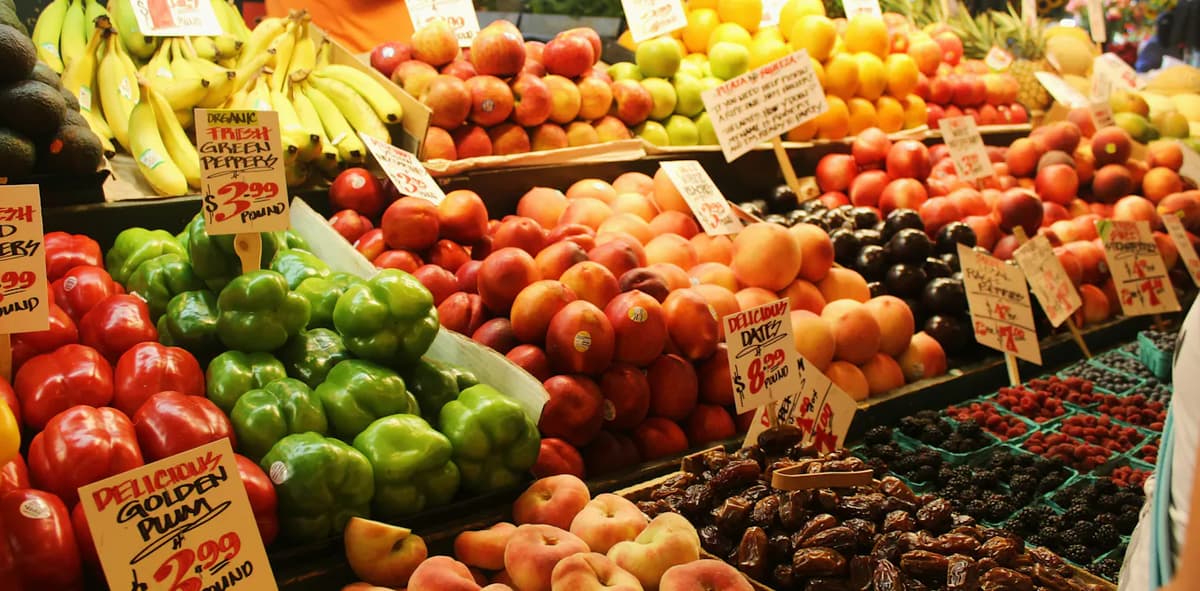
We Developed a Biodegradable Wash that Can Remove Pesticides and Keep Fruit Fresh Longer
Why It Matters
Combining pesticide removal with freshness preservation tackles two major sources of produce waste, potentially reducing the global 25% loss of fruits and vegetables and improving consumer safety.
Key Takeaways
- •Biodegradable wash removes 85‑93% of surface pesticide residues.
- •Thin starch‑tannic‑iron film cuts grape weight loss by half.
- •Production cost estimated under $0.032 per apple, scalable for processors.
- •Extends visual appeal, potentially lowering consumer food waste rates.
- •Still requires regulatory approval before household use.
Pulse Analysis
The fresh‑produce supply chain loses roughly one quarter of its volume each year, a loss driven by spoilage, visual degradation, and consumer hesitation over pesticide residues. While the U.S. Food and Drug Administration advises a simple rinse under running water, that approach leaves many residues untouched and does little to slow dehydration. Retailers and processors therefore face a dual challenge: ensuring safety while preserving the appearance that drives purchase decisions. A solution that tackles both problems could reshape post‑harvest handling standards worldwide.
The University of British Columbia team engineered a biodegradable wash from starch nanoparticles, tannic acid and iron ions. The starch forms a film matrix, tannic acid binds pesticide molecules, and iron cross‑links the network, creating a thin, breathable coating during rinsing. Laboratory tests on apples showed removal of 85 % of thiabendazole, 93 % of acetamiprid and 89 % of imidacloprid—far outperforming tap water, baking soda or native starch alone. Simultaneously, treated grapes lost only 21 % of weight over 15 days versus 45 % for untreated fruit, and apple slices retained moisture twice as long.
Cost analysis puts the raw‑material expense at under $0.032 per apple, making large‑scale adoption feasible for post‑harvest facilities that can control wash concentration and water reclamation. The researchers envision a two‑stage rollout: first integrating the formulation into commercial washing lines, then developing a consumer‑grade spray for home kitchens pending safety certification. If regulatory hurdles are cleared, the technology could extend shelf life, reduce visual waste, and lower pesticide exposure, delivering measurable savings for retailers and contributing to global food‑security goals by cutting the 25 % produce waste rate.
We developed a biodegradable wash that can remove pesticides and keep fruit fresh longer
Comments
Want to join the conversation?
Loading comments...