Weak Regional Governance Threatening Marine Biodiversity, Fisheries in Southwest Atlantic Amid Climate Shifts
Why It Matters
Without coordinated governance, the Southwest Atlantic faces escalating IUU pressure and climate‑driven stock displacement, jeopardizing a multi‑billion‑dollar fishery and regional food security.
Key Takeaways
- •900,000 jobs depend on Southwest Atlantic fisheries.
- •No regional governance body exists since CARPAS dissolved in 1990s.
- •IUU fishing rises as vessels reflag to domestic registries.
- •Climate warming shifts tuna and sardine ranges southward.
Pulse Analysis
The Southwest Atlantic Ocean, classified by the FAO as Major Fishing Area 41, underpins a $5 billion economic engine and employs nearly a million workers across Brazil, Uruguay and Argentina. Yet the region operates without a unified regulatory framework since the disbanding of the Regional Fisheries Advisory Commission (CARPAS) in the 1990s. This governance vacuum hampers systematic data collection, allowing distant‑water fleets to exploit squid and tuna stocks with minimal oversight. The result is a surge in illegal, unreported, and unregulated (IUU) fishing, especially as vessels reflag to domestic registries to dodge port inspections, eroding the sustainability of a critical food source.
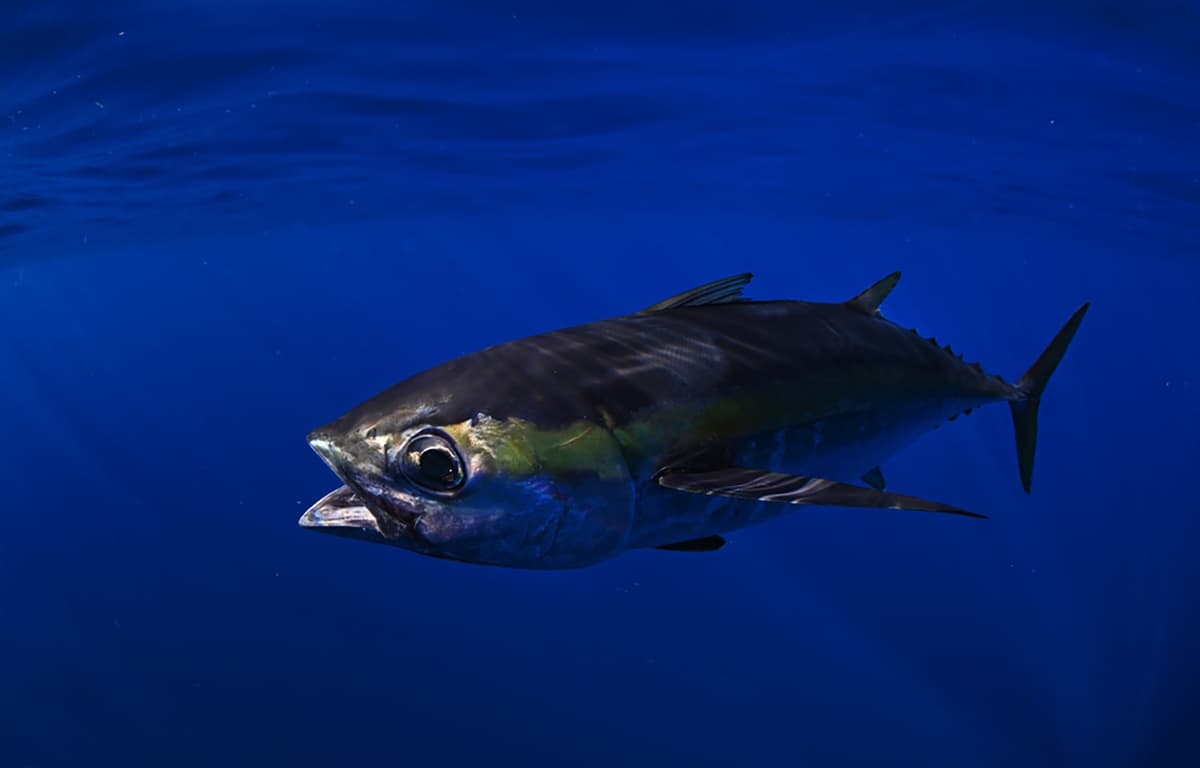
Compounding the governance crisis, rising sea temperatures are reshaping the Atlantic’s biogeography. Species such as blackfin tuna and Brazilian sardine have already expanded their ranges toward the southern pole, while traditional temperate stocks like Argentine hake risk retreating from historic grounds. These distributional shifts create new shared stocks and increase the likelihood of cross‑border competition, intensifying the need for coordinated management. The rapid “tropicalization” of catches threatens to alter market dynamics, affect local livelihoods, and challenge existing quotas designed for a different ecological baseline.
Policymakers now have a narrow window to forge collaborative solutions before ecological and economic losses become irreversible. The study proposes a low‑threshold data‑exchange platform modeled on the Nauru Agreement, enabling Brazil, Uruguay and Argentina to align scientific assessments and management measures without establishing a formal treaty. Strengthening Uruguay’s implementation of the Port State Measures Agreement, expanding it to neighboring ports, and creating joint monitoring initiatives could curb IUU activity. As climate negotiations like COP30 and the High‑Seas Treaty summit draw global attention, the Southwest Atlantic stands at a pivotal moment where regional cooperation could safeguard its biodiversity and the billions of dollars it generates.
Weak regional governance threatening marine biodiversity, fisheries in Southwest Atlantic amid climate shifts
Comments
Want to join the conversation?
Loading comments...