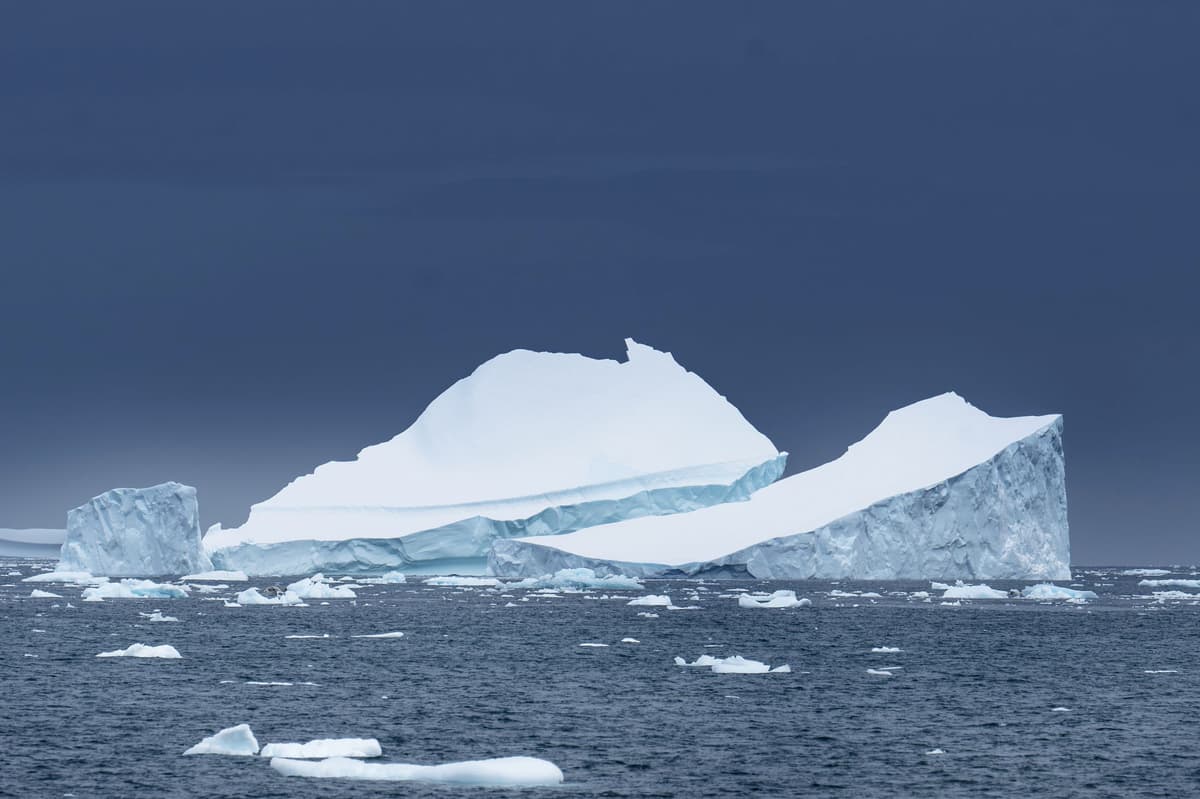
Why It Matters
The dramatic sea‑ice retreat amplifies ecosystem stress and adds to the meltwater contributing to rising oceans, signaling heightened climate risk for coastal communities worldwide.
Key Takeaways
- •West Antarctic winter sea ice loss equals France’s land area.
- •Temperatures rose up to 45 °F above normal this winter.
- •Shoesmith Glacier recedes ~3 cm daily, accelerating ice loss.
- •Reduced sea ice threatens penguin colonies and marine food webs.
- •Accelerated melt could add centimeters to global sea level by 2100.
Pulse Analysis
The Antarctic Peninsula has long been a bellwether for climate change, but this winter’s anomaly in West Antarctica is unprecedented. Satellite observations show a temperature anomaly of up to 45 °F above the historical norm, effectively erasing the seasonal sea‑ice that normally blankets the region. This heat wave is not an isolated blip; it aligns with a multi‑year trend of warming ocean currents that destabilizes the fragile ice shelves and accelerates glacier flow, as evidenced by Shoesmith Glacier’s 3 cm‑per‑day retreat.
Ecologically, the loss of sea ice reverberates through the food chain. Ice‑dependent krill populations decline when the icy platform that nurtures phytoplankton disappears, jeopardizing the primary food source for penguins, seals, and whales. Penguin colonies, already stressed by habitat loss, face reduced breeding success and higher predation rates. Moreover, the diminished albedo effect—where bright ice reflects sunlight is replaced by darker ocean—feeds back into regional warming, creating a self‑reinforcing cycle that could hasten further ice loss.
From a global perspective, the added meltwater contributes directly to sea‑level rise, a critical concern for low‑lying coastal cities. Projections suggest that continued acceleration could add several centimeters to global sea levels by 2100, intensifying flood risks and prompting costly adaptation measures. Policymakers and scientists are therefore urging expanded monitoring networks and aggressive emissions reductions to curb the feedback loops that threaten both the Antarctic ecosystem and human settlements worldwide.
West Antarctica Is Missing Way Too Much Ice
Comments
Want to join the conversation?
Loading comments...