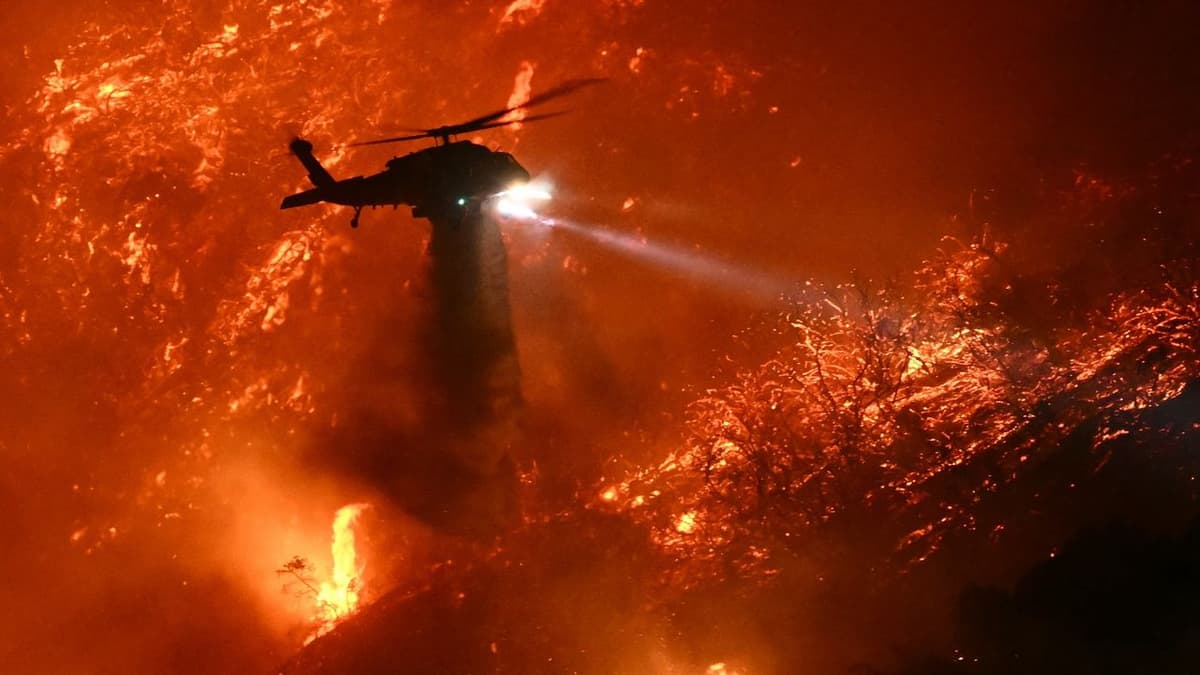
Western States Face Above-Normal Wildfire Threats This Summer. New Maps Reveal Which Areas Are Most at Risk.
Why It Matters
The expanding fire risk signals heightened climate‑driven hazards that could drive up suppression costs, disrupt economies, and threaten communities throughout the West.
Key Takeaways
- •Red fire‑risk zones now cover Southwest, Rockies, Pacific Northwest
- •Snowmelt in Four Corners occurred 4‑6 weeks earlier than historic
- •March saw record early 90°F reading in Albuquerque, March 21
- •Burned acres through March are 231% of 10‑year average
- •Suppression resources could be stretched if fires ignite simultaneously
Pulse Analysis
The updated fire‑risk maps from the National Interagency Coordination Center reflect a confluence of climate stressors that have accelerated the Western fire season. A lingering snow drought combined with rapid snowmelt—up to six weeks ahead of the historical norm—has left vegetation unusually dry. Coupled with an unprecedented March heat wave that pushed Albuquerque above 90°F weeks earlier than any prior record, the conditions mirror a climate‑change fingerprint that makes large‑scale ignitions more likely.
For fire managers, the forecast presents a logistical nightmare. Historically, crews rely on staggered fire occurrences to shift resources across hotspots. This year’s simultaneous red‑zone expansion threatens to overwhelm that model, potentially inflating federal and state firefighting budgets and increasing insurance premiums for affected communities. The 231% surge in burned acreage through March, relative to a decade average, underscores the urgency for pre‑positioned assets, inter‑agency coordination, and rapid‑deployment strategies to mitigate cascading impacts on infrastructure and air quality.
Looking ahead, the outlook hinges on short‑term weather patterns. A wet spell in the Southwest could temporarily dampen ignition risk, but long‑term resilience will require deeper investment in forest thinning, community defensible space, and climate‑adaptation policies. Policymakers are urged to prioritize funding for predictive modeling and to streamline emergency response frameworks. As July approaches—historically the peak ignition day—proactive measures will be critical to curb the economic and human toll of an increasingly volatile fire season.
Western states face above-normal wildfire threats this summer. New maps reveal which areas are most at risk.
Comments
Want to join the conversation?
Loading comments...