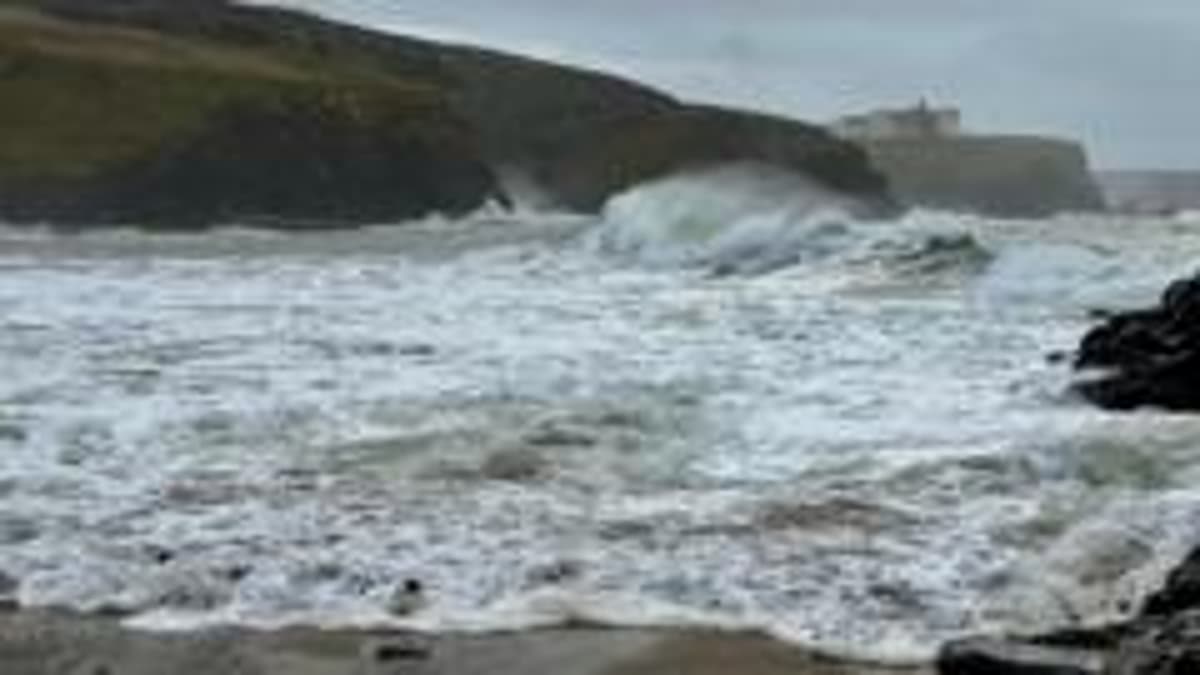
Wetter Winter and Warmer Summer Hit Marine Life
Why It Matters
The surge in sediment‑driven nutrients and pathogens can damage coastal ecosystems, undermine the shellfish industry and increase health risks for swimmers, highlighting the need for better real‑time monitoring as climate patterns shift.
Key Takeaways
- •Record winter rainfall in Cornwall caused massive freshwater and sediment plumes
- •Sediment carries nutrients, boosting toxic algal blooms and harming shellfish
- •Elevated E. coli levels detected after storms pose human health risks
- •Monitoring gaps hinder real‑time response despite improved overall water quality
Pulse Analysis
The UK’s southwest coast is feeling the first tangible marine impacts of a climate‑driven shift toward wetter winters and hotter summers. Record rainfall in Cornwall and Devon has generated extensive freshwater lenses that push far offshore, dragging sediment, agricultural runoff and sewage‑derived nutrients into the sea. These plumes not only block sunlight for seagrass and kelp but also create a fertile substrate for opportunistic algae, some of which produce toxins that can decimate shellfish beds and disrupt local fisheries.
Plymouth Marine Laboratory has turned to a suite of high‑tech tools—satellite imaging, autonomous drones and on‑site water sampling—to quantify the cascade of effects. Their data show spikes in bacterial counts, especially E. coli, immediately after heavy rain events, alongside surges in nutrient‑rich sediments that fuel spring algal blooms. Such conditions threaten both marine biodiversity and the tourism sector that relies on clean bathing waters. While the Environment Agency reports that roughly 98% of regional beaches meet high‑quality standards, the lingering presence of pathogens and harmful algae underscores a growing vulnerability in an otherwise improving water‑quality regime.
The broader implication is a call for more agile monitoring frameworks. Current weekly sampling provides valuable long‑term trends but falls short of delivering real‑time alerts needed to protect public health and commercial aquaculture. Investing in continuous sensor networks and rapid‑response testing could bridge this gap, offering policymakers a clearer picture of pollution sources and enabling quicker mitigation. As climate models predict continued precipitation extremes, the Southwest’s experience serves as a bellwether for coastal regions worldwide grappling with the intertwined challenges of climate change, water quality, and marine ecosystem resilience.
Wetter winter and warmer summer hit marine life
Comments
Want to join the conversation?
Loading comments...