What Are the Risks of Contracting West Nile Virus From a Mosquito in Canada?
Why It Matters
Accurate, geographically balanced surveillance is essential to protect Canadians enjoying outdoor activities and to prevent severe outcomes among vulnerable populations. Genomic tools can sharpen outbreak predictions, guiding public‑health interventions before infections surge.
Key Takeaways
- •West Nile cases rose to 47 in Canada 2022, 64% neuroinvasive
- •Rural mosquito habitats under‑monitored, skewing Ontario surveillance data
- •Genomic phylogeography can pinpoint virus spread and guide targeted sampling
- •Asian tiger mosquito expanding north, raising risk of new arboviruses
- •Only 20% infections symptomatic; vulnerable groups face 40% neuroinvasive risk
Pulse Analysis
Canada’s summer heat is reviving a familiar public‑health challenge: West Nile virus. While the country’s cold climate historically limited the most lethal mosquito‑borne diseases, recent detections—such as the crow in Guelph—signal a northward shift in viral activity. In 2022, 47 cases were officially recorded, yet the high proportion of neuroinvasive presentations (64%) hints that many mild infections slip past the diagnostic net. This under‑reporting is compounded by surveillance programs that prioritize urban sites after human cases appear, overlooking the rural and agricultural zones where the virus circulates between birds and mosquito vectors.
Climate change is accelerating the problem. Warmer temperatures enable tropical species like the Asian tiger mosquito to establish footholds across southern Canada, bringing with them a broader suite of arboviruses. Simultaneously, shifting bird migration patterns and extended breeding seasons create new pathways for viral amplification. Traditional field sampling struggles to keep pace, prompting scientists to turn to genomics. Phylogeographic analyses can trace viral lineages across landscapes, revealing how temperature gradients and habitat features drive spread. At a finer scale, landscape genetics links genetic similarity among virus isolates to specific environmental variables, pinpointing hotspots that merit intensified monitoring.
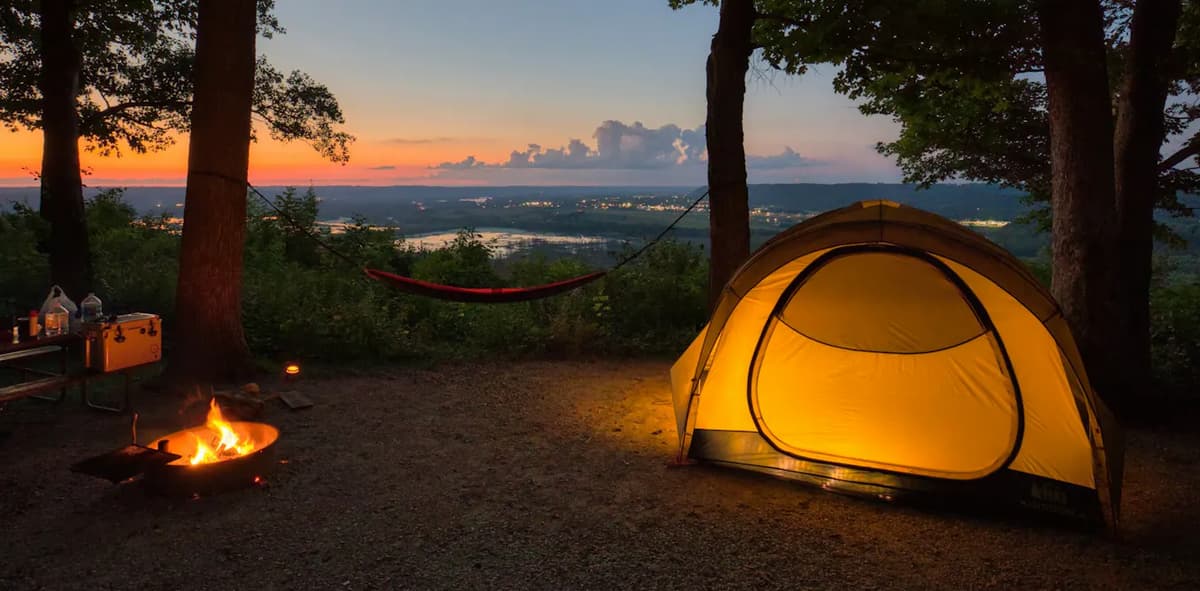
Integrating habitat‑targeted trapping with genomic insights offers a two‑pronged surveillance model. By mapping both mosquito abundance and viral genetic flow, public‑health agencies can allocate resources to high‑risk rural corridors before human cases emerge. This proactive stance not only safeguards campers and outdoor enthusiasts but also reduces the burden on healthcare systems by averting severe neuroinvasive outcomes. As Canada’s climate continues to warm, such forward‑looking strategies will be vital for staying ahead of mosquito‑borne threats.
What are the risks of contracting West Nile virus from a mosquito in Canada?
Comments
Want to join the conversation?
Loading comments...