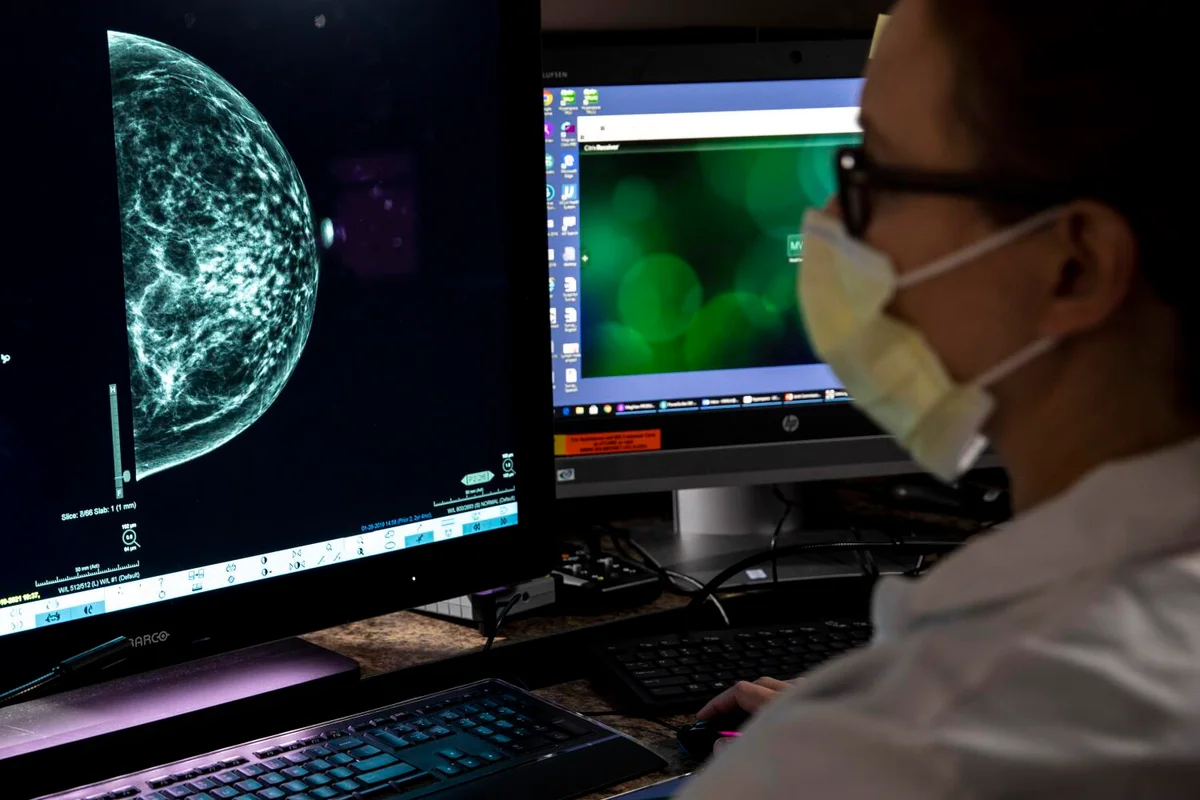
What COVID Is Teaching Doctors About the Relationship Between Viruses and Cancer
Why It Matters
These findings hint that viral infections could accelerate cancer relapse, raising stakes for post‑COVID monitoring and preventive vaccination among cancer survivors.
Key Takeaways
- •COVID infection linked to higher cancer recurrence in survivors
- •UK Biobank shows increased death from recurrent cancer post‑COVID
- •Breast cancer patients with COVID more likely to develop metastatic lung tumors
- •Cytokine storm, especially IL‑6, may reactivate dormant tumor cells
- •Researchers urge more study and vaccination to protect vulnerable patients
Pulse Analysis
The pandemic has inadvertently supplied researchers with a massive natural experiment on how acute viral infections interact with dormant malignancies. A 2022 study from James DeGregori’s lab at the University of Colorado showed that mice harboring quiescent breast‑cancer cells developed aggressive lung tumors after infection with either influenza or SARS‑CoV‑2. Parallel analyses of the UK Biobank and a U.S. breast‑cancer registry found that cancer survivors who contracted COVID‑19 in 2020 faced a markedly higher risk of cancer‑related death and metastatic lung spread. These epidemiologic signals, while not proof of causality, raise urgent questions for oncology.
Immunologists point to the cytokine storm that characterizes severe COVID‑19 as a plausible driver of tumor reawakening. Elevated interleukin‑6 (IL‑6) levels, documented in hospitalized COVID patients, have been linked to both metastatic progression and suppression of mitochondrial function—two hallmarks of aggressive cancer. DeGregori’s mouse work demonstrated that dormant breast‑cancer cells responded to IL‑6 by exiting dormancy and proliferating in the lungs. Similar pathways have been observed with other respiratory viruses, suggesting that excessive inflammatory signaling, rather than the virus itself, may tip the balance toward malignancy.
For clinicians, the emerging data underscore the importance of vigilant post‑COVID surveillance in cancer survivors, especially those with a history of hormone‑responsive breast tumors. Vaccination against SARS‑CoV‑2, influenza and other respiratory pathogens becomes a strategic tool not only for preventing infection but potentially for reducing relapse risk. Ongoing trials are probing IL‑6 inhibitors and mitochondrial protectors as adjuncts in high‑risk patients. As the scientific community gathers longer‑term outcomes, a clearer picture will inform guidelines that integrate viral‑infection risk management into standard oncology care.
What COVID is teaching doctors about the relationship between viruses and cancer
Comments
Want to join the conversation?
Loading comments...