Why It Matters
The specimen reshapes timelines for Temnodontosaurus persistence and offers rare insight into how injured marine reptiles adapted their feeding strategies, informing broader models of Jurassic marine ecosystems.
Key Takeaways
- •Fossil is a well-preserved Temnodontosaurus from Early Jurassic Germany
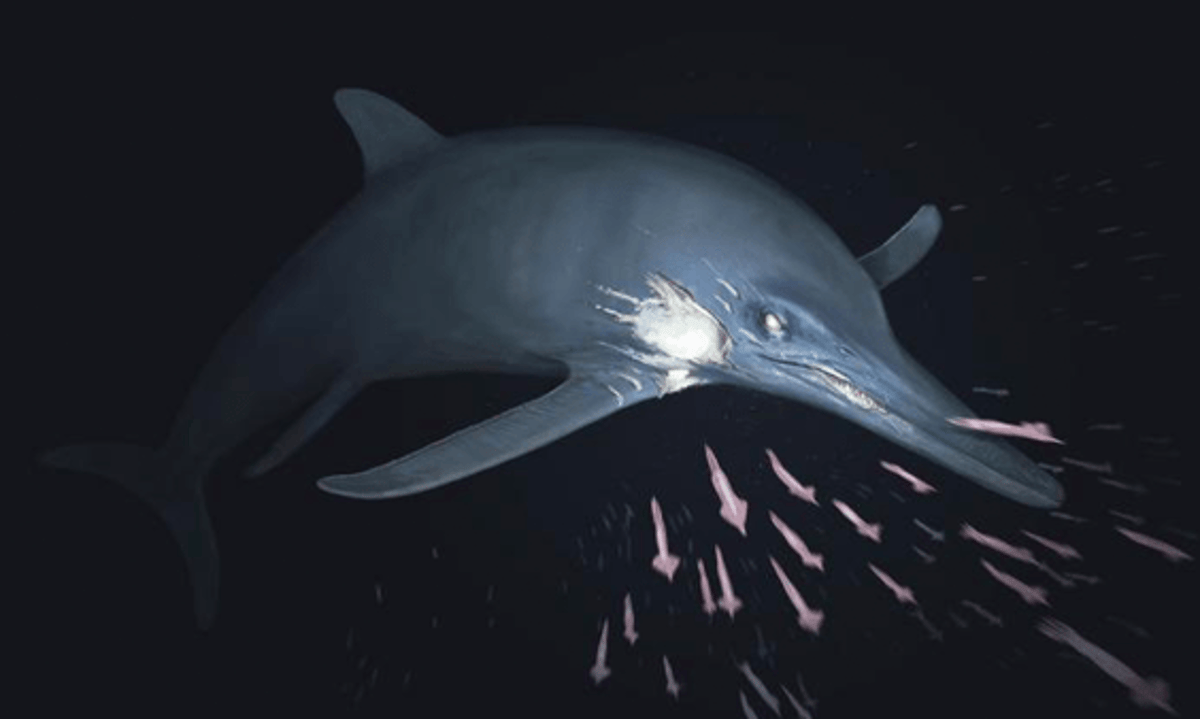
- •Shoulder and jaw deformations indicate severe, likely lifelong injuries
- •Presence of gastroliths suggests dietary adaptation after injury
- •Find extends known survival range of the genus in Southwest German Basin
Pulse Analysis
The discovery of a near‑complete Temnodontosaurus near Bayreuth underscores the value of meticulous excavation in fossil‑rich clay pits. Researchers from the Bavarian State Collections of Natural History documented an unprecedented level of anatomical detail, from the eye sockets to the fin structures, allowing scientists to place the specimen precisely within the genus and date it as one of the youngest known examples. Such preservation not only enriches the fossil record but also provides a rare window into the morphology of early Jurassic marine reptiles.
Beyond its anatomical completeness, the specimen tells a compelling story of survival. Deformations in the shoulder and jaw joints point to severe injuries that would have limited the ichthyosaur’s ability to capture agile prey. Yet the animal’s heavily worn teeth and the unexpected presence of gastroliths—pebbles used to grind food—suggest it adapted by shifting to a diet requiring less reliance on powerful bites. This behavioral flexibility, inferred from the fossil, offers a tangible example of how ancient predators could modify feeding strategies in response to physical constraints.
The broader implications extend to our understanding of ichthyosaur evolution and Jurassic marine ecosystems. By pushing the documented survival range of Temnodontosaurus further into the Early Jurassic, the find challenges previous assumptions about the timing of their decline in the German Basin. It also highlights the ecological role of gastroliths, a feature rarely observed in ichthyosaurs, prompting new questions about their dietary breadth and niche occupation. Future research can leverage this specimen to refine phylogenetic models and explore how injury and adaptation shaped the evolutionary trajectories of marine reptiles.
What Hurt This Jurassic Sea Monster?
Comments
Want to join the conversation?
Loading comments...