Why It Matters
Understanding how distributed neural circuits generate coordinated movement can reshape fundamental neuroscience and inspire decentralized control strategies in robotics. Advances in leech research could bridge gaps between simple invertebrate models and complex vertebrate motor systems.
Key Takeaways
- •Leeches have 21 identical ganglia enabling segment‑by‑segment study
- •Individual ganglia generate rhythmic motor patterns without brain input
- •Coordination arises from bidirectional signaling between anterior and posterior ganglia
- •Lack of genetic tools hampers calcium imaging and advanced manipulation
- •Insights could inform bio‑inspired robotics and distributed neural networks
Pulse Analysis
Leeches have long occupied a niche in neurobiology because their segmented nervous system offers unparalleled access to individual neural circuits. Each of the 21 mid‑body ganglia contains large, identifiable motor and sensory neurons, making electrophysiological recordings straightforward. This anatomical simplicity contrasts sharply with the dense, genetically complex brains of vertebrates, allowing scientists to isolate the contributions of single segments to whole‑body locomotion. Historically, leech preparations have illuminated basic principles of synaptic transmission and central pattern generation, laying groundwork for modern circuit‑level investigations.
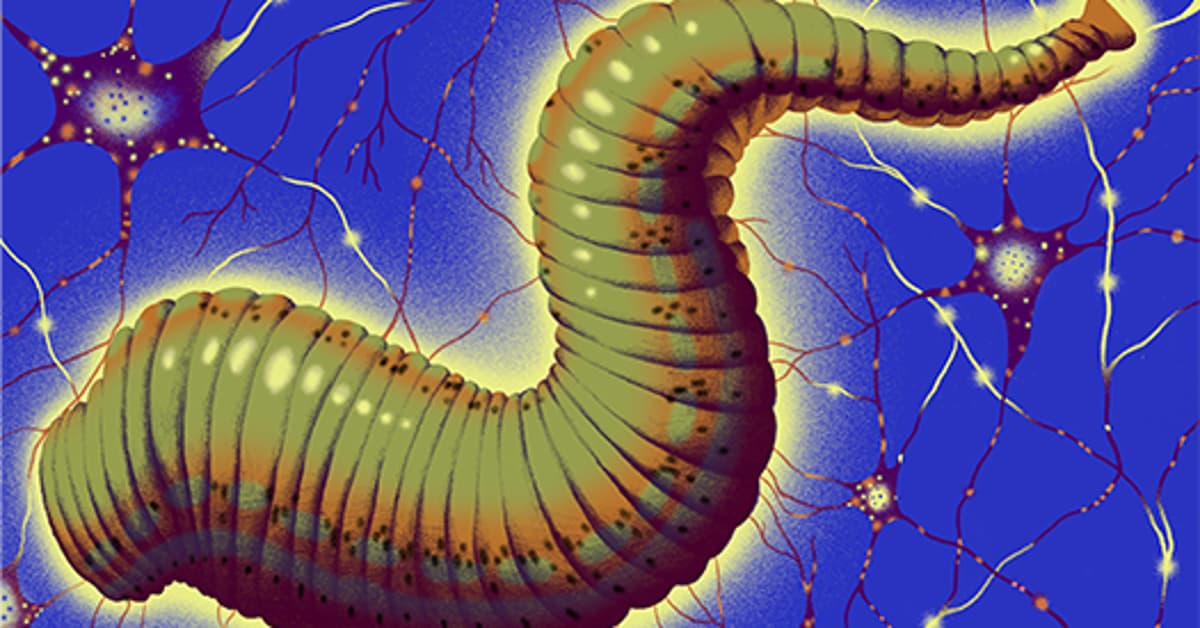
Szczupak’s recent experiments extend that legacy by demonstrating that leech locomotion is orchestrated through a decentralized network. Even when isolated from the brain, a single ganglion can produce rhythmic motor bursts, and neighboring ganglia exchange inhibitory and excitatory signals to synchronize crawling. This bidirectional communication mirrors emerging concepts in distributed computing, where local nodes coordinate without a central controller. The findings suggest that vertebrate motor control, often attributed to higher brain regions, may also rely on robust segmental interactions, offering fresh perspectives on spinal cord injury recovery and prosthetic integration.
Despite these scientific gains, the leech community faces a critical bottleneck: the absence of scalable genetic tools. Unlike Drosophila or zebrafish, leech embryos cannot be cultured ex vivo, limiting the introduction of calcium sensors or optogenetic actuators. Overcoming this hurdle would unlock real‑time imaging of network dynamics and enable precise manipulation of identified neurons. Such capabilities could accelerate the translation of leech‑derived principles into bio‑inspired robotics, where modular, self‑organizing control systems are prized. Investing in leech genetic engineering therefore promises to deepen our grasp of neural coordination while fueling interdisciplinary innovation.
What leeches reveal about movement
Comments
Want to join the conversation?
Loading comments...