Why It Matters
Understanding the Moon’s intermittent dynamo reshapes planetary magnetic‑field theory and guides future lunar sample strategies, directly influencing Artemis mission planning and broader geoscience research.
Key Takeaways
- •High‑titanium basalts show strong magnetisation.
- •Low‑titanium rocks indicate weak lunar magnetic field.
- •Brief dynamo spikes lasted up to 5,000 years.
- •Apollo samples biased toward titanium‑rich mare regions.
- •Artemis can target diverse sites to test model.
Pulse Analysis
The debate over the Moon’s magnetic past has lingered for decades, pitting magnetised Apollo samples against models that predict a feeble lunar dynamo due to the satellite’s diminutive core. Traditional interpretations assumed a sustained, Earth‑like field, while theorists argued the core could not sustain such strength. This uncertainty has broader implications for how scientists reconstruct planetary evolution, as magnetic fields protect atmospheres and influence surface chemistry. By revisiting the original basalts with modern analytical tools, researchers have uncovered a hidden variable that clarifies the contradictory evidence.
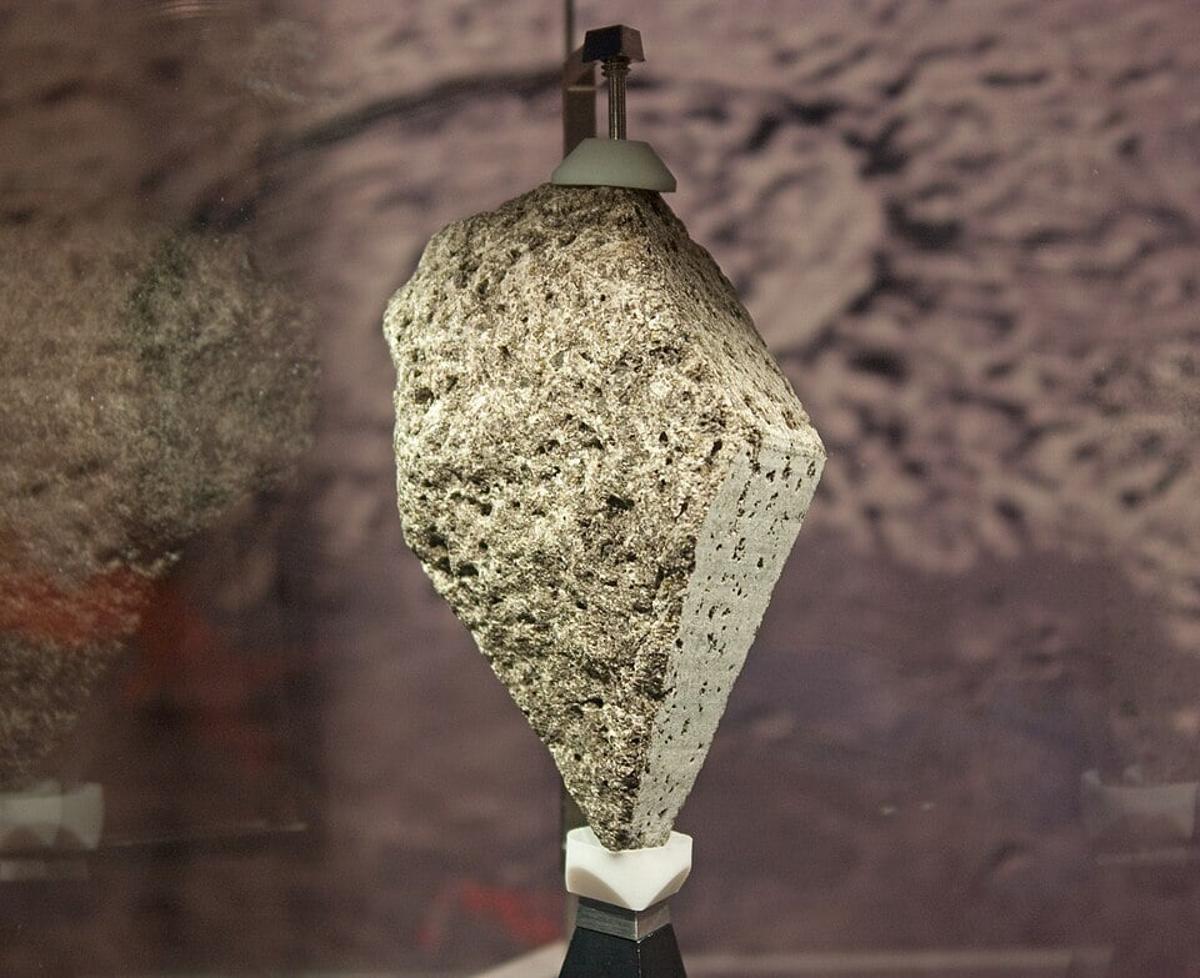
The Oxford team’s breakthrough hinges on a simple compositional metric: titanium concentration. Every sample exceeding roughly six percent titanium exhibited strong remanent magnetisation, whereas lower‑titanium specimens recorded only weak fields. The researchers propose that melting of titanium‑rich material at the core‑mantle boundary temporarily super‑charged the lunar dynamo, generating fields that may have outstripped Earth’s for brief intervals of decades to millennia. This episodic dynamo model reconciles the high‑magnetisation of certain mare basalts with the overall weak magnetic signature expected from a small core, offering a nuanced view of lunar interior processes and thermal evolution.
For upcoming Artemis missions, the study provides a practical roadmap. By selecting landing sites beyond the titanium‑rich mare—such as highland terrains and polar regions—astronauts can acquire a more representative suite of samples to test the Oxford hypothesis. The ability to predict which rock types preserve specific magnetic records will sharpen scientific returns and reduce sampling bias. Moreover, the findings inform comparative planetology, suggesting that other small bodies might experience similar short‑lived dynamo events, a concept that could reshape models of early Earth, Mars, and exoplanet magnetic histories.
What the Moon Rocks Were Hiding
0
Comments
Want to join the conversation?
Loading comments...