What the Record-Low Snowpacks Mean for Fish and Wildlife in the West
Why It Matters
The snowpack collapse jeopardizes western ecosystems, water supplies and multi‑billion‑dollar outdoor recreation economies, prompting urgent management actions.
Key Takeaways
- •Western U.S. snowpack 65% below 1991‑2020 average
- •Elk and mule deer show high winter survival rates
- •Cold‑water trout face warming, low flows, reduced spawning
- •Upland birds risk habitat loss, disease from concentrated wetlands
- •Managers may increase harvest to curb overpopulation in drought
Pulse Analysis
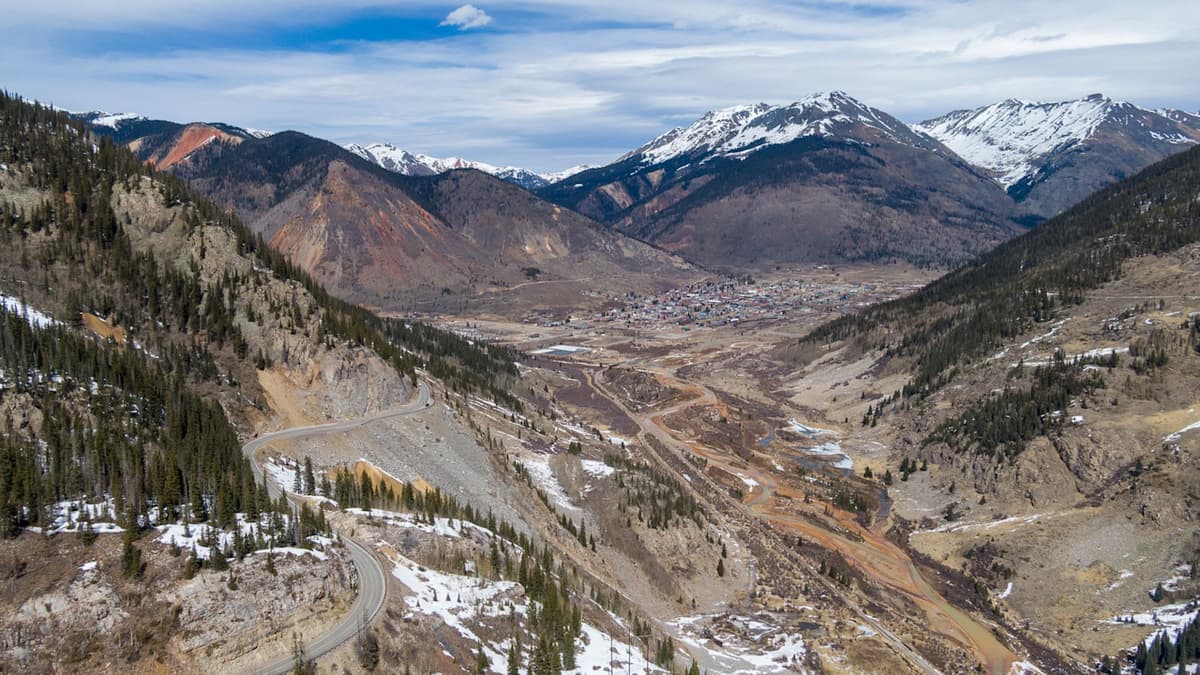
The 2026 snowpack deficit marks a stark inflection point for the American West, where climate models have long warned of diminishing winter precipitation. With SNOTEL data confirming a 65% shortfall from the 1991‑2020 norm, the region is experiencing its lowest snow accumulation since the early 1980s. This shortfall not only reduces immediate water storage but also accelerates spring melt, reshaping river flows and groundwater recharge patterns that underpin agriculture, municipal supplies, and ecosystem health.
Ecologically, the ripple effects are profound. While elk and mule deer benefited from milder conditions, preserving adult and fawn survival, the rapid loss of snow threatens summer forage, potentially curbing antler development and increasing competition for limited vegetation. Cold‑water fish such as trout and salmon are especially vulnerable; higher water temperatures reduce metabolic efficiency, elevate disease risk, and disrupt critical spawning cues. Concentrated fish populations heighten angling pressure, amplifying mortality rates. Simultaneously, upland and waterfowl birds face dwindling riparian habitats, with reduced invertebrate food sources and heightened disease exposure, notably avian botulism in crowded wetlands.
Resource managers are already adapting. In drought‑stricken basins, agencies may authorize higher harvest quotas to prevent overgrazing and habitat degradation, while conservation groups advocate for meadow restoration to bolster headwater streams. Anglers and hunters are urged to consult local experts for viable locations, as some alpine tailwaters retain sufficient flow. Long‑term, the trend underscores the need for integrated water‑rights reforms and climate‑resilient infrastructure to sustain the West’s wildlife, recreation industry, and the economies that depend on them.
What the Record-Low Snowpacks Mean for Fish and Wildlife in the West
Comments
Want to join the conversation?
Loading comments...