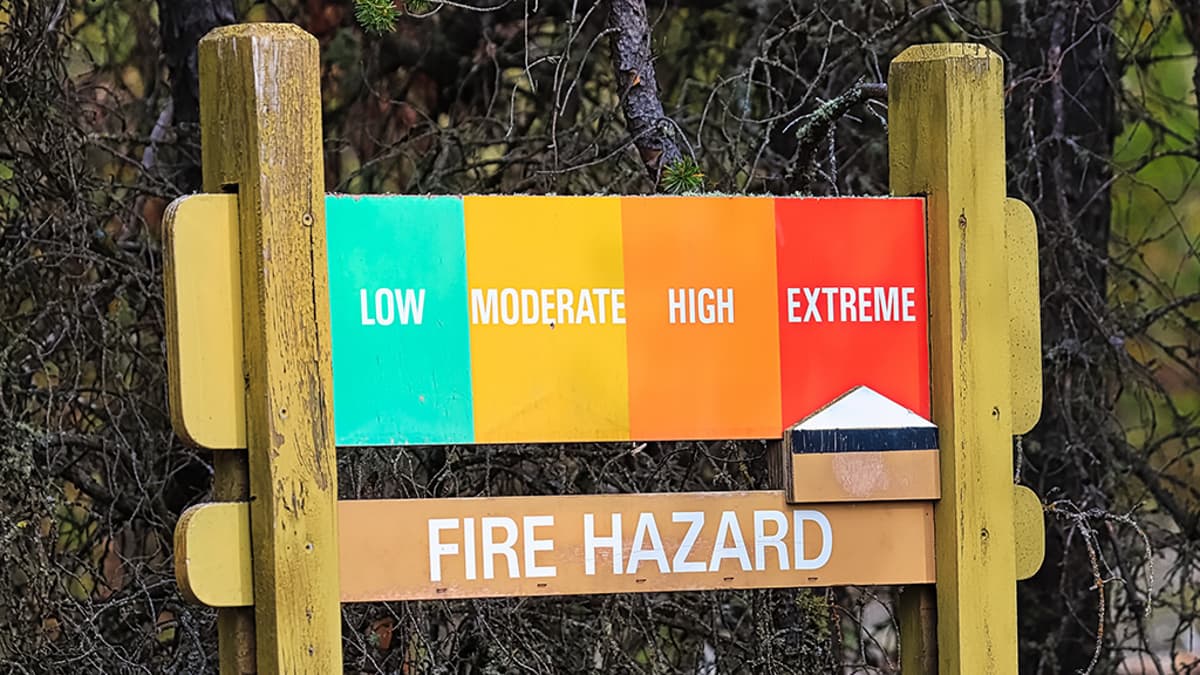
What’s in Store for Canada’s 2026 Wildfire Season?
Why It Matters
The outlook signals heightened risk for communities, health systems and carbon budgets, underscoring the urgency of climate mitigation and improved fire‑management strategies across Canada.
Key Takeaways
- •Three consecutive severe fire years precede 2026 season
- •El Niño expected to amplify summer heat and dryness
- •Northern snowpack provides temporary mitigation, but fuels remain abundant
- •2023 wildfires emitted more carbon than most countries, intensifying climate feedback
Pulse Analysis
Canada’s 2026 wildfire outlook reflects a precarious balance between lingering drought conditions and a lingering snowpack that could temper early‑season activity. While the winter’s deep snow in the northern territories offers a short‑lived buffer, experts like Mike Flannigan warn that the nation’s fire regime is shifting toward a baseline of frequent, high‑intensity events. The convergence of an El Niño pattern and historically low precipitation in key hotspots—southern British Columbia, Alberta, and parts of the Northwest Territories—creates a volatile fuel load that could ignite as temperatures climb in June and July.
The health and economic stakes are stark. A Health Canada assessment linked 2023 smoke exposure to roughly 400 acute and 5,400 chronic premature deaths, translating into billions of dollars in medical costs and lost productivity. Beyond direct fatalities, the psychological toll on evacuees—manifested in elevated post‑traumatic stress rates—adds a hidden burden to communities repeatedly displaced by flames. These impacts reinforce the broader climate feedback loop: as forests release stored carbon, atmospheric warming intensifies, further drying vegetation and extending fire seasons.
Policy makers and fire‑management agencies must adapt to this new reality. Investments in early‑detection technologies, cross‑jurisdictional coordination, and public education on fire‑safe practices are essential to curb ignition sources, such as abandoned campfires highlighted by Alberta Wildfire officials. Simultaneously, integrating climate‑resilient forestry practices can reduce fuel loads and improve carbon sequestration. As Canada confronts an increasingly hostile fire environment, the 2026 season serves as a litmus test for the effectiveness of these mitigation strategies and the nation’s broader climate resilience agenda.
What’s in store for Canada’s 2026 wildfire season?
Comments
Want to join the conversation?
Loading comments...