What’s New World Vs. Old World Hantavirus? What Experts Want You to Know About the Virus Suspected of Killing 3 Cruise Passengers
Why It Matters
The outbreak highlights the need for rigorous rodent control on cruise ships and clarifies that, despite a high case‑fatality rate for New‑World hantavirus, the risk of a pandemic is minimal.
Key Takeaways
- •Three cruise passengers died; one hantavirus case confirmed alive.
- •New‑World hantavirus likely due to higher pulmonary complications observed.
- •Person‑to‑person spread rare; only Andes virus shows limited transmission.
- •Experts say outbreak poses no public‑health threat beyond the ship.
- •Rodent exposure on land more probable than ship‑borne contamination.
Pulse Analysis
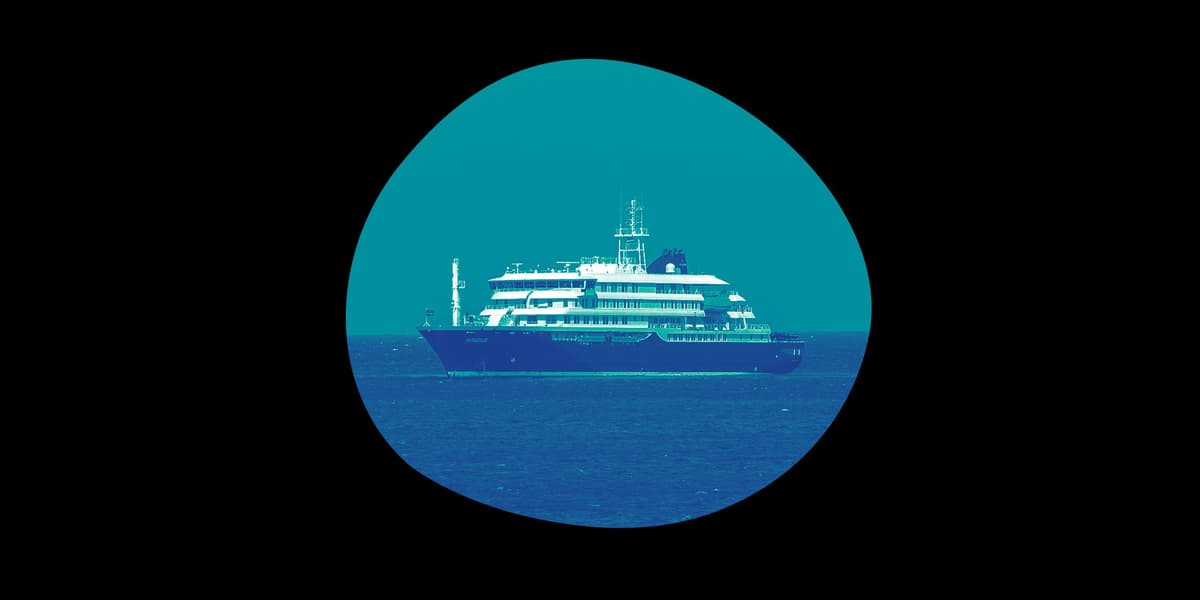
The MV Hondius incident has thrust a rare zoonotic disease into the spotlight, underscoring how quickly an isolated health event can attract global attention. While three deaths were reported, only a single hantavirus infection has been confirmed by the CDC, involving a British passenger now receiving intensive care in South Africa. The ship’s inability to dock in Cape Verde has amplified concerns, but health officials emphasize that the virus’s primary reservoir remains rodents, not humans, and that containment measures are already in place.
Hantavirus exists in two distinct lineages: Old‑World strains, endemic to Europe and Asia, typically cause hemorrhagic fever with renal involvement, whereas New‑World strains, first identified in the Americas, trigger severe pulmonary syndrome and carry a mortality rate up to 50 percent. The clinical picture aboard the cruise—respiratory distress and rapid deterioration—suggests a New‑World variant, though definitive typing awaits laboratory confirmation. Person‑to‑person transmission is exceedingly rare, limited to the Andes virus, and the consensus among infectious‑disease specialists is that the current outbreak does not threaten the wider public.
For the cruise industry, the episode serves as a reminder to tighten pest‑management protocols and enhance onboard medical surveillance. Regulatory bodies are likely to scrutinize sanitation standards, especially in ports of call where passengers may encounter rodent‑infested environments. While the immediate risk to travelers is low, ongoing monitoring and transparent reporting will be essential to prevent misinformation and maintain confidence in maritime tourism. The situation also reinforces the importance of rapid diagnostic capacity and coordinated international response when confronting emerging infectious threats.
What’s New World vs. Old World Hantavirus? What Experts Want You to Know About the Virus Suspected of Killing 3 Cruise Passengers
Comments
Want to join the conversation?
Loading comments...