Why It Matters
Redefining extinct volcanoes is critical for accurate hazard assessment and protecting communities living near seemingly dormant volcanic regions.
Key Takeaways
- •Methane volcano showed 100,000‑year quiet period with magma accumulation
- •Researchers dated 1,250 zircon crystals spanning 700,000 years
- •Water‑rich magma slowed crystallization, sealing the volcano temporarily
- •Similar “extinct” subduction‑zone volcanoes may pose hidden hazards
- •Calls for redefining active, dormant, extinct categories and monitoring
Pulse Analysis
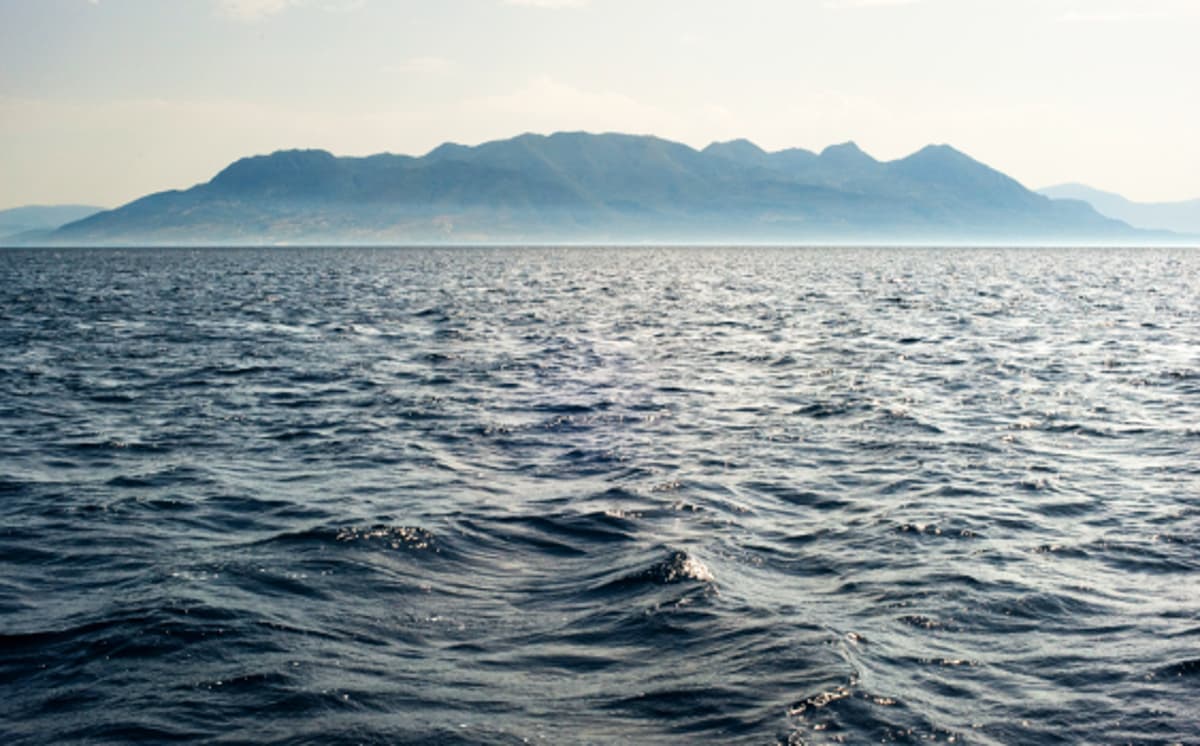
Volcanoes have long been sorted into active, dormant or extinct based on eruption history, with a 10,000‑year silence traditionally marking the latter. A new study of Greece’s Methana volcano upends that rule. By reconstructing a 700,000‑year record, researchers found a 100,000‑year interval during which the volcano appeared dead while magma silently pooled beneath the surface. The last eruption, roughly 2,200 years ago, occurred close to the densely populated Athens region, highlighting the potential risk of overlooking such “quiet” systems.
The team anchored their timeline to 1,250 zircon crystals harvested from successive lava flows, each crystal preserving temperature and water content at the moment of formation. Analysis revealed that during the prolonged lull, zircon growth peaked, indicating intense, water‑rich magma influx that crystallized rapidly and formed a solid lid, throttling eruption potential. This process is characteristic of subduction‑zone volcanoes, where a sinking oceanic plate releases fluids that melt mantle rock, creating the wet primitive magma that can accumulate for millennia.
If dozens of volcanoes across Greece, Italy, Indonesia, the Philippines, the Americas and Japan share Methana’s hidden magma chambers, the current monitoring regime—largely focused on historically active sites—may miss emerging threats. Recent unrest at Iran’s Taftan and Ethiopia’s Hayli Gubbi, both previously deemed extinct, underscores the urgency of revisiting classification criteria. Scientists like Razvan‑Gabriel Popa advocate a systematic reassessment and the deployment of remote sensing and seismic networks to track sub‑surface magma, a step that could protect millions living near these “sleeping” giants.
When “Extinct” Volcanoes Reawaken
Comments
Want to join the conversation?
Loading comments...