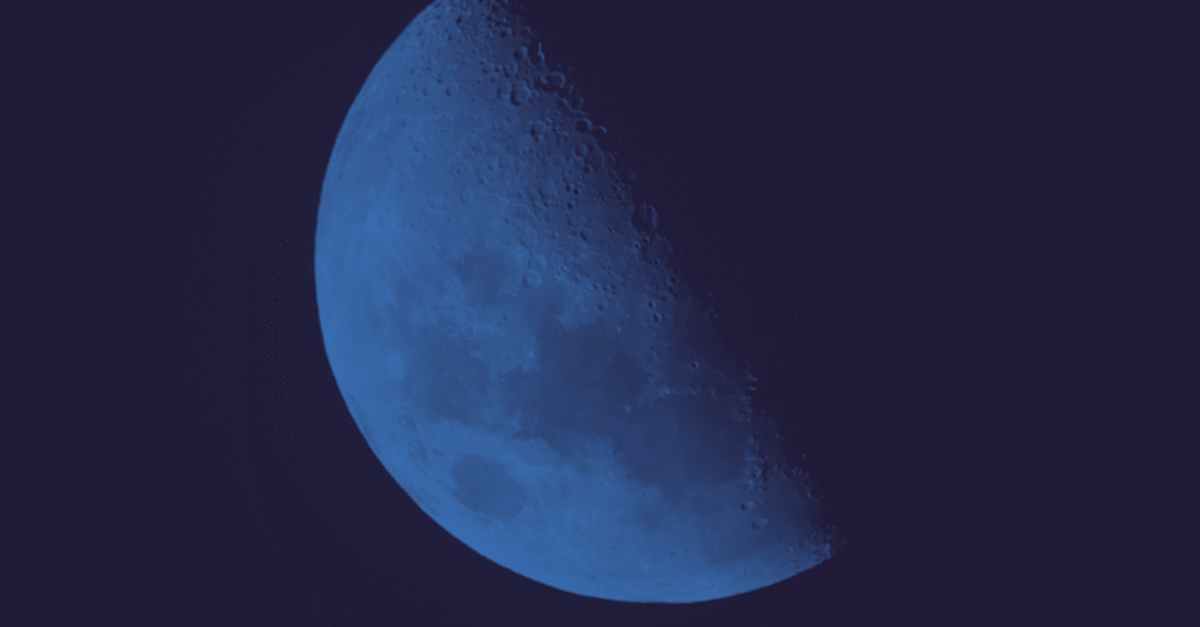
When It Comes to the Moon, We’ve only Scratched the Surface
Why It Matters
Artemis II validates the hardware and crew capabilities needed for a sustainable lunar presence, accelerating the timeline for a permanent U.S. foothold and opening new commercial markets.
Key Takeaways
- •Artemis II completed a 10‑day lunar flyby and splashdown
- •Mission included first woman and first non‑U.S. citizen on a lunar flight
- •NASA targets a crewed Moon landing by 2028, ending 56‑year gap
- •Commercial partners view Artemis as catalyst for lunar mining and tourism
Pulse Analysis
The Artemis II mission, launched aboard NASA’s Orion capsule, spent ten days circling the Moon before splashing down in the Pacific. Its crew—featuring the first female astronaut to travel beyond low‑Earth orbit and the first non‑American to join a lunar mission—tested critical navigation, communications, and re‑entry systems. By successfully executing a high‑speed lunar flyby, the flight proved Orion’s deep‑space readiness and set a performance benchmark for the upcoming Artemis III landing.
Beyond the technical triumph, Artemis II signals a shift toward a commercial lunar economy. Companies such as SpaceX, Blue Origin, and several emerging lunar‑resource firms have secured contracts to provide launch services, lander technology, and in‑situ resource extraction capabilities. The program’s 2028 landing target aligns with a broader industry roadmap that envisions mining of water ice, manufacturing of propellant, and even tourism ventures on the Moon’s surface. This partnership model reduces government cost burdens while fostering a new supply chain that could extend to Mars and beyond.
Culturally, the mission rekindles humanity’s age‑old curiosity about the Moon, offering fresh narratives that blend scientific discovery with personal stories of the crew. As public interest surges, policymakers are pressured to allocate sustained funding, ensuring the Artemis program remains on track. The next few years will determine whether the Moon becomes a stepping stone for deeper space exploration or a standalone commercial frontier, shaping the strategic direction of the global space industry.
When it comes to the Moon, we’ve only scratched the surface
Comments
Want to join the conversation?
Loading comments...