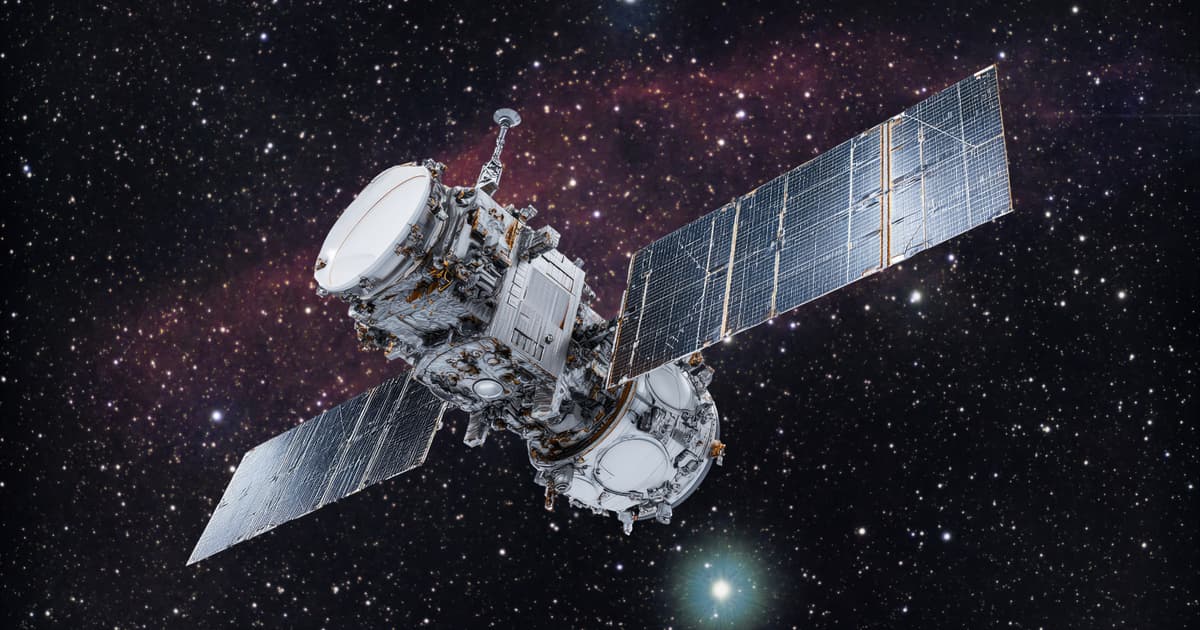
When Rosetta Sniffed the Gas Around Comet 67P, It Found a Cloud that Would Have Smelled of Rotten Eggs, Ammonia and Bitter Almonds — and Hidden in that Cosmic Stink Were some of the Chemical Ingredients that May Have Helped Life Begin on Earth
Why It Matters
The presence of glycine, phosphorus and amine precursors on 67P provides direct evidence that comets can transport prebiotic chemistry across the solar system, informing models of how Earth acquired the raw ingredients for life.
Key Takeaways
- •Rosetta’s ROSINA detected glycine, phosphorus, methylamine, ethylamine in comet 67P.
- •Detected compounds are trace; bulk coma is water, CO2, CO.
- •First unambiguous in‑situ glycine detection, unlike Stardust’s ambiguous samples.
- •Findings support delivery of prebiotic molecules to early Earth, not life proof.
Pulse Analysis
The European Space Agency’s Rosetta orbiter spent two years in close proximity to comet 67P/Churyumov‑Gerasimenko, using the ROSINA (Rosetta Orbiter Spectrometer for Ion and Neutral Analysis) suite to sniff the thin coma that surrounds the nucleus. By separating ions by mass, ROSINA identified a suite of volatile compounds that would smell like rotten eggs, ammonia and bitter almonds if they were present at human‑detectable concentrations. More importantly, the instrument recorded the amino acid glycine, the essential element phosphorus, and the simple amines methylamine and ethylamine—molecules that play direct roles in protein and nucleic‑acid chemistry.
These detections are the first unambiguous, in‑situ measurements of such prebiotic molecules on a comet, surpassing earlier hints from NASA’s Stardust sample‑return mission, which suffered from possible terrestrial contamination. The timing of the peaks—near the comet’s perihelion when solar heating releases icy grains—suggests that the organics were trapped in the comet’s primordial ice and liberated as the body warmed. This supports long‑standing theories that cometary and asteroidal impacts could have seeded the early Earth with the molecular precursors needed for life, although the gap between raw ingredients and living cells remains vast.
Rosetta’s findings have reshaped the astrobiology roadmap, prompting renewed interest in missions that can directly sample cometary material or return it to Earth with pristine containment. Future probes such as ESA’s Comet Interceptor and NASA’s proposed Cryo‑Sample Return aim to map the distribution of organics across different comet families, testing whether 67P is typical or an outlier. While the comet’s chemistry does not prove a comet‑borne origin of life, it confirms that the solar system’s building blocks are widespread, keeping the question of life's beginnings firmly open.
When Rosetta sniffed the gas around Comet 67P, it found a cloud that would have smelled of rotten eggs, ammonia and bitter almonds — and hidden in that cosmic stink were some of the chemical ingredients that may have helped life begin on Earth
Comments
Want to join the conversation?
Loading comments...