Why It Matters
The discovery reshapes understanding of how asexual lineages can persist, opening new avenues for evolutionary theory and practical applications in breeding and disease research.
Key Takeaways
- •Gene conversion repairs DNA in Amazon molly.
- •Long‑read sequencing proved differing mutation rates in parental genomes.
- •Asexual fish maintains genetic health for >100,000 years.
- •Findings challenge belief that asexuality leads to extinction.
- •May inform breeding and disease‑research across species.
Pulse Analysis
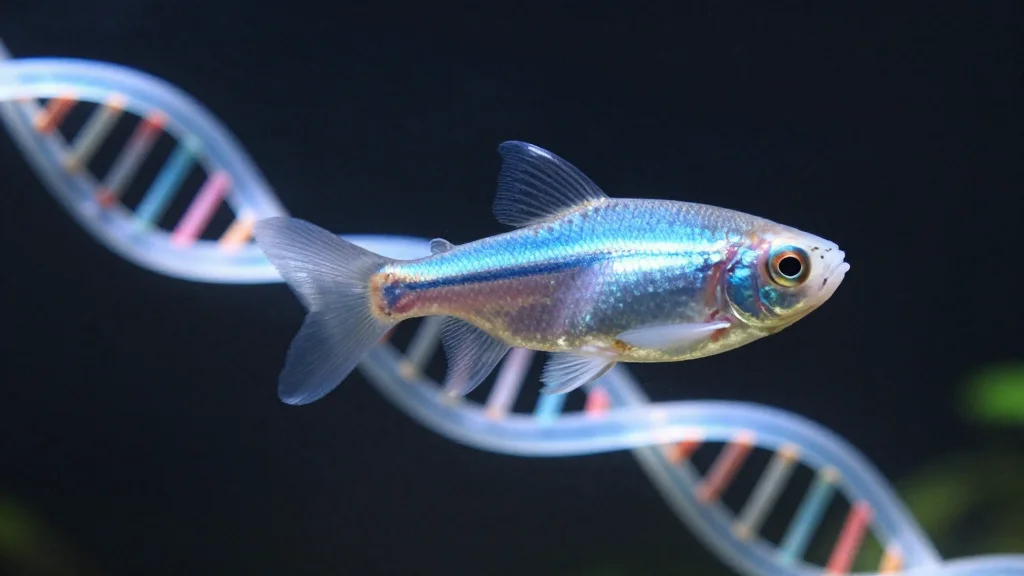
The Amazon molly (Poecilia formosa) has long puzzled biologists because, unlike most asexual vertebrates, it thrives despite the presumed genetic pitfalls of cloning. By applying long‑read sequencing, researchers at the University of Missouri captured the fish’s dual‑parent genome in unprecedented detail and observed a steady stream of gene‑conversion events that overwrite deleterious mutations. This molecular “clean‑up” process mirrors the recombination benefits of sexual reproduction, allowing the species to retain a healthy, adaptable genome even after more than a hundred millennia of clonal propagation.
From an evolutionary perspective, the study challenges the classic “Muller's ratchet” model, which predicts irreversible mutation accumulation in asexual lineages. The Amazon molly’s asymmetric mutation rates—one parental genome mutating faster than the other—combined with optimal gene‑conversion frequency, demonstrate that asexual organisms can actively manage genetic load. This insight prompts a reevaluation of other asexual taxa, such as the Komodo dragon and whiptail lizards, and suggests that gene conversion may be a broader, yet underappreciated, strategy for long‑term survival without sex.
Beyond theory, the findings have tangible implications for biotechnology and medicine. Understanding how gene conversion balances mutation and repair could inform crop and livestock breeding programs aimed at enhancing genetic resilience. Moreover, the mechanisms uncovered may shed light on human DNA repair pathways relevant to cancer treatment, where precise correction of harmful mutations is critical. As genome‑editing tools advance, the Amazon molly offers a natural blueprint for engineering stability into artificially propagated lines, bridging fundamental research with real‑world applications.
Why an all-female fish species is a scientific ‘miracle’
Comments
Want to join the conversation?
Loading comments...