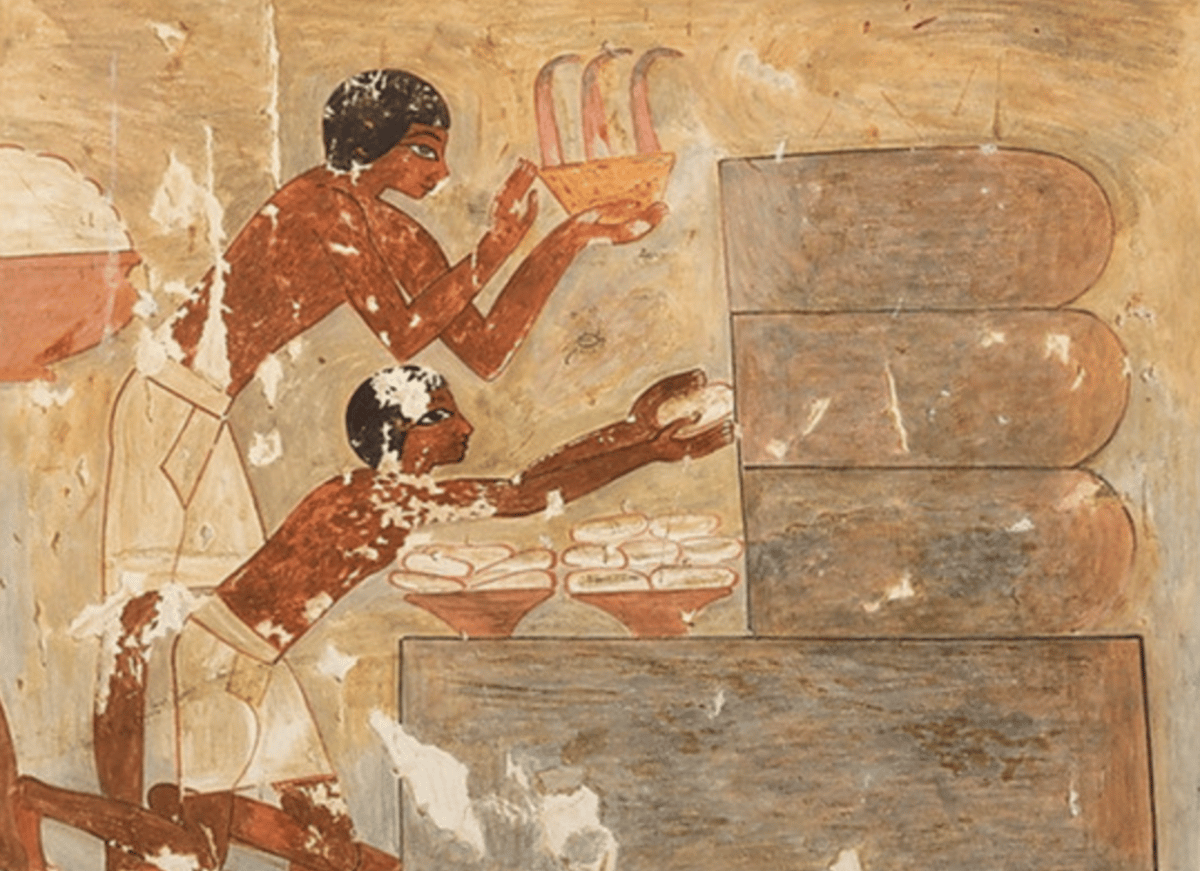
Why Ancient Egyptian Honey Remains Edible After 3,000 Years
Why It Matters
The finding underscores honey’s unique, self‑preserving properties, reinforcing its role as a natural, long‑lasting food and medical resource. It also highlights the importance of protecting bee populations that produce this irreplaceable commodity.
Key Takeaways
- •Honey's low water activity prevents bacterial growth, preserving it for millennia.
- •Ancient Egyptian jars sealed airtight, protecting honey from moisture and contaminants.
- •Honey's hydrogen peroxide content gives natural antimicrobial properties used in medicine.
- •Modern research confirms 3,000‑year‑old honey remains chemically stable and edible.
- •Bee decline underscores honey's historical importance and need for sustainable apiculture.
Pulse Analysis
Honey’s remarkable shelf life is rooted in its chemistry. With a water activity below 0.6, honey creates an environment where bacteria cannot thrive. The high sugar concentration draws moisture out of microbial cells, while enzymes produce hydrogen peroxide, a natural antiseptic. When ancient Egyptians sealed honey in clay or bronze containers, they effectively locked in these protective conditions, allowing the viscous liquid to remain unchanged for millennia. Modern food scientists cite the same mechanisms when explaining why commercial honey can sit on shelves indefinitely without refrigeration.
Beyond sweetness, honey served as a frontline medical remedy in antiquity. Egyptian texts describe ointments for skin lesions and eye infections, leveraging honey’s antimicrobial action to stave off infection. Contemporary research validates these claims: clinical studies demonstrate honey’s efficacy against antibiotic‑resistant bacteria and its utility in wound dressings. The 3,000‑year‑old samples from the tomb provide a living laboratory, confirming that the bioactive compounds responsible for healing have endured unchanged, offering insights for developing new natural therapeutics.
The ancient narrative also carries a cautionary note for today’s beekeeping industry. Global bee populations face unprecedented stress from habitat loss, pesticides, and disease, threatening the supply of a product that has sustained human societies for thousands of years. By studying the preservation techniques of the past—airtight storage, minimal exposure to moisture—modern producers can improve honey handling and reduce waste. Moreover, the enduring value of honey reinforces the economic incentive to invest in sustainable apiculture, ensuring that future generations retain access to this timeless, multifunctional resource.
Why Ancient Egyptian Honey Remains Edible After 3,000 Years
Comments
Want to join the conversation?
Loading comments...