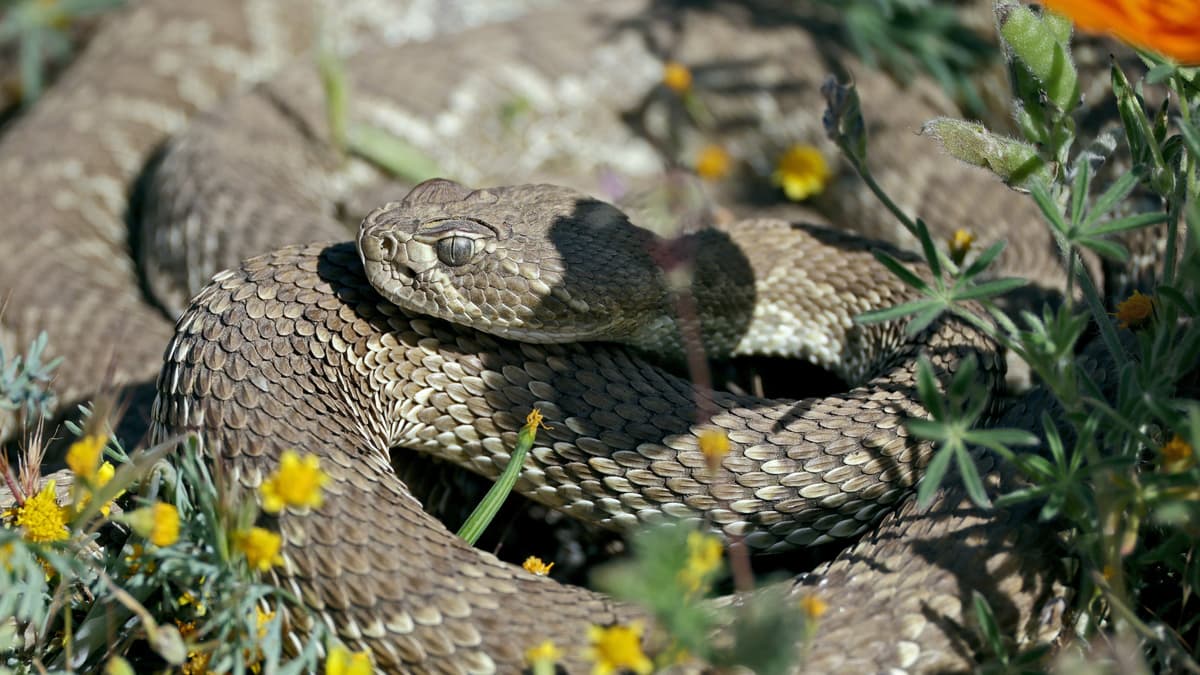
Why Are Rattlesnakes Biting So Many Hikers This Spring? Here’s What a Scientist Says.
Why It Matters
The uptick underscores how climate‑driven wildlife behavior can directly affect public safety and outdoor recreation, prompting both health‑system preparedness and conservation challenges.
Key Takeaways
- •California logged 77 snakebite calls in Q1 2026, exceeding average pace
- •Early heatwave accelerated rattlesnake activity across western states
- •Two rattlesnake bite deaths already outpace typical annual total
- •Experts recommend sturdy boots and constant situational awareness for hikers
- •Misinformation fuels harmful snake‑killing attempts, threatening wildlife
Pulse Analysis
The spring 2026 rattlesnake surge reflects a broader climate signal: an unusually warm March spurred early plant growth, rodent booms, and consequently, premature snake emergence. California’s poison‑control centers recorded 77 calls in the first three months, a rate that could eclipse the usual 200‑300 annual incidents. Similar spikes in Ventura County and Arizona suggest the pattern is regional, not isolated, highlighting how temperature anomalies can reshape human‑wildlife interactions in real time.
Biological scientist Emily Taylor of Cal Poly emphasizes that the spike is a statistical outlier rather than evidence of a growing or more venomous snake population. She notes that the odds of a fatal snakebite remain minuscule—people are far more likely to die from lightning or a ladder fall. Nonetheless, two deaths this year already exceed California’s typical zero‑to‑one annual fatalities, underscoring the need for public health messaging that balances caution with perspective, and counters sensational rumors that could inflame anti‑snake sentiment.
For hikers, the practical takeaway is simple: wear robust, high‑ankle boots and stay vigilant about where hands and feet are placed, especially near shade, water sources, and resting spots where snakes bask. Authorities and organizations like Central Coast Snake Services stress that harming snakes not only endangers the animals but also puts people at greater risk of accidental bites. As climate trends continue to shift wildlife behavior, outdoor recreation planners must integrate wildlife‑aware guidelines into trail management and emergency response protocols, ensuring both human safety and ecological balance.
Why Are Rattlesnakes Biting So Many Hikers This Spring? Here’s What a Scientist Says.
Comments
Want to join the conversation?
Loading comments...