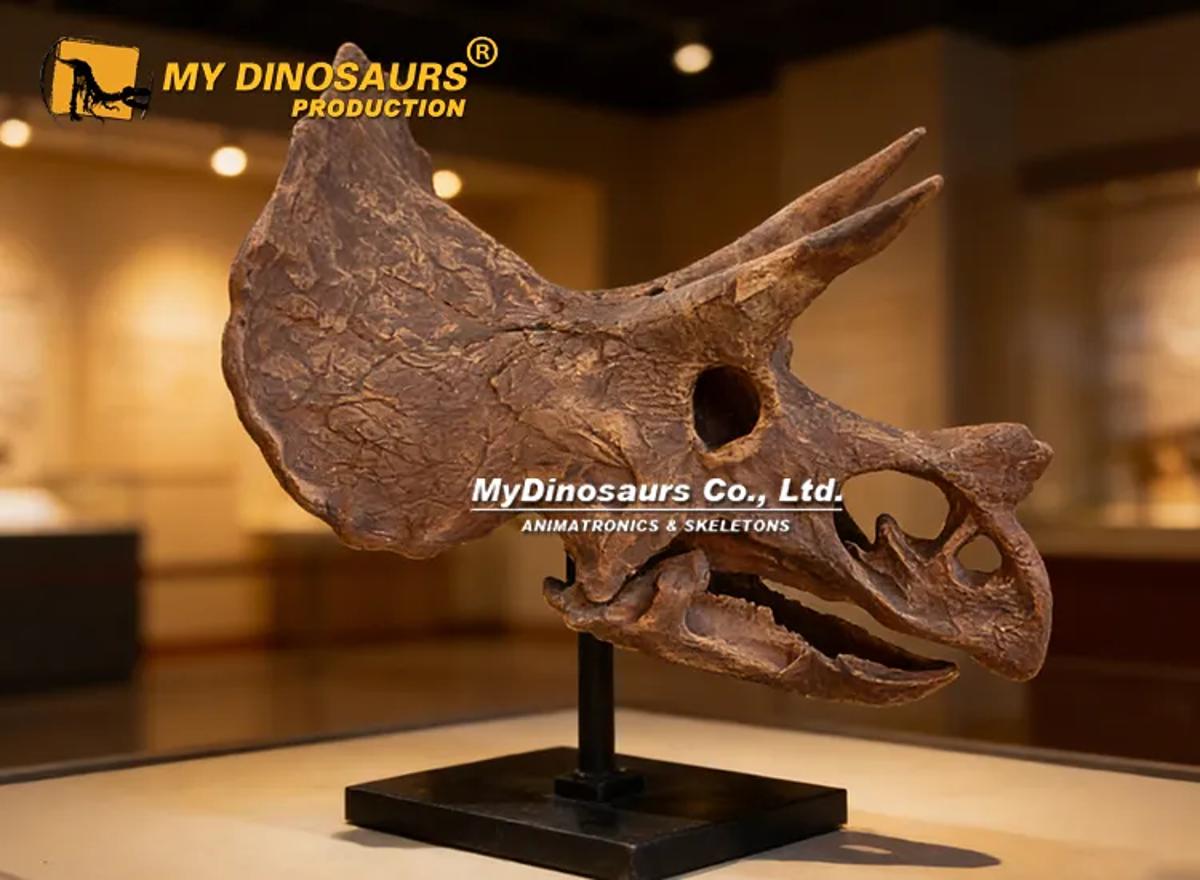
Why Displaying Dinosaur Skulls Is More Complex Than You Think
Key Takeaways
- •Fossil skulls are brittle, needing climate‑controlled environments.
- •Custom steel armatures distribute weight and hide supports.
- •3‑D modeling restores missing fragments while marking reconstructions.
- •Legal provenance and replica use protect originals and expand access.
Pulse Analysis
Displaying a dinosaur skull is a multidisciplinary engineering challenge. Although the mineralized bone appears stone‑like, centuries of fossilization leave micro‑fractures that make the material surprisingly fragile. Museums and private collectors therefore invest in climate‑controlled cases that keep humidity between 45 % and 55 % and temperature stable, while conservators apply reversible resins and shock‑absorbing mounts. Modern display engineers design hidden steel armatures and adjustable brackets that spread load across uneven surfaces, allowing the skull to “float” without risking cracks. Regular monitoring with sensors alerts staff to any environmental drift.
Scientific integrity is equally critical. Most skulls arrive incomplete, so paleontologists use comparative anatomy and high‑resolution 3‑D scanning to model missing pieces. The reconstructed sections are clearly labeled, preserving the distinction between original bone and replica material. Mis‑alignments can distort interpretations of feeding behavior or species identification, undermining research and public education. Moreover, the fossil trade is tightly regulated; provenance documentation, export permits, and compliance with international conventions safeguard against illicit sales and ensure that specimens remain available for scholarly study.
Because original fossils are irreplaceable, high‑quality casts have become a practical alternative. Advanced molding and 3‑D printing reproduce surface texture and coloration, enabling museums to display multiple copies of a rare skull while the authentic specimen stays in a secure storage vault. This approach reduces transportation risk, lowers acquisition costs, and broadens public access, especially for institutions lacking climate‑controlled facilities. As interest in paleontology grows, the industry is likely to see more collaborations between scientists, engineers, and replica manufacturers, ensuring that dinosaur skulls continue to inspire future generations without compromising their preservation.
Why Displaying Dinosaur Skulls Is More Complex Than You Think
Comments
Want to join the conversation?