Why Electrodics Is Essential for Future Energy Technologies
Why It Matters
Understanding electrodic behavior directly improves the efficiency, lifespan, and safety of next‑generation storage and conversion devices, accelerating the clean‑energy transition.
Key Takeaways
- •Electrodics examines charge dynamics at electrode‑electrolyte interfaces.
- •Improved electrodic characterization accelerates battery and supercapacitor performance.
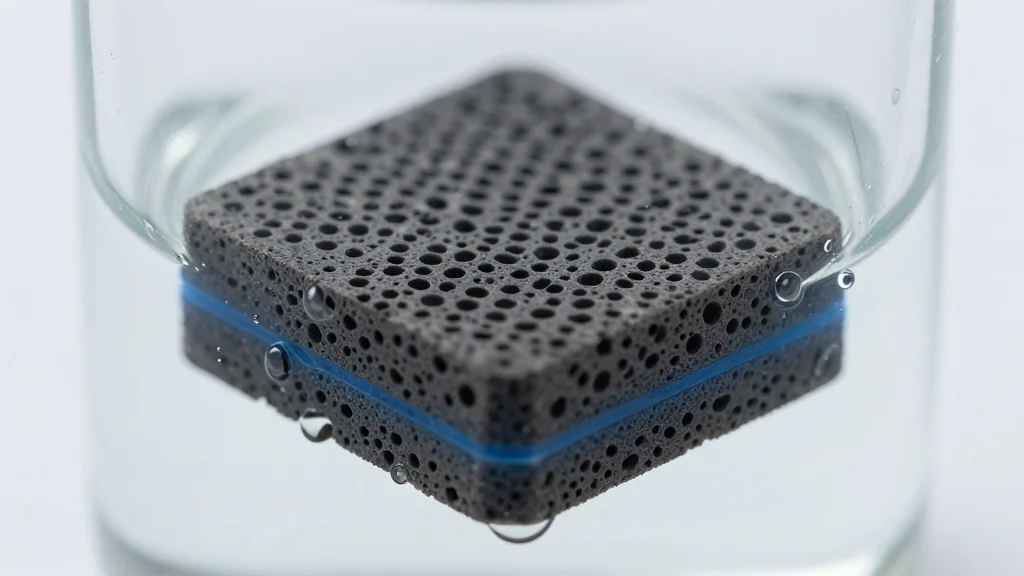
- •Porous composite electrodes benefit from detailed ion‑transport mapping.
- •Norway’s RCN grant backs electrodics research for clean energy.
Pulse Analysis
Electrodics, the sub‑discipline of electrochemistry that focuses on the microscopic processes occurring at the electrode‑electrolyte interface, has long been a niche topic compared with bulk material synthesis. Recent advances in operando spectroscopy, high‑resolution microscopy, and computational modeling now allow researchers to capture charge‑transfer kinetics and ion‑solvation dynamics in real time. By translating these insights into quantitative electrodic parameters—such as exchange current density, double‑layer capacitance, and interfacial resistance—scientists can bridge the gap between material discovery and device performance.
In practical energy storage, the performance ceiling of lithium‑ion, solid‑state, and flow batteries is often dictated by how efficiently ions traverse porous composite electrodes. Detailed electrodic mapping reveals bottlenecks such as uneven ion flux, localized overpotentials, and degradation hotspots, enabling targeted engineering of pore architecture and electrolyte formulation. Supercapacitors and hydrogen fuel cells similarly benefit from optimized interfacial charge dynamics, which translate into higher power density, longer cycle life, and reduced thermal runaway risk.
The momentum behind electrodics research is reflected in growing funding streams, exemplified by the Norwegian Research Council’s grant supporting the University of Stavanger team. Collaborative initiatives that combine materials science, fluid dynamics, and data‑driven analytics are establishing standardized testing protocols and open‑access databases. As industry adopts these tools, electrodics is poised to become a cornerstone of next‑generation clean‑energy technologies, accelerating the transition to low‑carbon power grids and electric mobility.
Why electrodics is essential for future energy technologies
Comments
Want to join the conversation?
Loading comments...