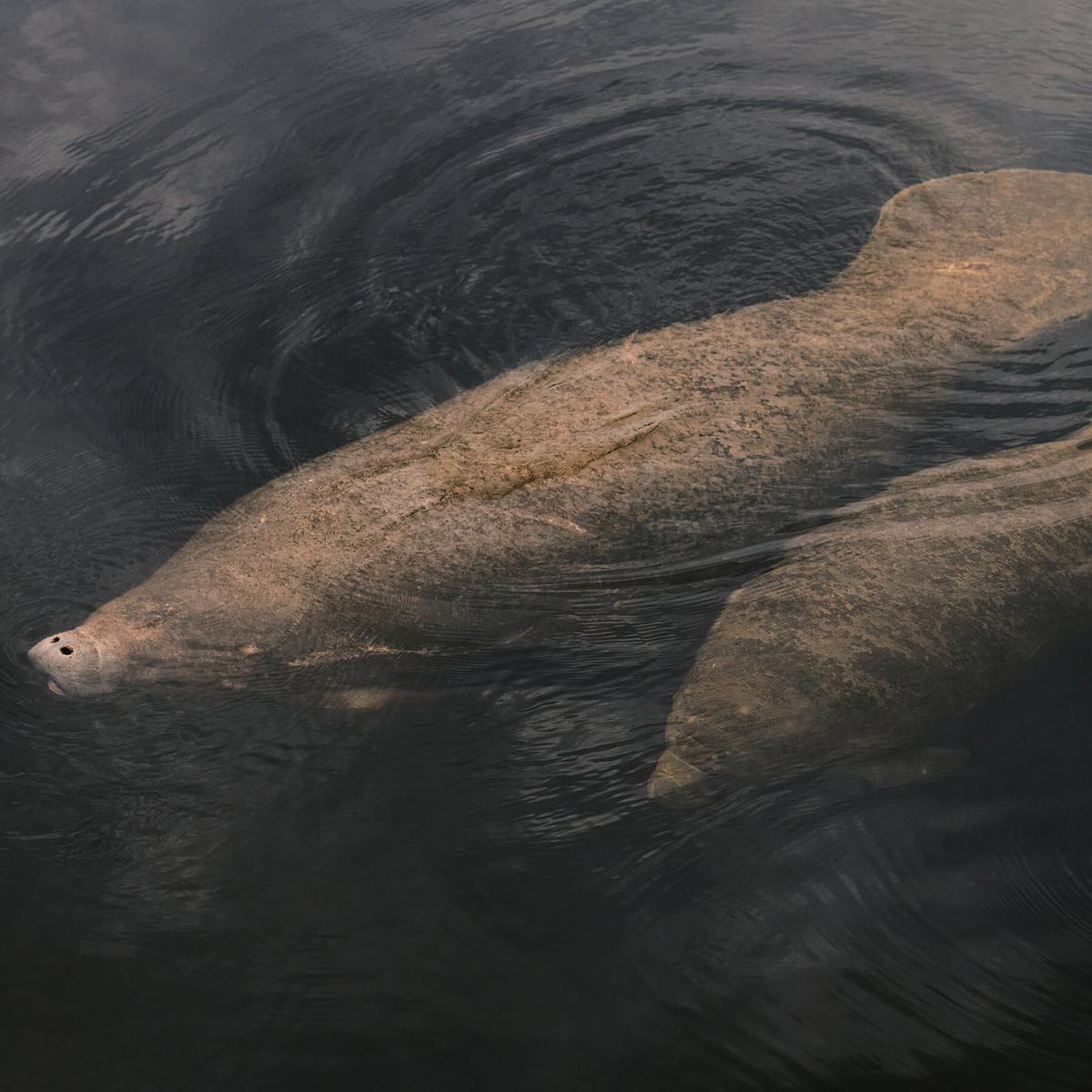
Why Manatees Need Humans to Slow Down and Pay Attention
Why It Matters
Manatee fatalities threaten a federally listed endangered species and can undermine Florida’s tourism‑driven economy that relies on healthy coastal ecosystems. Reducing boat strikes is essential for preserving biodiversity and sustaining local livelihoods.
Key Takeaways
- •Boat strikes caused 25% of Florida manatee deaths in 2025.
- •31 manatees killed by collisions in Florida so far 2026.
- •Spring boating surge increases risk as manatees migrate to shallow waters.
- •Save the Manatee Club urges slower speeds and heightened vigilance.
- •Adult manatees weigh ~1,000 pounds, vital for coastal ecosystem balance.
Pulse Analysis
Florida’s waterways are facing a growing conflict between recreational boating and the state’s iconic manatees. Recent state figures reveal that boat‑related incidents were responsible for a quarter of all manatee deaths last year, with 31 collisions reported in the first few months of 2026 alone. The seasonal migration of these gentle mammals into shallow rivers and estuaries coincides with a surge in boat traffic during the spring, creating a perfect storm for fatal encounters. This pattern underscores the need for heightened awareness among boaters, especially in high‑traffic zones like the Wakulla River and Cape Coral’s estuaries.
Beyond the tragic loss of individual animals, the decline of manatees poses broader ecological and economic concerns. As keystone herbivores, manatees help maintain seagrass health, which in turn supports fish populations and water quality. Their presence also drives eco‑tourism, a multi‑billion‑dollar industry that fuels local businesses from charter operators to hospitality venues. Each collision not only pushes the species closer to critical endangerment but also threatens the financial stability of communities that depend on a thriving marine environment.
Mitigation strategies are gaining traction, ranging from speed‑limit enforcement to the installation of acoustic warning systems and designated manatee protection zones. Nonprofits like the Save the Manatee Club are amplifying public education campaigns that stress slow‑speed navigation and vigilant watchfulness during peak migration periods. Policymakers are also considering stricter penalties for violations and expanded funding for rescue and rehabilitation centers. By aligning regulatory action with community outreach, Florida can reduce boat‑related fatalities and safeguard both its natural heritage and the economic benefits it generates.
Why Manatees Need Humans to Slow Down and Pay Attention
Comments
Want to join the conversation?
Loading comments...