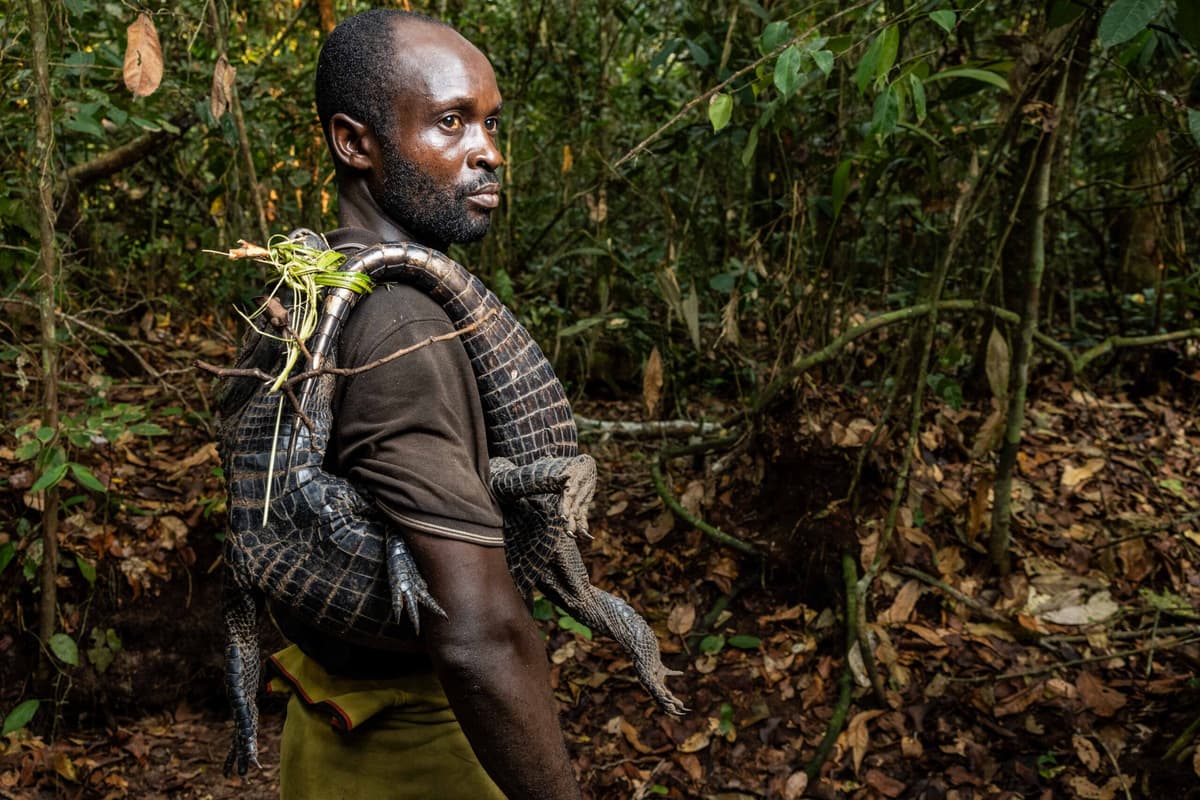
Wild Animal Consumption on the Rise in Central Africa, Study Finds
Why It Matters
Rising urban demand for bushmeat threatens biodiversity and heightens zoonotic disease risk, jeopardizing both conservation goals and regional food security.
Key Takeaways
- •Wild meat consumption up 50% from 2000 to 2022
- •Annual intake reached 1.1 million tons in 2022
- •31% of regional species face extinction risk
- •Urban demand now drives most of the increase
- •Study urges alternative proteins to protect wildlife
Pulse Analysis
The Nature‑published analysis, led by CIFOR‑ICRAF, surveyed more than 12,000 households across six Central African nations between 2000 and 2022. It documents a roughly 50 % jump in wild‑meat consumption, climbing from 730,000 tons to 1.1 million tons annually. The surge mirrors the region’s explosive population growth—from 25 million to 140 million—and the rapid expansion of urban centers that now account for the bulk of demand. While wild meat remains a staple for rural diets, its market has shifted toward cities where higher incomes and limited livestock supply drive purchases.
The dietary shift carries stark ecological and public‑health consequences. The study flags that 31 % of the region’s mammals, birds, reptiles and amphibians are already classified as extinction‑risk, a figure likely to climb as hunting pressure intensifies. Urban consumption also raises the probability of zoonotic spillovers, a concern amplified by the ongoing Ebola outbreak in eastern DRC and past links between bushmeat and diseases such as COVID‑19. As wildlife reservoirs shrink, the resilience of ecosystems that support agriculture and climate regulation weakens.
Policymakers are urged to decouple protein demand from wild‑animal harvests. Strengthening poultry, aquaculture and plant‑based alternatives, alongside creating formal employment for former hunters, could curb illegal trade while preserving food security for rural households. Regional trade frameworks that facilitate safe, culturally acceptable protein imports may also relieve pressure on local markets. If implemented, these measures would protect biodiversity, reduce disease risk, and sustain the socio‑economic fabric that relies on wild meat, positioning Central Africa for a more resilient future.
Wild animal consumption on the rise in Central Africa, study finds
Comments
Want to join the conversation?
Loading comments...