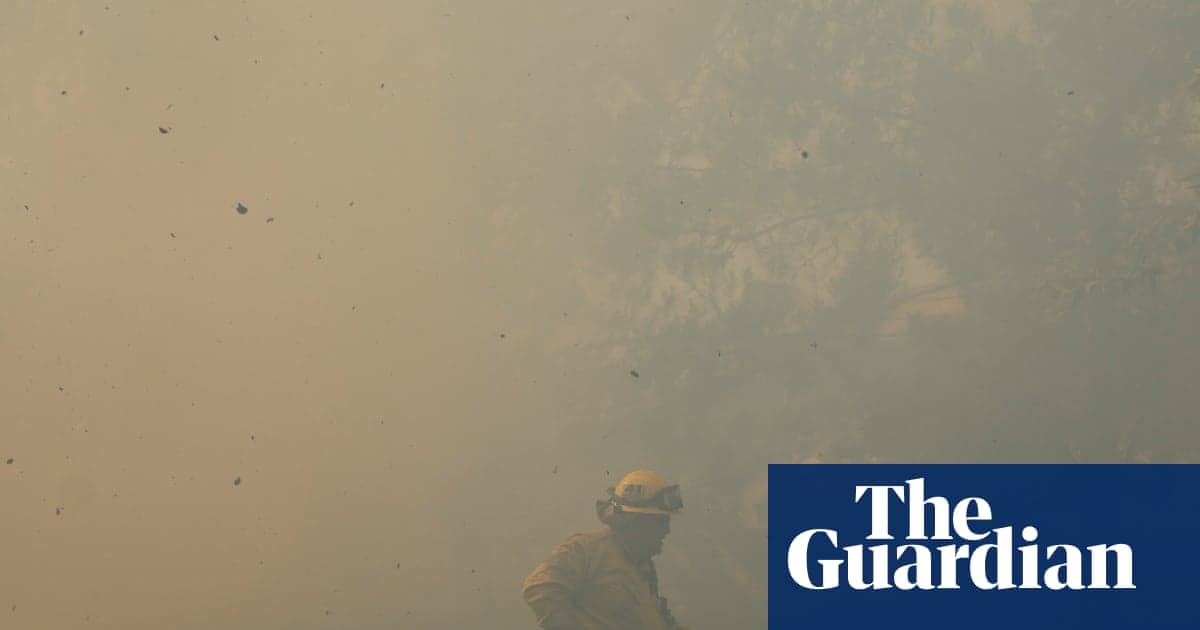
Wildfire Smoke Has Reversed US Progress Toward Ozone Air Quality, Study Finds
Why It Matters
Wildfire‑driven ozone reversals threaten public‑health gains and challenge the effectiveness of existing air‑quality regulations, highlighting the need for integrated climate and fire‑management policies.
Key Takeaways
- •Wildfire smoke reversed US ozone improvement since 2015.
- •Surface ozone trend shifted from -0.65 ppb/yr to +0.13 ppb/yr.
- •Study links ozone rise to about 318 premature deaths each year.
- •Researchers used satellite and deep‑learning data to fill EPA’s 2% coverage gap.
- •Increasing wildfires threaten health gains from past emissions reductions.
Pulse Analysis
Ground‑level ozone, a harmful pollutant formed when sunlight reacts with vehicle exhaust, industrial emissions, and volatile organic compounds, has been a focus of U.S. environmental policy for decades. Prior to 2015, EPA‑monitored sites recorded a steady decline of roughly 0.65 ppb per year, reflecting the success of stricter vehicle standards and industrial controls. The new study, however, reveals that the surge in wildfire smoke has halted that downward trajectory, pushing ozone levels upward by 0.13 ppb annually and erasing years of regulatory progress.
The researchers faced a critical data limitation: EPA monitoring stations cover only about 2 % of the continental United States, leaving large swaths of fire‑prone regions unobserved. To bridge this gap, they fused satellite observations, meteorological inputs, and EPA data within a deep‑learning framework, creating a high‑resolution ozone dataset that captures smoke transport hundreds of miles from its source. This methodological advance not only validates the observed plateau in ozone concentrations but also quantifies a direct link to approximately 318 premature deaths each year, reinforcing the human toll of climate‑induced fire activity.
Policy implications are stark. While emissions of traditional ozone precursors continue to fall, the growing frequency and intensity of wildfires—driven by a warming climate—are now a primary driver of ozone pollution. Mitigating climate change, investing in fire‑prevention strategies, and expanding air‑quality monitoring are essential to restore the downward trend in ozone and protect public health. Failure to address the wildfire‑ozone nexus could undermine decades of environmental gains and impose escalating health costs nationwide.
Wildfire smoke has reversed US progress toward ozone air quality, study finds
Comments
Want to join the conversation?
Loading comments...