Wildfires Used to ‘Sleep’ at Night. Climate Change Has Them Burning Overtime
Why It Matters
Extended fire‑prone hours increase suppression costs, threaten lives, and amplify climate‑driven damage to ecosystems and property across North America.
Key Takeaways
- •Fire‑prone hours up 36% since 1970s
- •California gains 550 extra nightly burning hours
- •Arizona/New Mexico see up to 2,000 new fire hours
- •Nighttime temps rose 2.6°F, humidity stays low
- •Fire season lengthened by 44%, adding 26 days
Pulse Analysis
The study’s findings underscore a shifting fire regime driven by climate change, where warmer, drier nights now sustain combustion long after sunset. Historically, nocturnal cooling and rising humidity acted as a natural brake on wildfires, allowing crews to regroup and contain flames. Today, satellite‑derived hour‑by‑hour data reveal that nighttime lows in the contiguous United States have risen by 2.6 °F (1.4 °C) since 1975, while humidity fails to rebound. This combination creates a continuous fire‑hazard window that extends both daily and seasonally, eroding the traditional “night‑time lull” that firefighters relied upon.
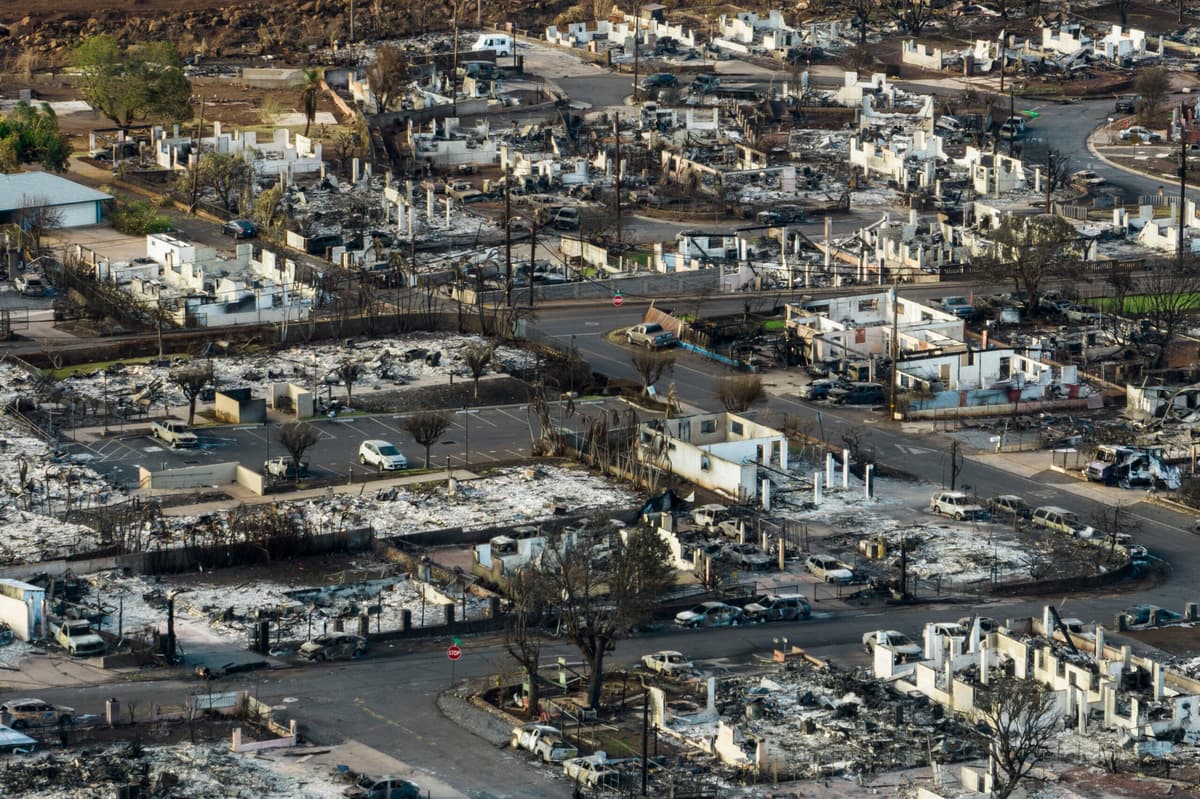
Operationally, the loss of nightly reprieve compounds suppression challenges. Fires that burn through the night gain momentum, arriving at dawn with higher intensity and larger footprints, demanding more resources and increasing safety risks for crews. The study cites recent incidents—Lahaina, Jasper, and projected Los Angeles fires—as examples where nighttime ignition forced responders to fight in darkness, contending with wildlife and reduced visibility. As fire‑prone days increase by 44%, the calendar itself expands, adding roughly 26 extra fire‑risk days per year, which strains budgets, equipment availability, and inter‑agency coordination.
Looking ahead, the research warns that the trend will intensify as greenhouse‑gas concentrations rise. Warmer nights accelerate fuel drying, while persistent droughts amplify fuel loads, creating a feedback loop that fuels larger, more frequent blazes. Policymakers and land managers must therefore prioritize climate‑adapted strategies: investing in night‑time detection technologies, revising building codes for fire‑resilient construction, and expanding prescribed‑burn programs to reduce fuel accumulation. By acknowledging the new reality of overnight fire activity, the industry can better allocate resources and mitigate the escalating economic and ecological costs of a lengthening wildfire season.
Wildfires Used to ‘Sleep’ at Night. Climate Change Has Them Burning Overtime
Comments
Want to join the conversation?
Loading comments...