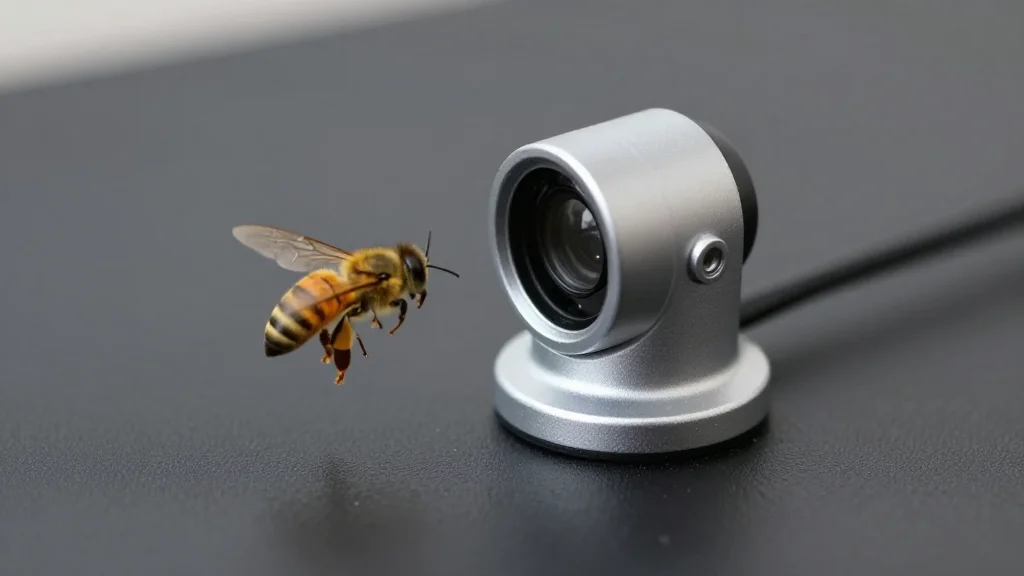
Wingbeat Radar Signatures Let AI Sort Bees, Wasps and Other Insects
Why It Matters
Accurate, non‑destructive insect identification enables growers and conservationists to track pollinator health, a critical factor for crop yields and ecosystem resilience.
Key Takeaways
- •Model distinguishes bees from wasps with 96% accuracy.
- •Five insect species classified to species level at 85% accuracy.
- •Uses millimeter‑wave radar, avoiding lethal sampling of insects.
- •Potential for cheap, continuous biodiversity monitoring in fields.
Pulse Analysis
The breakthrough hinges on millimeter‑wave (mmWave) radar, which captures the micro‑Doppler effect generated by an insect’s wingbeats. By feeding these high‑resolution signatures into a deep‑learning pipeline, researchers extracted more than 70 distinct features—ranging from fundamental wing‑beat frequencies to rapid changes in wing motion. This granular data enables the algorithm to separate species that are visually similar, delivering classification performance that rivals traditional, labor‑intensive methods while eliminating the need for specimen collection.
For agriculture and ecology, the technology addresses a long‑standing bottleneck: monitoring pollinator populations at scale. Conventional surveys rely on manual trapping, visual identification, or genetic analysis, all of which are costly, time‑consuming, and often fatal to the insects. A non‑lethal radar system can be deployed across orchards, farms, or natural habitats, providing continuous, real‑time data on bee and wasp activity. Such insight helps growers anticipate pollination gaps, informs pesticide application timing, and supports policymakers in assessing biodiversity trends under climate stress.
Commercially, the low‑cost hardware and software stack open pathways for integration into smart‑farm platforms and environmental IoT networks. As the model scales to more species, it could feed into regional monitoring dashboards, enabling early warning of pollinator declines. Future research will focus on miniaturizing antenna arrays, expanding the species library, and standardizing data protocols to ensure interoperability across devices and jurisdictions. The convergence of radar sensing and AI thus promises a new era of sustainable, data‑driven ecosystem management.
Wingbeat radar signatures let AI sort bees, wasps and other insects
Comments
Want to join the conversation?
Loading comments...