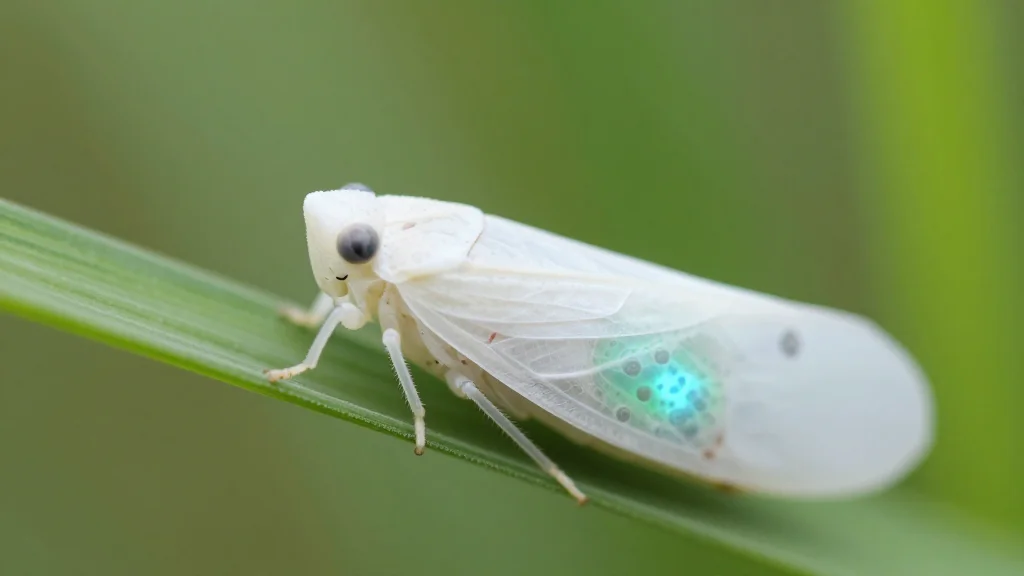
Wolbachia-Mediated Viral Transmission Enhancement in Insect Vectors
Why It Matters
The discovery provides a sustainable, pesticide‑free avenue to curb SRBSDV spread, protecting rice yields across Asia. It also reshapes our understanding of symbiont‑virus dynamics, highlighting that Wolbachia can both suppress and promote pathogen transmission depending on the host context.
Key Takeaways
- •Wolbachia presence correlates with high SRBSDV transmission in planthoppers
- •WSP protein directly binds SRBSDV capsid P8, enabling salivary gland entry
- •Anti‑WSP antibodies cut viral load and transmission rates in experiments
- •Disrupting Wolbachia‑virus interaction offers pesticide‑free control of rice disease
- •Study contrasts Wolbachia’s antiviral role in mosquitoes with facilitative role in planthoppers
Pulse Analysis
Rice production in Asia faces a persistent threat from southern rice black‑streaked dwarf virus, which can decimate yields and destabilize food security. Traditional control relies on resistant cultivars and chemical insecticides, both of which have limitations: resistance can break down and pesticide use raises environmental and health concerns. Understanding the biological underpinnings of virus spread is therefore critical for designing durable, eco‑friendly interventions that safeguard staple crops.
The new study uncovers a surprising twist in the Wolbachia story. While the bacterium is celebrated for blocking dengue and Zika in mosquitoes, here it acts as a conduit for SRBSDV in the white‑backed planthopper. Molecular assays show that Wolbachia’s surface protein (WSP) latches onto the viral capsid protein P8, forming a complex that traverses the insect’s salivary gland barrier—a prerequisite for plant infection. Field surveys linked high Wolbachia titers to planthopper populations that transmit the virus most efficiently, and laboratory injections confirmed that removing Wolbachia aborts gland colonization despite systemic viral presence.
These insights open a pathway to biocontrol that sidesteps chemicals. Targeting the WSP‑P8 interaction—through antibodies, peptide inhibitors, or engineered Wolbachia strains lacking functional WSP—could block the virus’s “hitchhiking” route, dramatically lowering transmission rates. Such a strategy aligns with integrated pest management principles and could be scaled across rice‑growing regions. Moreover, the work prompts a broader reevaluation of symbiont‑mediated pathogen dynamics, reminding researchers that microbial allies can be double‑edged swords depending on the host‑vector context. Future research will need to assess field‑level efficacy, potential impacts on planthopper fitness, and regulatory pathways for deploying symbiont‑based solutions.
Wolbachia-mediated viral transmission enhancement in insect vectors
Comments
Want to join the conversation?
Loading comments...