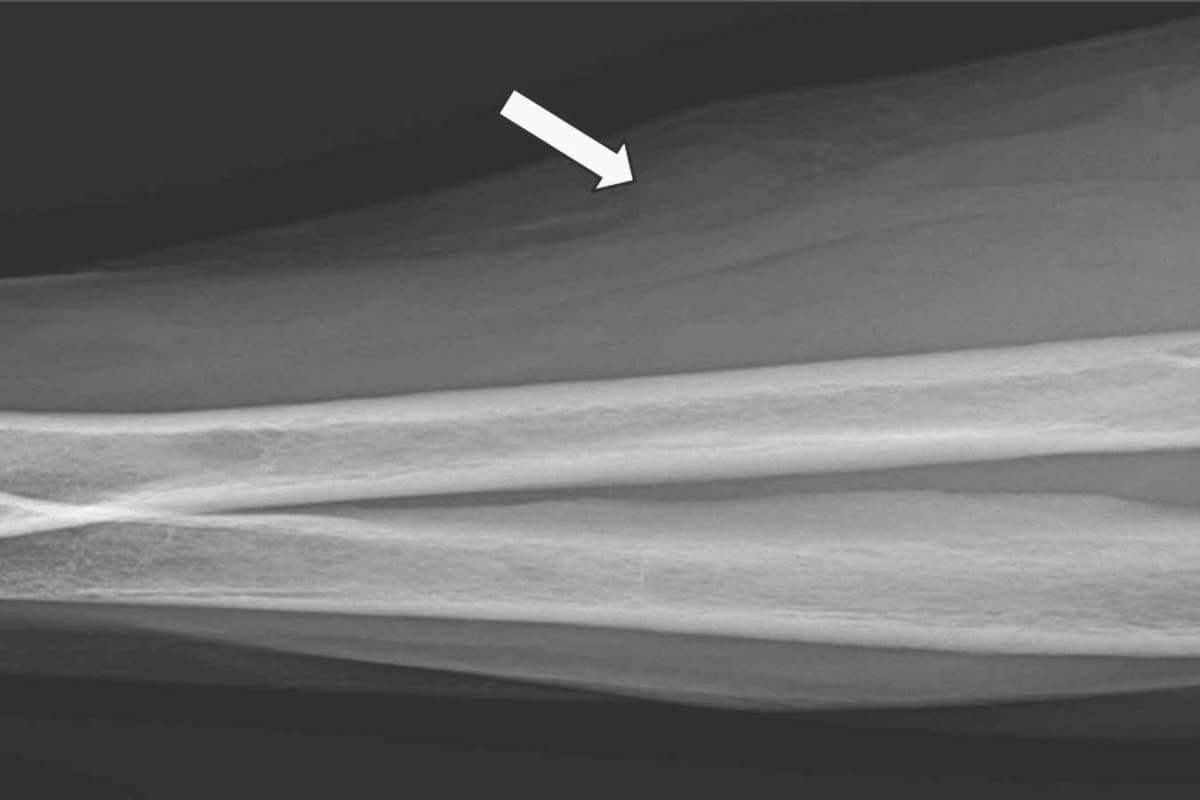
Woman in Cancer Remission without Treatment in Highly Unusual Case
Why It Matters
If biopsy‑induced immune activation can be replicated, it may open new avenues for low‑toxicity cancer immunotherapies and improve understanding of tumor‑immune dynamics.
Key Takeaways
- •Biopsy triggered immune response, causing tumor regression in weeks
- •Only nine known cases of biopsy‑induced remission for this cancer type
- •Researchers suspect released tumor antigens primed patient’s T‑cells
- •Insight could inform development of novel, minimally invasive immunotherapies
Pulse Analysis
Spontaneous cancer remission has long fascinated clinicians, but documented cases remain exceedingly rare. Historically, a handful of patients have experienced tumor disappearance after infections, fever, or trauma, prompting speculation about the immune system’s latent capacity to eradicate malignant cells. The recent report of a woman whose arm tumor vanished following a routine biopsy adds a new dimension to this phenomenon, joining just eight other recorded instances where a diagnostic procedure appears to have acted as an inadvertent vaccine against the disease.
The underlying mechanism likely involves the release of tumor‑associated antigens during tissue sampling, which can be captured by antigen‑presenting cells and presented to cytotoxic T‑lymphocytes. In this patient, the biopsy may have created a localized inflammatory milieu rich in cytokines such as interferon‑γ and interleukin‑12, amplifying the adaptive immune response. Early laboratory analyses have detected heightened T‑cell activity against the patient’s specific tumor markers, suggesting that the biopsy served as a catalyst for an in‑situ immunization. While the exact pathways remain under investigation, the case underscores the potential of leveraging controlled antigen exposure to stimulate anti‑cancer immunity.
For biotech firms and oncologists, the implications are twofold. First, understanding how a simple, low‑risk procedure can trigger robust immune surveillance could inspire novel, minimally invasive immunotherapy platforms that mimic this effect without the need for high‑dose drugs. Second, the rarity of such outcomes highlights the importance of systematic data collection and patient registries to identify predictive biomarkers. Ongoing collaborations between academic centers and industry aim to translate these insights into clinical trials, exploring whether engineered biopsies or localized antigen‑release devices can reliably reproduce the observed remission in broader patient populations.
Woman in cancer remission without treatment in highly unusual case
Comments
Want to join the conversation?
Loading comments...