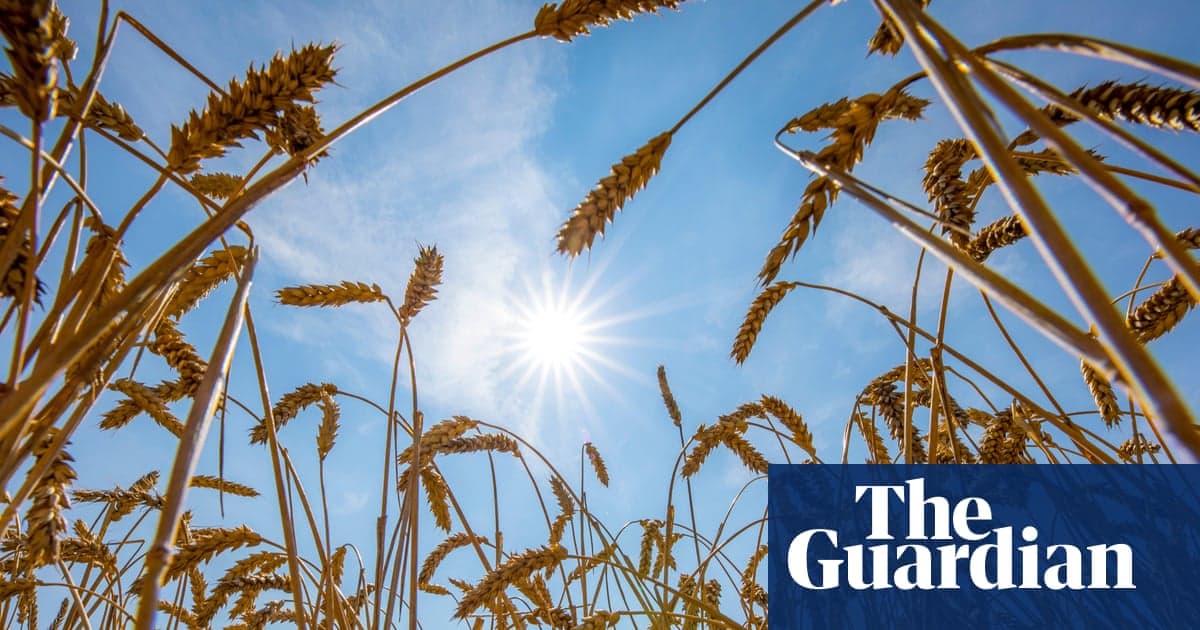
World Food Systems ‘Pushed to the Brink’ by Extreme Heat, UN Warns
Why It Matters
The findings signal a looming food‑security crisis for over a billion people and a feedback loop where expanding cropland to compensate for losses could accelerate greenhouse‑gas emissions.
Key Takeaways
- •Farmers may lose up to 250 workdays annually in hot regions
- •Wheat and maize yields already down ~10% in affected areas
- •Livestock mortality rises once temperatures exceed 25 °C
- •Ocean heatwaves reduce dissolved oxygen, killing fish populations
- •Adaptation needs early warnings, shade, water, and diversified farming
Pulse Analysis
Extreme heat is emerging as the most immediate climate threat to food production, according to a new UN report co‑authored by the FAO and WMO. The analysis links rising temperatures—already 1.5 °C above pre‑industrial levels—to a cascade of agricultural stresses, from reduced labor capacity to accelerated crop failure. By quantifying the potential loss of up to two‑thirds of workable days in already hot regions, the report underscores that heat is no longer a seasonal inconvenience but a structural risk that could destabilize global supply chains.
Crop and livestock sectors are feeling the pressure simultaneously. Maize and wheat, two of the world’s staple grains, have seen yields dip roughly 10 % in vulnerable zones, with projections indicating further declines as heat thresholds are crossed. Livestock face physiological limits; dairy cows produce less milk with lower fat and protein, while pigs and chickens suffer organ failure at temperatures above 25 °C. In marine environments, heatwaves depress dissolved oxygen levels, triggering mass fish die‑offs that threaten both nutrition and livelihoods. The combined effect threatens food prices, trade flows, and the economic stability of regions already grappling with poverty.
Mitigating these impacts requires a blend of technology, policy, and systemic change. Early‑warning systems leveraging weather forecasts and mobile alerts can help farmers adjust planting schedules, while on‑the‑ground measures—shade structures, water access, and regulated work hours—protect laborers. Long‑term resilience hinges on diversifying crops, integrating agroforestry, and reducing reliance on fossil‑fuel‑intensive inputs. Investment in renewable energy and large‑scale adaptation programs can break the vicious cycle of expanding agricultural land, which would otherwise spur further emissions. Policymakers, investors, and agribusinesses must act now to safeguard food security and curb climate feedbacks.
World food systems ‘pushed to the brink’ by extreme heat, UN warns
Comments
Want to join the conversation?
Loading comments...