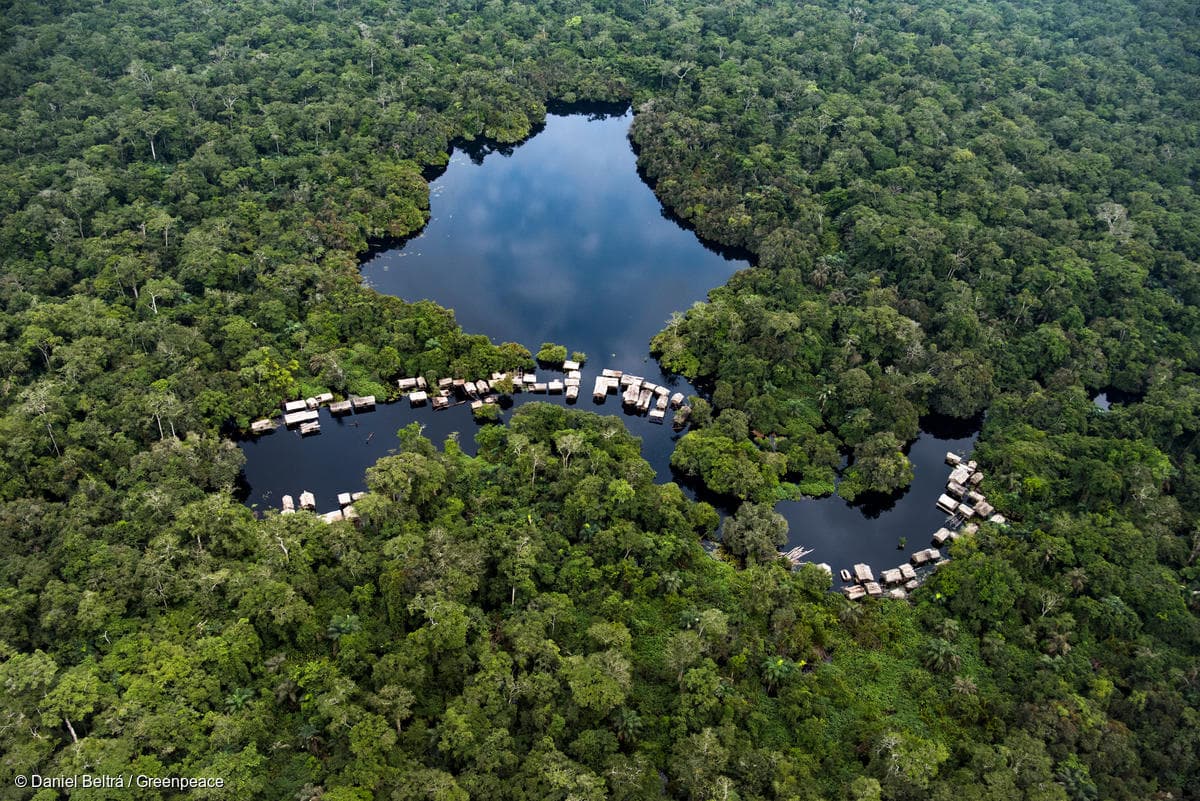
World Peatland Day Honors a Crucial Ecosystem in the Fight Against Climate Change
Why It Matters
Peatlands act as a massive carbon sink; their degradation accelerates emissions, while restoration offers a tangible climate solution.
Key Takeaways
- •Peatlands cover 3% of land but hold ~30% of global carbon
- •Congo Basin peatlands store ~30 billion tons carbon; lakes release ancient carbon
- •Indigenous-led hub restores >100,000 ha of Arctic and boreal peatlands
- •Peru’s aguaje harvest shift reduces tree loss and protects peat carbon
Pulse Analysis
Peatlands, ranging from Arctic tundra to tropical swamps, are among the planet’s most efficient carbon reservoirs. By trapping organic matter in water‑logged conditions, they lock away carbon for millennia, accounting for roughly one‑third of all terrestrial carbon despite occupying a modest 3% of Earth’s surface. This unique sequestration capacity makes peatlands a frontline defense against climate change, and their preservation is increasingly recognized in international policy frameworks such as the UNFCCC and the Paris Agreement.
Recent scientific findings raise alarm that this natural safeguard is under threat. In the Congo Basin, the world’s largest tropical peatland, researchers identified lake emissions of carbon that is 2,000‑3,500 years old, suggesting that ancient stores are beginning to leak. Simultaneously, warming permafrost in the Arctic is destabilizing boreal peat, releasing greenhouse gases at an accelerating pace. These dynamics highlight the need for robust monitoring networks and climate‑adaptation strategies that address both natural variability and anthropogenic pressures.
Conversely, innovative restoration and community‑driven stewardship illustrate a path forward. A coordinated Indigenous‑led hub across Europe, Canada, and the United States has already restored more than 100,000 hectares of Arctic peatland, integrating traditional ecological knowledge with modern science. In Peru, sustainable aguaje palm harvesting reduces tree loss while safeguarding peat carbon. Such examples demonstrate that aligning local practices with global climate goals can both protect biodiversity and enhance carbon storage, offering scalable models for policymakers and investors seeking climate‑positive outcomes.
World Peatland Day honors a crucial ecosystem in the fight against climate change
Comments
Want to join the conversation?
Loading comments...