Why It Matters
A rapid increase in kākāpō births reduces extinction risk and validates costly predator‑control strategies, encouraging continued investment in rare‑species recovery programs.
Key Takeaways
- •Adult kākāpō count reached 336 after record breeding season
- •Nearly 100 chicks hatched, highest annual success in decades
- •Predator‑free islands and supplemental feeding drove the mating surge
- •Success boosts species' IUCN status outlook and funding prospects
Pulse Analysis
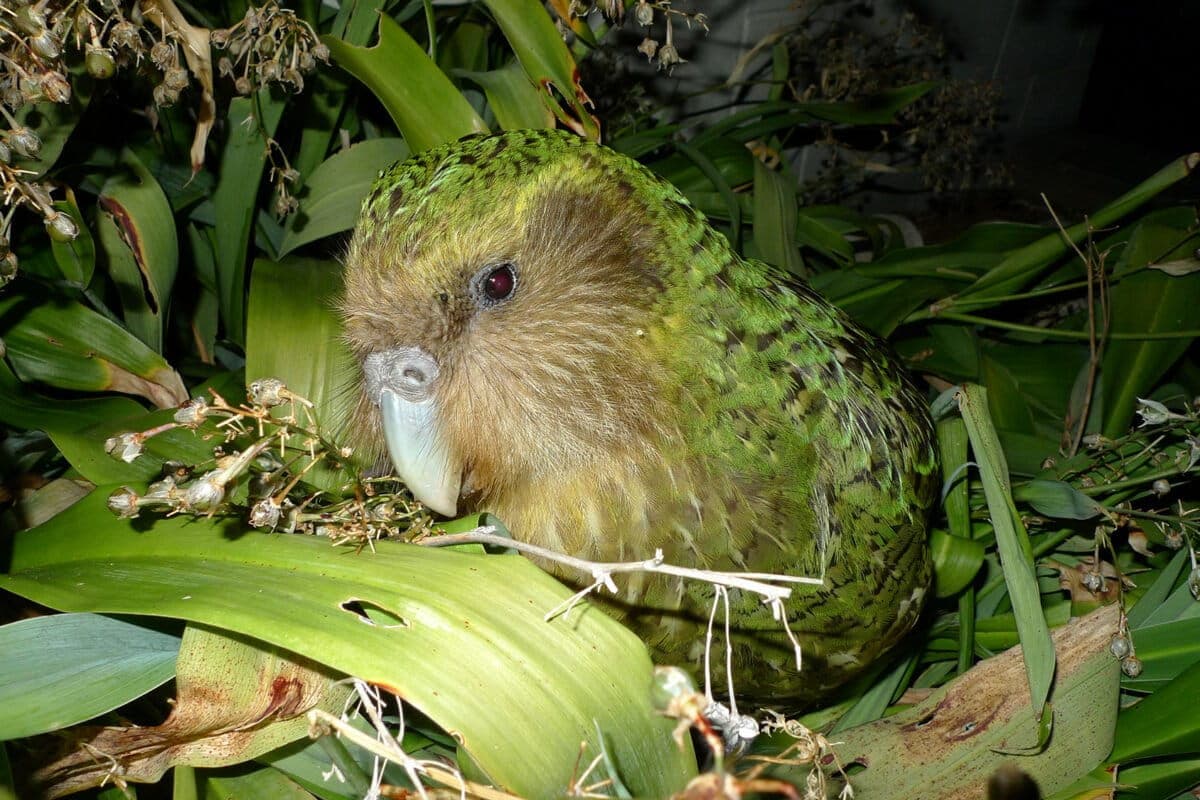
The kākāpō (Strigops habroptilus) has long been a poster child for New Zealand’s biodiversity crisis. Once abundant across the islands, the flightless, nocturnal parrot was decimated by introduced predators such as stoats, cats, and rats, and by habitat loss. By the early 2000s, fewer than 200 individuals remained, prompting the government and NGOs to launch intensive recovery programs that included translocation to predator‑free offshore sanctuaries and rigorous monitoring.
This year’s breeding success marks a watershed moment for those efforts. Conservationists report that nearly 100 chicks have fledged, a figure that dwarfs the typical 30‑40 annual births seen over the past two decades. The spike can be traced to a combination of factors: expanded predator‑free islands, targeted supplemental feeding to boost female body condition, and refined artificial incubation techniques that improve hatch rates. Moreover, the use of acoustic playback to stimulate male courtship has proven effective, turning what was once a sporadic mating season into a sustained frenzy.
The implications extend beyond the kākāpō itself. Demonstrating that intensive, science‑driven interventions can reverse the decline of a megafaunal bird offers a template for other critically endangered species worldwide. It also strengthens the case for continued public and private funding, as donors see tangible results. Nonetheless, challenges remain—genetic diversity, climate‑related food availability, and the long‑term sustainability of predator‑free islands must be managed to ensure the momentum translates into a stable, self‑sustaining population.
World’s fattest parrots have mating frenzy
Comments
Want to join the conversation?
Loading comments...