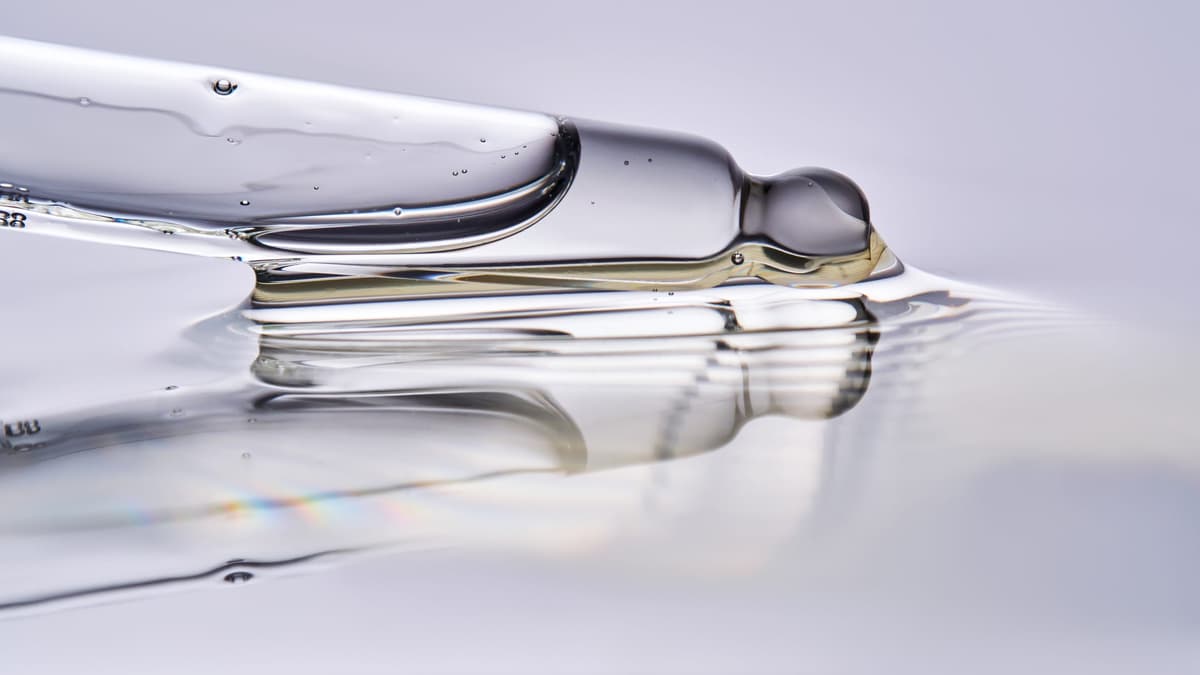
Your Bottle of Korean Skincare May Have an Unintended Life-Saving Benefit
Why It Matters
If the compound can be optimized into a drug, it could add a plant‑derived class to the dwindling antibiotic pipeline, addressing a critical public‑health threat.
Key Takeaways
- •Madecassic acid binds cytochrome bd, disrupting bacterial respiration
- •Modified variants killed resistant E. coli in lab tests
- •Plant‑based source offers sustainable raw material for antibiotics
- •Clinical development faces >90% failure rate for new antibiotics
- •K‑beauty ingredient may inspire chemically‑enhanced drug candidates
Pulse Analysis
Antimicrobial resistance (AMR) remains one of the World Health Organization’s top global health emergencies, with resistant infections responsible for an estimated 4.95 million deaths annually. Traditional pharmaceutical pipelines have struggled to keep pace, as the high cost of development and low financial incentives deter large‑scale investment. Consequently, researchers are turning to unconventional sources—such as natural products and cosmetics ingredients—to uncover novel mechanisms that could bypass existing resistance pathways.
The recent study on madecassic acid, a terpene found in Centella asiatica and widely used in K‑beauty formulations, demonstrates a promising mechanism: the molecule binds tightly to cytochrome bd, a respiratory protein essential for bacterial survival under low‑oxygen conditions. By inhibiting this complex, the compound starves the bacteria of energy, leading to cell death. Laboratory experiments confirmed that both the native acid and three chemically tweaked analogues suppressed growth of multi‑drug‑resistant E. coli, with one analogue achieving outright bactericidal activity at higher concentrations. This dual approach—computational screening followed by targeted synthesis—highlights how cosmetic chemistry can inform antibiotic discovery.
For the biotech and pharmaceutical sectors, the findings suggest a new scaffold that is both bio‑active and sustainably sourced through agricultural cultivation. However, translating a skin‑care ingredient into a prescription drug entails rigorous safety, pharmacokinetic, and efficacy trials, especially given that roughly nine out of ten antibiotic candidates fail in clinical stages. If successful, chemically optimized versions of madecassic acid could diversify the antibiotic arsenal while offering a marketable link between the booming K‑beauty industry and healthcare innovation. Stakeholders should monitor upcoming pre‑clinical studies to gauge the compound’s real‑world potential.
Your Bottle of Korean Skincare May Have an Unintended Life-Saving Benefit
Comments
Want to join the conversation?
Loading comments...