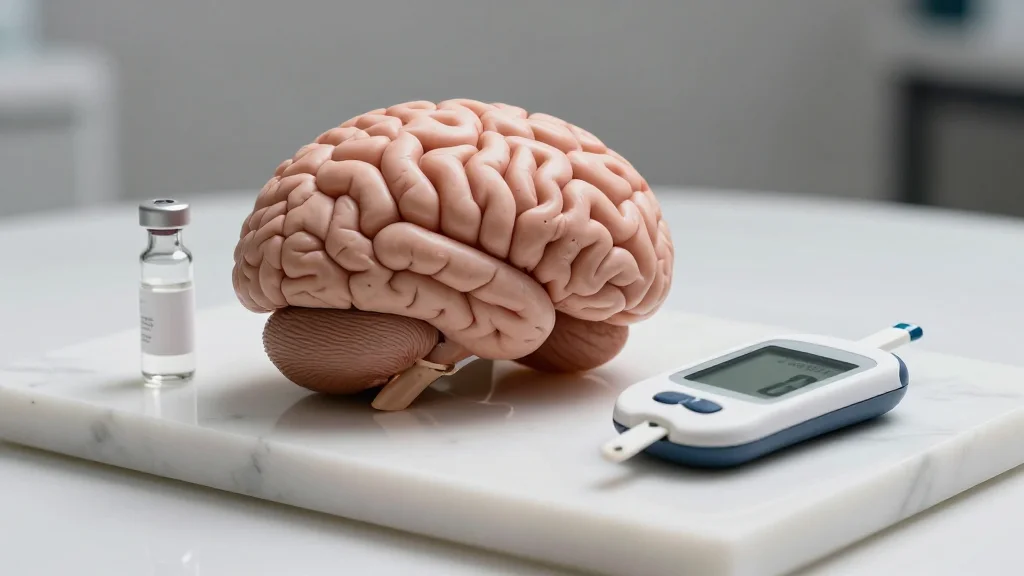
Your Brain May Be Shrinking For Reasons Beyond Normal Aging
Why It Matters
Metabolic dysfunction emerges as a modifiable risk factor for cognitive decline, linking diabetes‑related pathways directly to brain atrophy. Recognizing and treating insulin and leptin resistance could help prevent dementia and preserve mental performance.
Key Takeaways
- •Insulin resistance linked to reduced hippocampal gray‑matter volume
- •Higher leptin levels indicate central leptin resistance and brain shrinkage
- •HOMA‑IR >2.77 predicts smaller frontal and temporal lobes
- •Strength training improves insulin sensitivity, protecting cognitive function
Pulse Analysis
The Italian cohort study adds a new layer to the growing evidence that metabolic health is inseparable from brain integrity. By pairing MRI‑based gray‑matter measurements with fasting insulin, glucose, BMI and leptin levels, researchers demonstrated a clear dose‑response: as insulin resistance worsens, the hippocampi, amygdalae, and key frontal‑temporal zones shrink, and cognitive test scores drop. This relationship held even after accounting for mood‑disorder severity, underscoring that the brain’s insulin and leptin receptors are a vulnerable nexus where systemic metabolism meets neural function.
Mechanistically, insulin drives synaptic plasticity and neuronal survival, while leptin supports BDNF‑mediated growth and curbs apoptosis. When peripheral insulin resistance develops, the brain receives weaker signaling, impairing glucose uptake and protein synthesis. Simultaneously, chronic inflammation in obesity blunts leptin transport across the blood‑brain barrier, creating central leptin resistance despite high circulating levels. These hormonal deficits accelerate gray‑matter loss and have been linked to earlier amyloid accumulation, raising the specter of Alzheimer’s disease. Emerging interventions—such as intranasal insulin, GLP‑1 agonists, and leptin‑sensitizing compounds—are being tested for their capacity to restore neuro‑metabolic signaling.
For clinicians and health‑conscious adults, the study translates into actionable steps. Ordering fasting insulin and calculating HOMA‑IR can uncover hidden resistance before glucose rises. Lifestyle measures—adequate protein intake, regular resistance training, and minimizing ultra‑processed foods—boost insulin sensitivity and may reverse early brain changes. As the population ages, integrating metabolic screening into routine cognitive risk assessments could shift public‑health strategies from reactive dementia care to proactive brain preservation, making metabolic resilience a cornerstone of longevity planning.
Your Brain May Be Shrinking For Reasons Beyond Normal Aging
Comments
Want to join the conversation?
Loading comments...