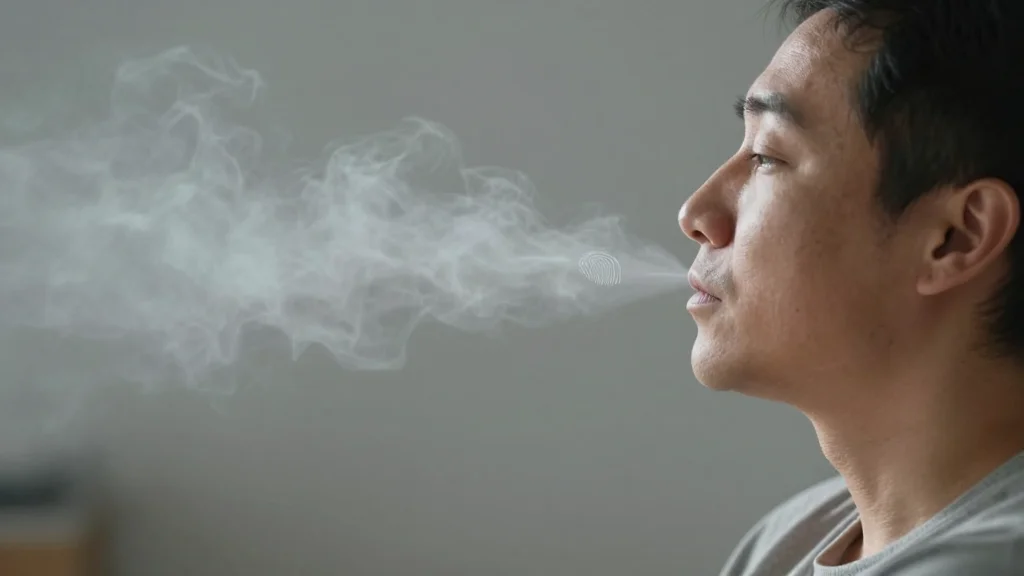
Your Breathing Pattern Is as Unique as a Fingerprint
Why It Matters
The work introduces a non‑invasive, continuously measurable biometric that could transform identity verification and remote health monitoring, especially for mental‑health and neurological conditions.
Key Takeaways
- •Nasal breathing patterns identify individuals with 96.8% accuracy
- •One‑day recordings remain reliable up to 23 months later
- •Respiratory signatures predict anxiety, depression, and BMI metrics
- •Study used 100 participants; 40 repeated recordings for longitudinal validation
- •Wearable nasal sensor could become a non‑invasive health monitor
Pulse Analysis
The discovery that nasal airflow carries a uniquely identifiable signature adds a new dimension to the biometric landscape, traditionally dominated by fingerprints, iris scans, and voice recognition. Unlike static physical traits, breathing is a dynamic physiological process that reflects real‑time neural activity. This makes it a compelling candidate for continuous authentication in security‑critical environments, where traditional methods can be spoofed or become inconvenient. Moreover, the high identification rate—comparable to established biometrics—positions respiratory data as a viable alternative for seamless, passive user verification.
The study’s methodology hinges on a discreet neck‑mounted device that captures bilateral airflow at six samples per second, feeding thousands of micro‑features into a deep‑learning model. By aggregating 20‑100 distinct breathing metrics—such as inhalation duration, pause length, and nostril asymmetry—the algorithm achieves robust person‑specific profiles that persist across months and even years. Crucially, the same data stream reveals subtle physiological signals: lower nighttime airflow volume, altered nostril dominance, and patterns linked to body‑mass index. Correlations with standardized anxiety, depression, and autism‑spectrum questionnaires suggest that respiratory fingerprints could serve as a passive window into mental‑health status, enabling early detection without active questionnaires.
Looking ahead, the technology could be integrated into consumer wearables or clinical monitoring platforms, offering a non‑invasive tool for tracking neurological health, stress levels, or disease progression. Challenges remain, including sensor comfort, data privacy, and the need for larger, more diverse cohorts to validate findings across age groups and health conditions. Nonetheless, the convergence of affordable sensor tech, advanced analytics, and a growing demand for continuous health insights makes nasal respiratory biometrics a promising frontier for both security and personalized medicine.
Your breathing pattern is as unique as a fingerprint
Comments
Want to join the conversation?
Loading comments...