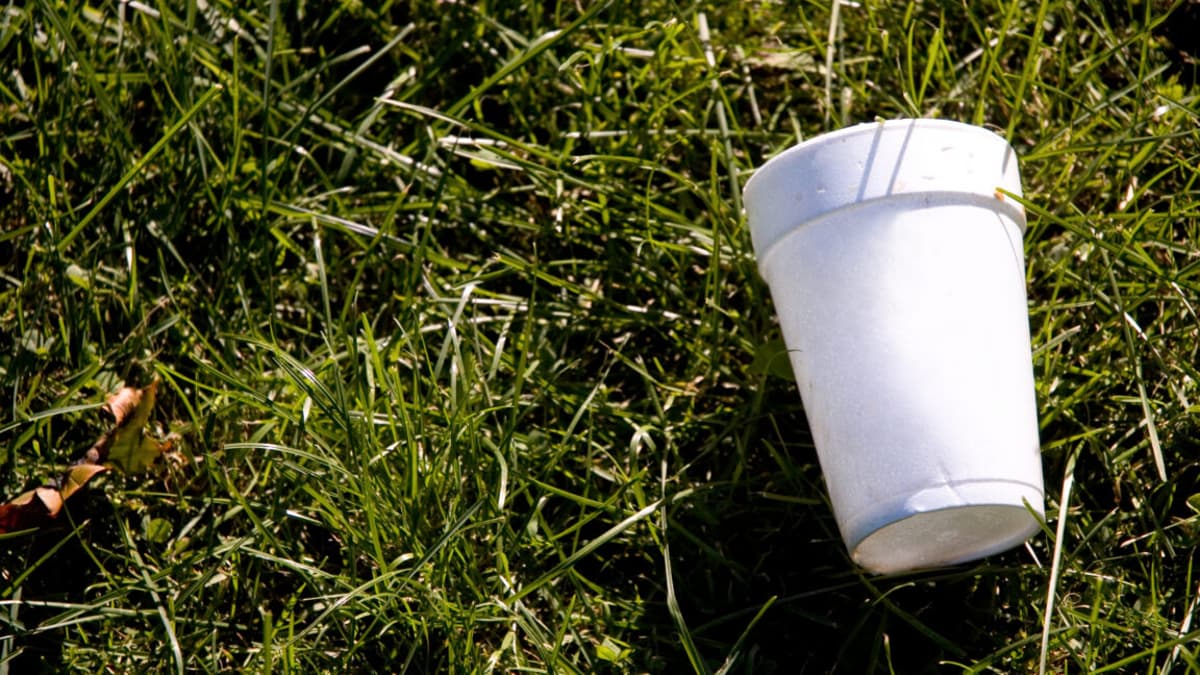
Your Empty Cuppa Could Capture Carbon
Why It Matters
Turning ubiquitous plastic waste into carbon‑capture media creates a dual environmental benefit and reduces dependence on fossil‑derived sorbents, potentially lowering emissions of CO₂ removal projects.
Key Takeaways
- •Polystyrene up‑cycled into solid amine sorbents for CO₂ capture
- •Gold‑catalyzed bromination followed by copper‑catalyzed amination
- •Material captures CO₂ in flue gas and ambient air
- •Matches performance of fossil‑based sorbents; urethane less effective
- •Creates market for plastic waste while aiding carbon removal
Pulse Analysis
Plastic pollution and climate change are intersecting crises that demand innovative solutions. Traditional carbon‑capture sorbents are manufactured from petroleum‑based feedstocks, adding to the overall carbon intensity of CO₂ removal. By repurposing polystyrene—one of the most common, yet poorly recycled, plastics—researchers provide a feedstock that is both abundant and low‑cost. The up‑cycling route not only diverts material from landfills but also embeds a carbon‑negative element into the capture process, aligning waste management with climate mitigation strategies.
The chemical pathway involves two catalytic steps. First, a gold catalyst attaches bromine atoms to the aromatic rings of polystyrene, activating the polymer for substitution. Next, a copper catalyst introduces a two‑carbon amine, replacing the bromine and grafting amine groups onto the polymer backbone. The resulting solid exhibits high surface area and tunable porosity, essential for rapid CO₂ adsorption and easy regeneration by heating or depressurization. Laboratory tests demonstrated that the material performs well under the high CO₂ concentrations typical of smokestacks and retains activity at ambient levels, a rare combination for solid sorbents. While similar up‑cycling of urethane foam produced less active sorbents, the polystyrene route proved robust across diverse waste items, from Styrofoam cups to Lego plates.
Commercializing this technology could reshape both the recycling and carbon‑capture markets. A steady supply of waste‑derived sorbents would lower material costs for direct‑air capture plants and retrofit existing flue‑gas scrubbers, accelerating deployment timelines. Moreover, the dual‑benefit narrative may attract policy incentives that reward waste diversion and emissions reduction simultaneously. Future research will need to scale the catalytic steps, assess lifecycle emissions, and explore integration with renewable energy sources to maximize the environmental payoff. If these hurdles are cleared, plastic‑derived amine sorbents could become a cornerstone of a circular economy that tackles waste and climate together.
Your empty cuppa could capture carbon
Comments
Want to join the conversation?
Loading comments...