
Key Takeaways
- •Wet markets increase coronavirus recombination opportunities
- •Illegal wildlife trade valued at $10 billion annually
- •Wildlife farming industry worth roughly $74 billion
- •Regulation better than bans to reduce spillover risk
- •Human encroachment on habitats raises future pandemic odds
Pulse Analysis
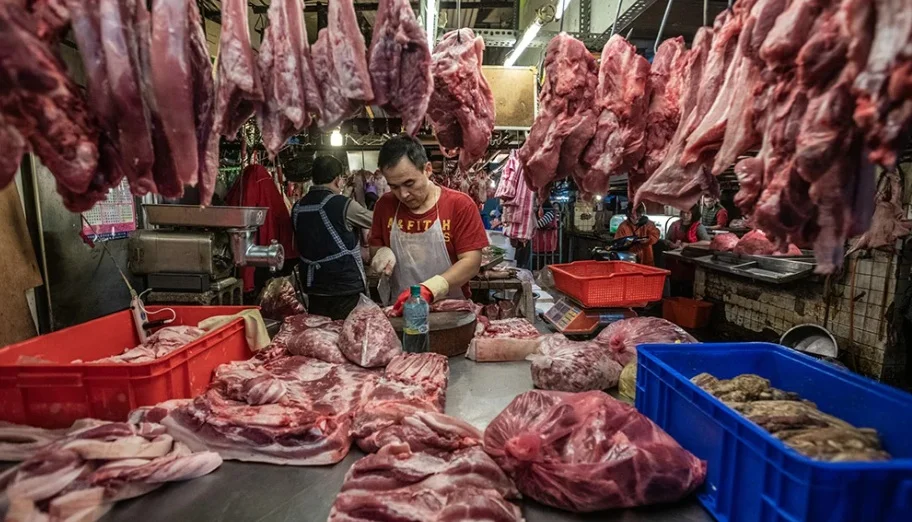
The convergence of diverse animal species in wet markets creates a perfect incubator for viral evolution. When stressed wildlife are packed together, pathogens can jump between species, recombine, and acquire traits that facilitate human infection. This dynamic is not limited to coronaviruses; it applies to a broad spectrum of zoonotic viruses, making dense, unsanitary markets a global health liability.
In response, China has taken visible steps: closing the Huanan market, tightening oversight of remaining wet markets, and proposing a six‑factor risk‑classification system. While these measures signal progress, the illegal wildlife trade—estimated at $8‑11 billion annually—has simply migrated online and underground, often under the guise of legal farming. Banning the trade outright without viable alternatives can exacerbate hidden operations, reducing transparency and increasing disease surveillance challenges.
Beyond market reforms, the broader trend of human expansion into natural habitats amplifies spillover risk. Deforestation, climate‑driven migration, and intensive livestock production bring humans into closer contact with wildlife reservoirs, driving a 5 % yearly rise in pandemic potential. A coordinated international framework that balances sustainable wildlife use, stringent biosecurity standards, and habitat preservation is essential to break the cycle and safeguard global health.
Zoonotic Spillover Is A Problem
Comments
Want to join the conversation?