People Behind the Science
864: Investigating How Brain Inflammation May Contribute to Compulsivity - Dr. Laura Bradfield
Why It Matters
Understanding the link between brain inflammation and compulsivity could open new avenues for treating a range of psychiatric and neurodegenerative disorders, many of which lack effective therapies. As inflammation is a common feature in conditions like Alzheimer's and depression, targeting it may offer broader, more personalized interventions, making this research especially timely for clinicians and patients seeking innovative solutions.
Key Takeaways
- •Neuroinflammation drives compulsive behavior in animal models
- •Hippocampal inflammation shows sex‑specific effects, unlike striatal inflammation
- •Boosting acetylcholine may rescue compulsivity caused by striatal inflammation
- •Translational focus: targeting inflammation for OCD, addiction, Parkinson’s
- •Persistence in academia likened to variable‑reinforcement learning
Pulse Analysis
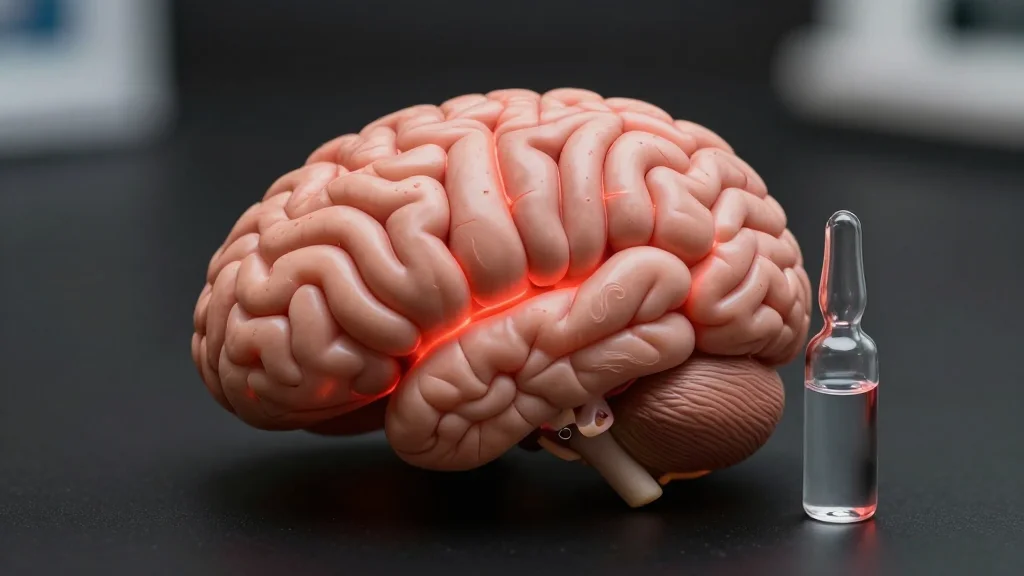
Dr. Laura Bradfield’s lab investigates how brain inflammation fuels compulsive behavior across disorders rather than modeling a single disease. Using rodent models, her team induces neuroinflammatory responses and monitors changes in decision‑making and flexibility. This trait‑focused approach bridges gaps between obsessive‑compulsive disorder, substance use, Parkinson’s and Huntington’s disease, offering a unified framework for studying compulsivity. Advanced tools such as optogenetics provide cellular precision, but the real insight comes from mimicking the inflammatory environment observed in patients, making the work highly relevant to clinical neuroscience and offers a platform for testing anti‑inflammatory compounds.
In the hippocampus, induced inflammation produces pronounced sex‑specific behavioral shifts, suggesting hormonal modulation could be a therapeutic avenue. By contrast, striatal inflammation does not display the same gender bias but impairs flexible cognition through disrupted acetylcholine signaling. Bradfield proposes that enhancing acetylcholine levels in the striatum may normalize compulsive actions in inflamed brains. These region‑dependent findings highlight the need for targeted, rather than blanket, anti‑inflammatory strategies and open new pathways for drug development aimed at restoring neurotransmitter balance in compulsive disorders. Such precision could reduce side effects compared with systemic drugs.
The episode also sheds light on the personal side of scientific discovery. Bradfield likens academic perseverance to variable‑reinforcement learning, where unpredictable successes—papers, grants, mentorship rewards—sustain motivation despite setbacks like lab relocations and funding cuts. Her emphasis on mentoring early‑career researchers underscores the broader impact of building resilient teams. By translating animal findings into potential treatments for OCD, addiction, and Parkinson’s disease, her work exemplifies how basic neuroscience can inform clinical interventions, making neuroinflammation a promising target for future therapeutic strategies. Ultimately, this research aims to improve patient quality of life worldwide.
Episode Description
Dr. Laura Bradfield is Senior Lecturer in the School of Psychology at The University of Sydney. In the lab, Laura studies the behavioral and brain mechanisms of compulsivity and compulsive disorders. Conditions like obsessive compulsive disorder, substance use disorder, Parkinson's disease, and Huntington's disease all have elements of compulsivity. Rather than focusing on one particular condition, Laura and her team are working on developing better animal models of compulsivity and understanding how inflammation in certain parts of the brain affects compulsive behaviors. Outside of research, Laura loves to sing, and she enjoys going out for karaoke with colleagues in the evenings during conferences. She is also a fan of CrossFit workouts and spending time with her 14-year-old daughter. Laura received her bachelor's degree with honors in psychology and her PhD in neuroscience from the University of New South Wales, Sydney. She conducted postdoctoral research at the University of Sydney and subsequently the University of New South Wales. Prior to joining the faculty at The University of Sydney, Laura served as a Lecturer at University of New South Wales and a Research Fellow and Senior Research Fellow at the University of Technology Sydney. In this interview, she shares more about her life and science.
Comments
Want to join the conversation?
Loading comments...