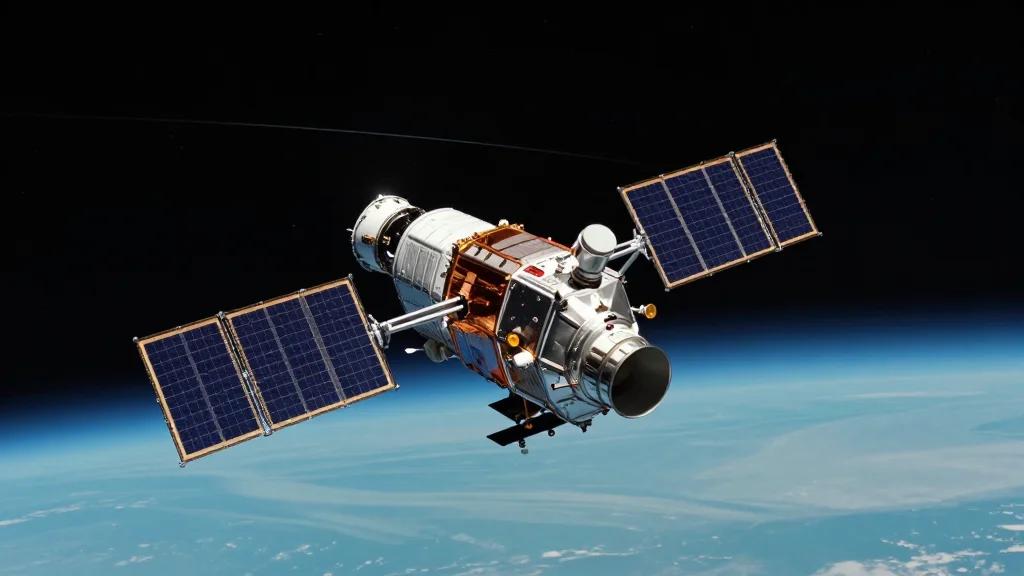
Amazon Asks FCC for Time Extension for Launching Its Leo Constellation
Companies Mentioned


Why It Matters
Meeting FCC milestones is crucial for Amazon to retain its orbital license and compete in the fast‑growing satellite broadband market. An extension could reshape launch‑partner dynamics and affect investor confidence.
Key Takeaways
- •Amazon has 181 Leo satellites launched
- •FCC deadline requires 1,616 satellites by July 2026
- •Amazon seeks 24‑month extension to July 2028
- •Delays stem from reliance on unproven launch vehicles
- •FCC may impose stricter launch timelines
Pulse Analysis
Amazon’s Leo constellation is entering a pivotal phase as it confronts the Federal Communications Commission’s 50% deployment deadline. With only 181 satellites in orbit after ten months of activity, the company trails the 1,616‑satellite target set for July 2026. The shortfall highlights the broader challenges of scaling a mega‑constellation, especially when launch schedules depend on emerging rockets such as Blue Origin’s New Glenn, ULA’s Vulcan and Ariane‑6. While SpaceX has already delivered three rapid launches, Amazon’s reliance on unproven vehicles has slowed its cadence, prompting the current waiver request.
Regulatory scrutiny intensifies as the FCC evaluates Amazon’s request for a 24‑month extension or a full waiver of the interim milestone. Historically, the commission has granted extensions when operators demonstrate unforeseen technical or supply‑chain hurdles, but it also leverages such moments to tighten future obligations. An approved extension could come with stricter launch‑rate requirements, compelling Amazon to diversify its launch portfolio or accelerate satellite manufacturing. The outcome will set a precedent for how the FCC balances industry growth with spectrum stewardship, influencing other entrants like OneWeb and Telesat.
For investors and industry observers, the extension request signals both risk and opportunity. A delayed rollout may erode confidence in Amazon’s ability to compete with SpaceX’s Starlink, which already commands a substantial market share. Conversely, securing the license and demonstrating a clear path to full deployment could bolster Amazon’s long‑term positioning in the broadband‑as‑a‑service arena. The company’s next steps—whether securing additional SpaceX launches, expediting satellite production, or negotiating new FCC terms—will be critical in determining Leo’s competitive viability and its impact on the broader satellite internet ecosystem.
Amazon asks FCC for time extension for launching its Leo constellation
Comments
Want to join the conversation?
Loading comments...