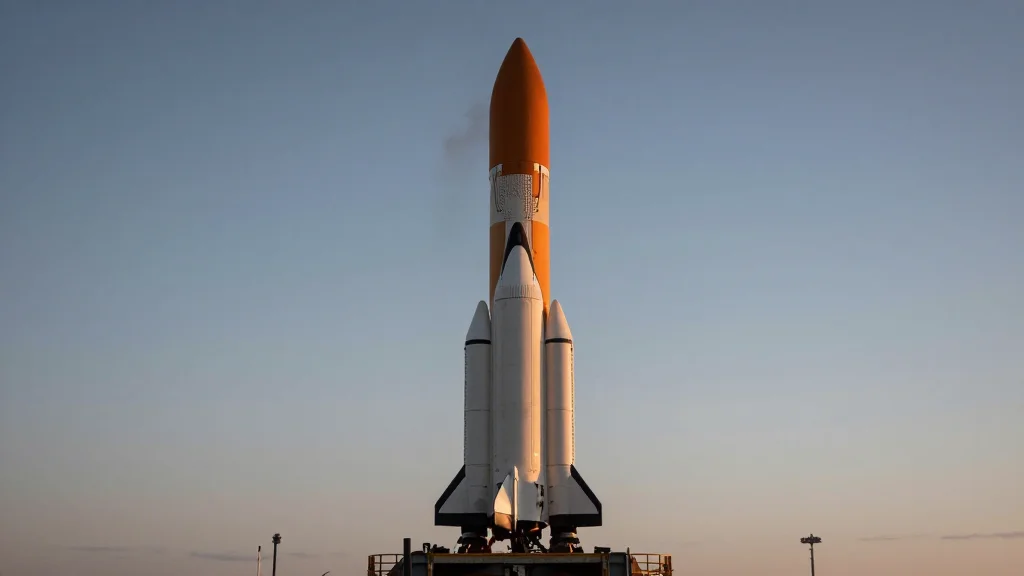
Blue Origin’s Next New Glenn Rocket Explodes During Static Fire Test on the Launchpad
Companies Mentioned


Why It Matters
The blast stalls Blue Origin’s heavy‑lift schedule, threatens Amazon’s satellite rollout, and disrupts NASA’s lunar launch plans, reshaping the commercial launch market.
Key Takeaways
- •New Glenn exploded during static fire, destroying first stage and launchpad
- •Launch delayed 3‑6 months, limiting Blue Origin's New Glenn schedule
- •Amazon must find alternative launch provider for 1,616 Leo satellites
- •SpaceX likely to become Amazon's primary launch partner for Leo constellation
- •NASA lunar lander missions on New Glenn postponed, affecting upcoming schedules
Pulse Analysis
The static‑fire test of Blue Origin’s New Glenn on May 28 ended in a dramatic explosion that destroyed the vehicle’s first stage and the company’s sole launch pad. While Blue Origin confirmed all personnel were safe, the loss of hardware means the next flight, slated for June 4, is now postponed. Engineers will need weeks to secure the site, investigate the failure, and rebuild the stage, pushing the earliest possible launch window back three to six months. The incident will also affect investor confidence.
Amazon’s Project Leo, which must deploy 1,616 low‑Earth‑orbit satellites by July to satisfy its FCC license, now faces a severe bottleneck. With New Glenn grounded and United Launch Alliance’s Vulcan also delayed, the retailer’s only viable alternative is SpaceX, whose Falcon 9 has already delivered three Leo payloads. Negotiations are expected to accelerate, but SpaceX’s crowded manifest and its own Starlink commitments could limit launch slots. A regulatory waiver from the FCC may buy time, yet the cost and schedule pressure on Amazon remain substantial. Amazon may also consider secondary launch contracts.
The setback also ripples through NASA’s lunar exploration timetable. Blue Origin’s Blue Moon Mark‑1 lander, scheduled for an unmanned launch on a New Glenn this year, and the follow‑on Viper rover mission slated for next year, must now be rescheduled or reassigned to another heavy‑lift vehicle. This delay could compress NASA’s procurement schedule and open opportunities for competitors such as SpaceX or ULA. In the broader market, the incident reminds investors that launch reliability remains a key differentiator among commercial providers. Stakeholders will watch closely for recovery timelines.
Blue Origin’s next New Glenn rocket explodes during static fire test on the launchpad
Comments
Want to join the conversation?
Loading comments...