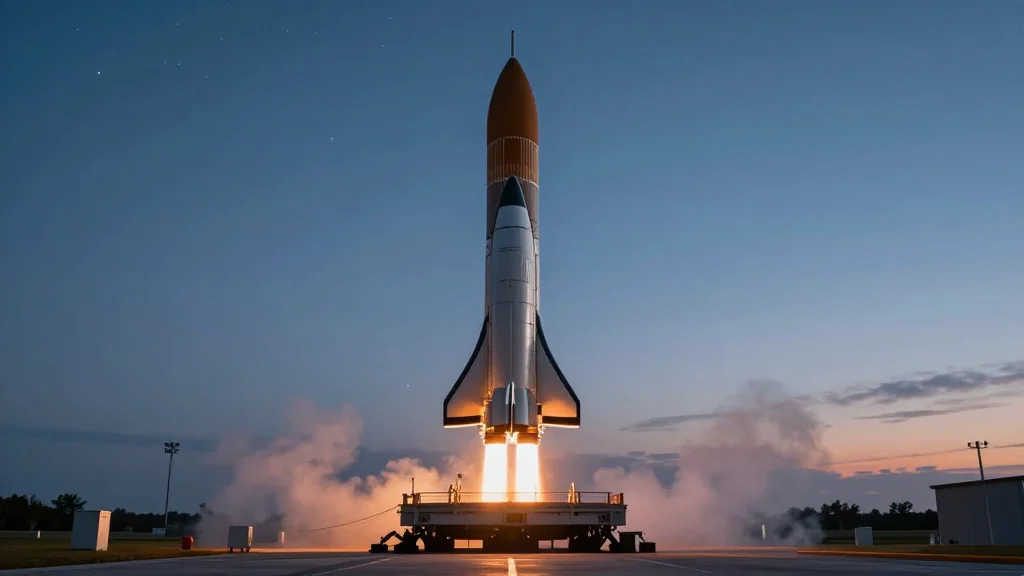
Chinese Pseudo-Company Launches Its Expendable Zhuque-2 Rocket
Companies Mentioned
Why It Matters
The flight proves China’s capability in methane propulsion, diversifying launch options and intensifying competition with SpaceX. It also signals growing private‑sector strength in China’s space industry, potentially lowering launch costs.
Key Takeaways
- •Zhuque‑2 achieved first methane‑fuelled orbital launch globally
- •Rocket is expendable; Zhuque‑3 targets reusable stage
- •China logged 26 launches in 2026, second after SpaceX
- •Landspace expands China’s commercial launch market
- •Failed Zhuque‑3 landing highlights reusability challenges
Pulse Analysis
The successful flight of Landspace’s Zhuque‑2 marks a milestone in propulsion technology, as it becomes the world’s first methane‑fuelled rocket to reach orbit. Methane offers higher specific impulse than kerosene and can be sourced more sustainably, a factor that has driven SpaceX’s development of its Starship vehicle. By proving the concept on an expendable platform, Landspace demonstrates that Chinese firms can master this emerging propellant, potentially lowering launch costs and reducing reliance on traditional RP‑1 engines. The achievement also signals a shift toward greener launch solutions across the global aerospace sector.
Landspace, founded in 2015, has rapidly moved from sub‑orbital tests to full‑scale orbital missions, positioning itself as a key player in China’s burgeoning private launch ecosystem. The Zhuque‑2 launch from Jiuquan Spaceport underscores the Chinese government’s growing tolerance for commercial operators, while the company’s parallel work on the larger, reusable Zhuque‑3 reflects an ambition to compete with SpaceX’s reusable fleet. Although Zhuque‑3’s first‑stage landing attempt failed, the data gathered will inform iterative design improvements, and the firm plans another test before summer, keeping its development timeline aggressive.
The broader market impact is significant. With SpaceX still commanding 56 launches in 2026, China’s 26 missions—bolstered by private entrants like Landspace—tighten the competitive landscape and provide more launch slots for the expanding constellation of small‑satellite operators. A successful methane‑based launch could attract customers seeking lower‑cost, environmentally friendlier access to orbit, especially as satellite constellations prioritize sustainability. If Landspace perfects reusability with Zhuque‑3, it could challenge the cost advantage held by Western providers, reshaping pricing dynamics and accelerating innovation across the global launch industry.
Chinese pseudo-company launches its expendable Zhuque-2 rocket
Comments
Want to join the conversation?
Loading comments...