Commercial Vendors Tout Tech Roles in Artemis 2 Mission
Companies Mentioned
Why It Matters
Commercial partnerships cut costs and boost mission reliability, accelerating NASA’s timeline for a sustainable lunar presence. The model sets a precedent for how government agencies can leverage private‑sector innovation to achieve ambitious space objectives.
Key Takeaways
- •AWS GovCloud handled Artemis 2 trajectory calculations and data transmission.
- •Rocket Lab’s advanced solar cells delivered ~16 kW for Orion’s systems.
- •AT&T provided redundant ground communication circuits for launch operations.
- •FirstNet deployed portable network assets to support NASA emergency responders.
- •NASA’s budget request emphasizes expanding commercial partnerships for lunar missions.
Pulse Analysis
The Artemis 2 crewed flyby marked a turning point in how NASA sources critical mission capabilities, turning to commercial cloud providers for high‑performance computing. By running trajectory analysis on AWS GovCloud, NASA accessed scalable, secure resources that delivered sub‑second precision during the mission’s first 48 hours. This partnership not only reduced the need for dedicated on‑site supercomputers but also demonstrated the viability of cloud‑based spaceflight operations, a trend that could reshape future deep‑space missions.
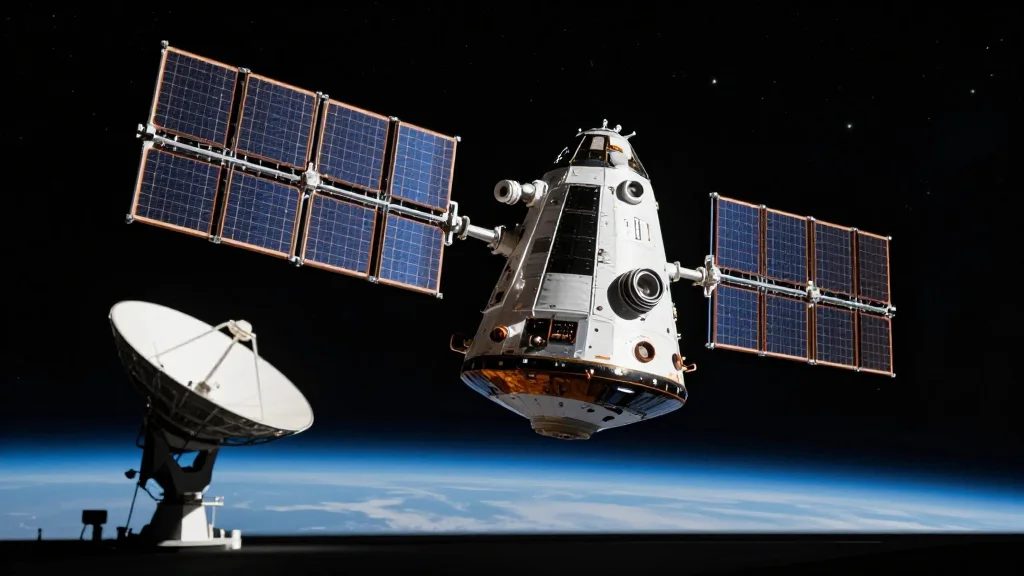
Advanced solar technology from Rocket Lab illustrated another commercial win. The new solar cells, more efficient than traditional silicon panels, supplied roughly 16 kilowatts—enough to power Orion’s propulsion, thermal control, and life‑support systems. Their radiation‑hard design ensures durability from launch through re‑entry, addressing a long‑standing challenge for spacecraft power. Meanwhile, AT&T’s role in establishing redundant terrestrial and radio‑wave communication pathways eliminated single points of failure, guaranteeing continuous data flow between Kennedy Space Center and the Orion crew. FirstNet’s deployable network assets further bolstered on‑site resilience, providing emergency responders with a dedicated, high‑capacity link during launch activities.
Looking ahead, NASA’s recent budget request signals an institutional commitment to expanding these collaborations as Artemis 3 and subsequent lunar base initiatives take shape. By leveraging commercial cost efficiencies and cutting‑edge innovations, the agency can allocate more resources to mission‑critical research and infrastructure. This approach also stimulates the aerospace supply chain, encouraging startups and established firms alike to invest in space‑grade technologies, ultimately accelerating the timeline for a sustainable human presence on the Moon.
Commercial Vendors Tout Tech Roles in Artemis 2 Mission
Comments
Want to join the conversation?
Loading comments...