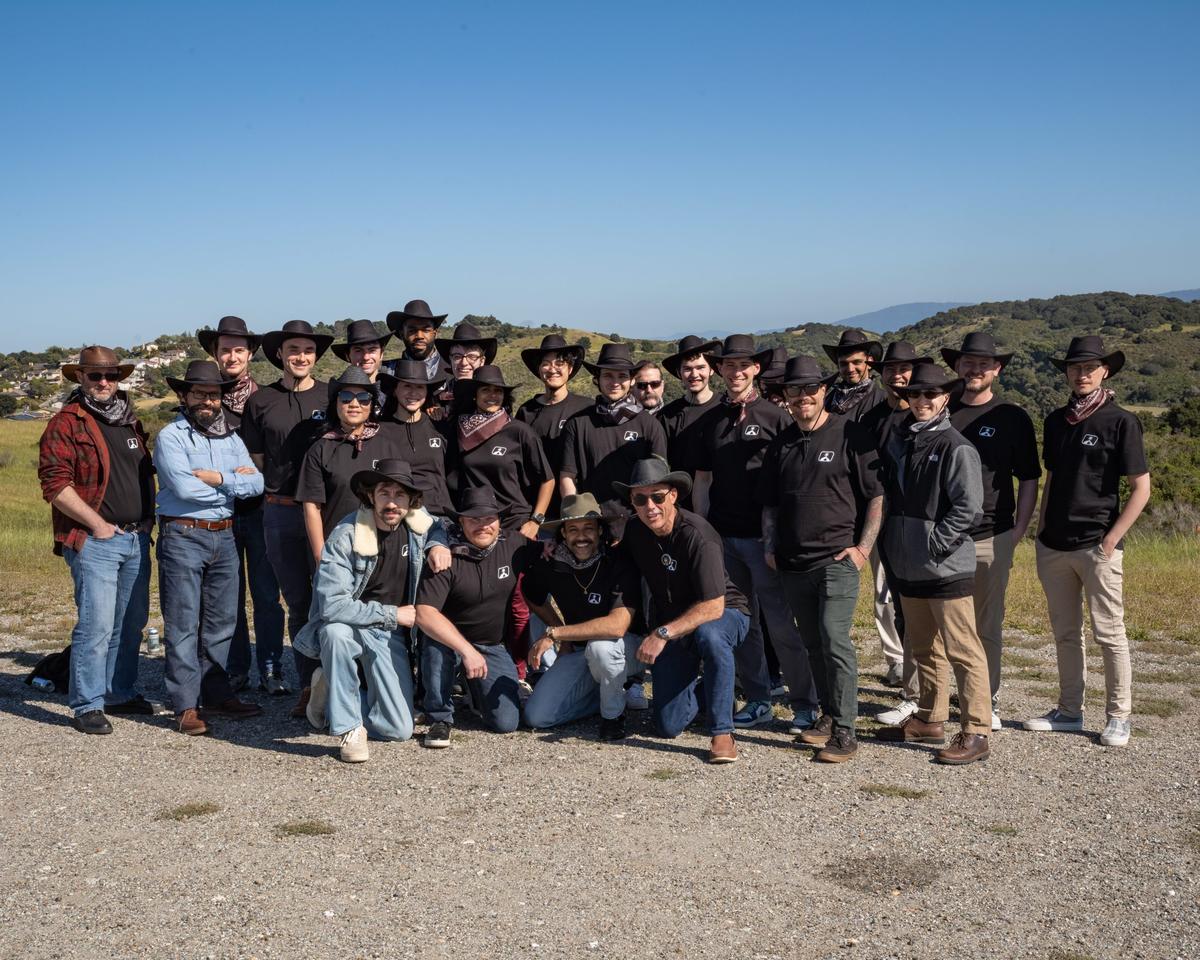
Cowboy Raises $275 Million to Build Rockets with Orbital Data Center Upper Stages
Companies Mentioned





Why It Matters
By merging launch hardware with in‑orbit compute, Cowboy could unlock a new supply of AI‑grade processing power beyond Earth’s energy and cooling limits, reshaping the data‑center market. The funding surge signals strong investor confidence that orbital compute will become a critical infrastructure layer for next‑generation AI workloads.
Key Takeaways
- •Cowboy raised $275 M Series B, reaching $2 B valuation
- •Upper‑stage rockets will double as LEO data‑center platforms
- •First orbital AI compute node slated for launch in late 2026
- •Vertical integration aims to cut mass, boost power‑to‑compute efficiency
Pulse Analysis
The race to place data centers in orbit is gaining momentum as terrestrial AI workloads outstrip existing power and cooling capacities. Investors are betting that space‑based solar power, paired with high‑altitude compute, can deliver megawatts of clean energy directly to processors, eliminating the need for massive ground‑based cooling infrastructure. Cowboy’s approach—designing the launch vehicle and its upper stage as a single, purpose‑built compute platform—offers a potential cost advantage by removing redundant mass and simplifying integration, a concept that could set a new industry standard if proven at scale.
Technical execution will be the decisive factor. Cowboy plans to use a hybrid rocket that sits between SpaceX’s Falcon 9 and Starship in size, targeting 20,000‑25,000 kg payload capacity. By embedding power generation, radiators, and AI‑optimized GPUs within the same structure, the company hopes to achieve a higher power‑to‑compute ratio than traditional satellite buses. Early tests will focus on infrared laser power beaming to validate the physics of delivering energy from LEO to Earth, while the subsequent "Galactic Brain" mission will showcase NVIDIA’s Space‑1 modules operating in microgravity. Success would demonstrate that orbital compute can be both energy‑rich and thermally managed without relying on conventional cooling fluids.
Market dynamics suggest a fertile environment for such innovation. Competitors like Starcloud are already courting SpaceX’s Starship for launch services, while other startups explore optical power‑beaming constellations. Yet Cowboy’s vertically integrated model could reduce dependency on external launch providers and accelerate iteration cycles. If the company can deliver reliable, reusable upper‑stage data centers, it may attract AI firms seeking low‑latency, high‑throughput compute that sidesteps Earth‑bound bottlenecks, potentially reshaping the economics of cloud services and opening a new frontier for satellite‑based infrastructure.
Cowboy raises $275 million to build rockets with orbital data center upper stages
Comments
Want to join the conversation?
Loading comments...