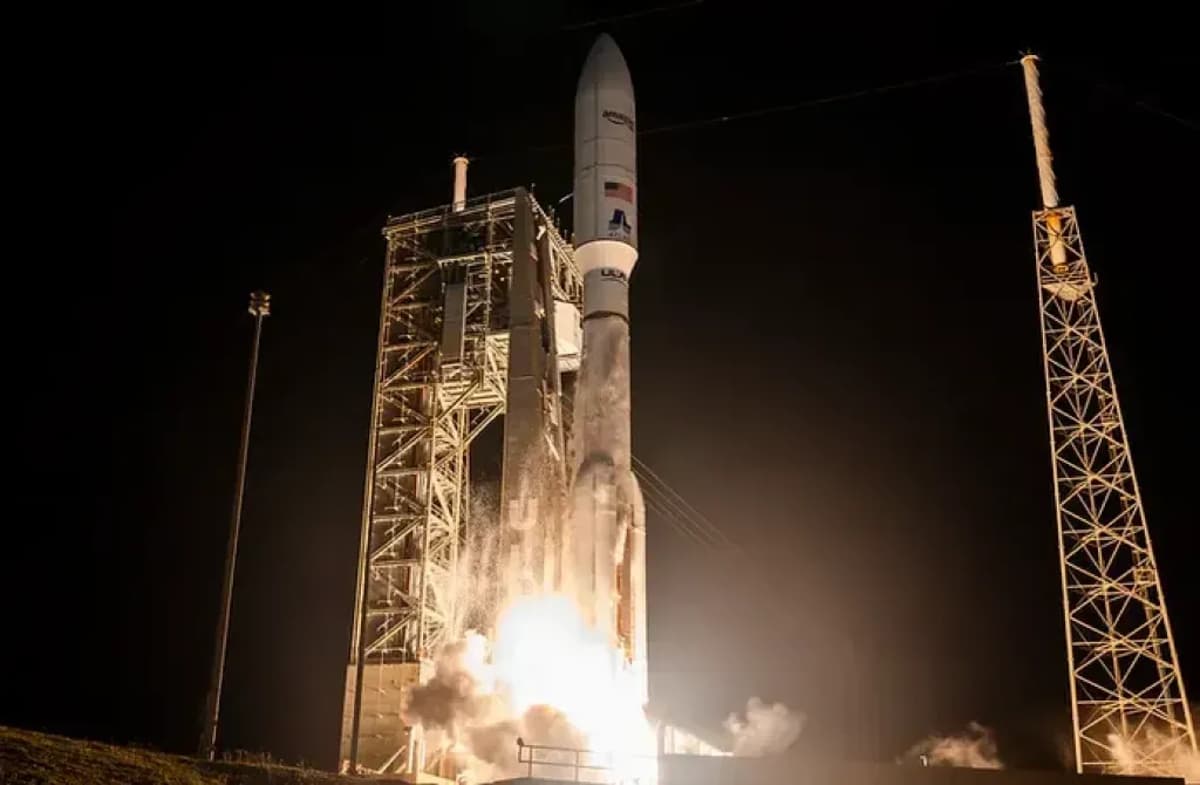
FCC Grants Key Waiver to Amazon Leo, Keeping Competitive Pressure on Musk’s Starlink
Companies Mentioned
Why It Matters
The decision preserves competitive pressure on SpaceX, which could spur lower prices and better service for American broadband users, while keeping the United States at the forefront of LEO satellite innovation.
Key Takeaways
- •FCC grants Amazon Leo limited waiver to continue Gen1 launches
- •Amazon has 331 satellites; aims 700 by July 2026, short
- •Waiver aims to foster competition against SpaceX’s Starlink monopoly
- •Delay may push Amazon toward faster next‑gen satellite rollout
- •FCC cites public interest in affordable, high‑quality broadband
Pulse Analysis
The Federal Communications Commission’s recent waiver for Amazon’s Leo project marks a pivotal regulatory moment in the U.S. satellite broadband arena. By allowing Amazon to continue deploying its first‑generation low‑Earth‑orbit (LEO) constellation despite missing the mandated half‑fleet deadline, the FCC signals a willingness to prioritize market competition over strict timetable compliance. This move follows a broader policy trend that seeks to diversify the provider landscape, which currently relies heavily on SpaceX’s Starlink for consumer LEO service. The waiver underscores the agency’s belief that a second major player can drive innovation, improve service quality, and lower costs for end users.
From a business perspective, the waiver could reshape pricing dynamics and investment strategies across the sector. Amazon’s Leo, projected to cost roughly $10 billion, promises to leverage Amazon’s extensive logistics and cloud infrastructure to offer bundled broadband packages that may undercut Starlink’s rates. The competitive pressure may also accelerate the rollout of next‑generation satellite technologies, as Amazon looks to close the gap between its current 331‑satellite fleet and the 1,616‑satellite benchmark originally set by the FCC. Investors are watching closely, recognizing that a viable dual‑constellation market could unlock new revenue streams for both satellite operators and downstream service providers.
Looking ahead, the waiver sets the stage for Amazon to pivot toward its upcoming Gen2 satellites, which are expected to deliver higher throughput and lower latency. However, the company must navigate technical hurdles, launch capacity constraints, and ongoing regulatory scrutiny. If Amazon can meet or exceed the revised deployment targets, it will not only solidify its foothold in the broadband market but also reinforce the United States’ leadership in space‑based communications. The broader industry will likely see heightened collaboration and competition, fostering a more resilient and consumer‑focused broadband ecosystem.
FCC Grants Key Waiver to Amazon Leo, Keeping Competitive Pressure on Musk’s Starlink
Comments
Want to join the conversation?
Loading comments...