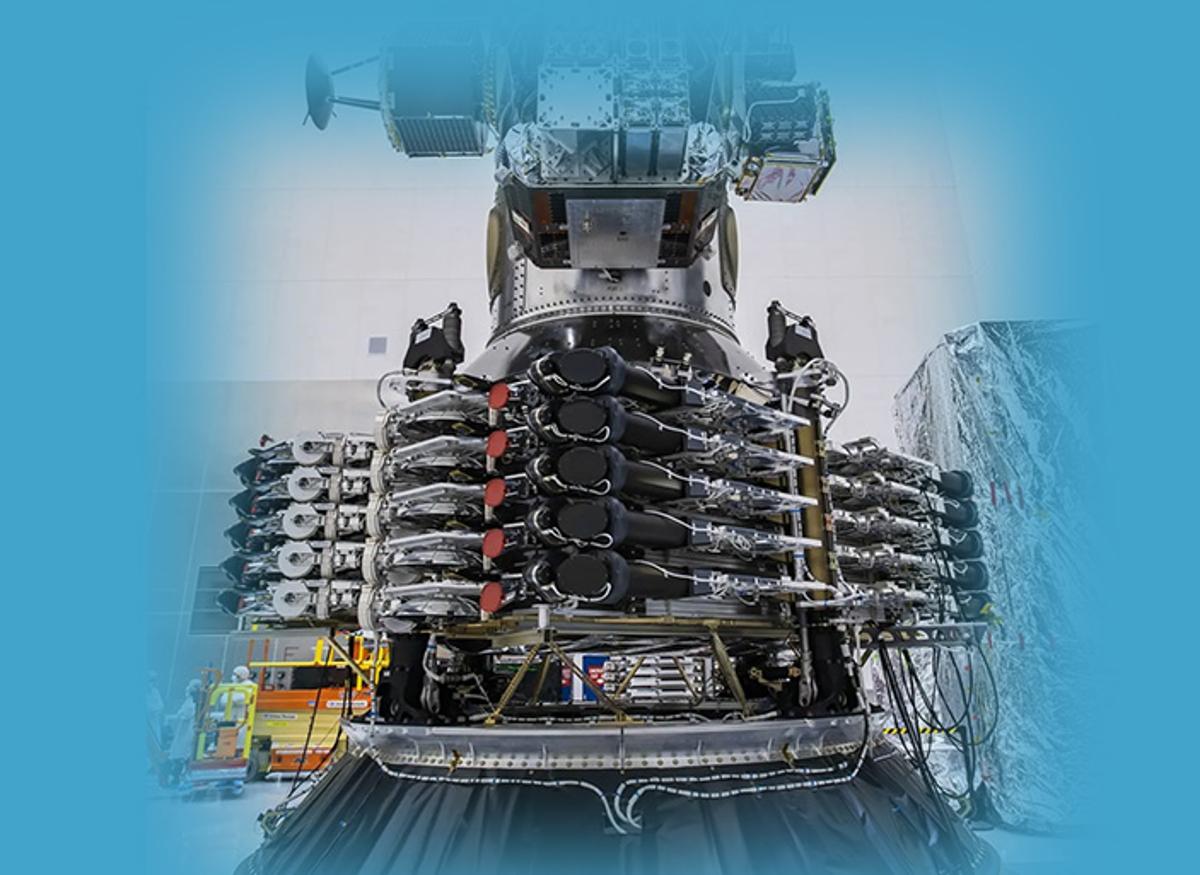
If You Thought Space Was Hard Try to Get Your Satellite On a Rocket
Companies Mentioned


Why It Matters
Direct booking erodes broker margins while large buyers and dominant launchers tighten control, reshaping pricing power and competitive dynamics in the fast‑growing satellite launch market.
Key Takeaways
- •SpaceX lowered rideshare threshold to 50 kg, cutting broker role
- •Brokers now sell deployment hardware and orbital‑tug services to stay relevant
- •Amazon’s Kuiper pre‑bought 83 heavy‑lift launches, crowding out competitors
- •FTC antitrust scrutiny is rising as launch capacity becomes a market commodity
Pulse Analysis
The rise of digital marketplaces and SpaceX’s self‑service portal has democratized access to launch slots for small satellite operators. By reducing the minimum payload to 50 kg, SpaceX eliminates the need for a middleman, forcing traditional rideshare brokers to reinvent their value proposition. Today’s brokers compete on ancillary services—custom deployment mechanisms, orbital transfer vehicles, and end‑to‑end regulatory compliance—rather than merely aggregating capacity. This evolution mirrors freight forwarding in maritime logistics, where value now lies in specialized handling rather than simple transport.
Concurrently, market concentration is intensifying. Mega‑constellation players like Amazon’s Project Kuiper have pre‑purchased dozens of heavy‑lift launches, effectively locking out rivals from legacy providers such as ULA and Arianespace. At the same time, SpaceX’s contractual clauses granting a right of first refusal give it a de‑facto monopoly over price negotiations, squeezing smaller launch firms and downstream operators. These dynamics have drawn the attention of antitrust watchdogs, who are grappling with how traditional competition law applies to orbital capacity—a commodity that historically lacked clear regulatory oversight.
Looking ahead, the industry’s trajectory will hinge on how regulators respond and how niche players differentiate themselves. If the FTC tightens enforcement, we may see a resurgence of independent brokers offering transparent pricing and flexible contracts. Meanwhile, emerging launch providers—Rocket Lab, Firefly, and others—could gain traction by targeting specific orbits or offering rapid‑response services that larger players cannot match. The balance between consolidation and competition will shape launch pricing, innovation cycles, and ultimately the pace at which the satellite economy expands.
If You Thought Space Was Hard Try to Get Your Satellite On a Rocket
Comments
Want to join the conversation?
Loading comments...