Industry Builds the Case Around Architecture Options for Orbital Data Centers
Companies Mentioned
Why It Matters
Orbital data centers could alleviate terrestrial power, location, and security constraints while providing a new hybrid Earth‑space compute layer, reshaping cloud economics and resilience.
Key Takeaways
- •Launch costs dropped from $56k/kg to $2.8k/kg, enabling viability
- •Solar power in LEO offers near‑limitless low‑cost energy for compute
- •Companies target secure, immutable storage and AI workloads in space
- •Distributed satellite compute requires new orchestration algorithms and thermal solutions
Pulse Analysis
The economics of space‑based data centers are finally aligning with market demand. Over the past decade, launch pricing has collapsed from roughly $56,000 per kilogram to about $2,800 per kilogram, a reduction driven by reusable rockets and the upcoming cadence of Starship missions. Coupled with the virtually endless solar energy available in low‑Earth orbit, these cost dynamics make it feasible to host high‑performance compute workloads outside the constraints of terrestrial real estate, power grids, and regulatory zoning.
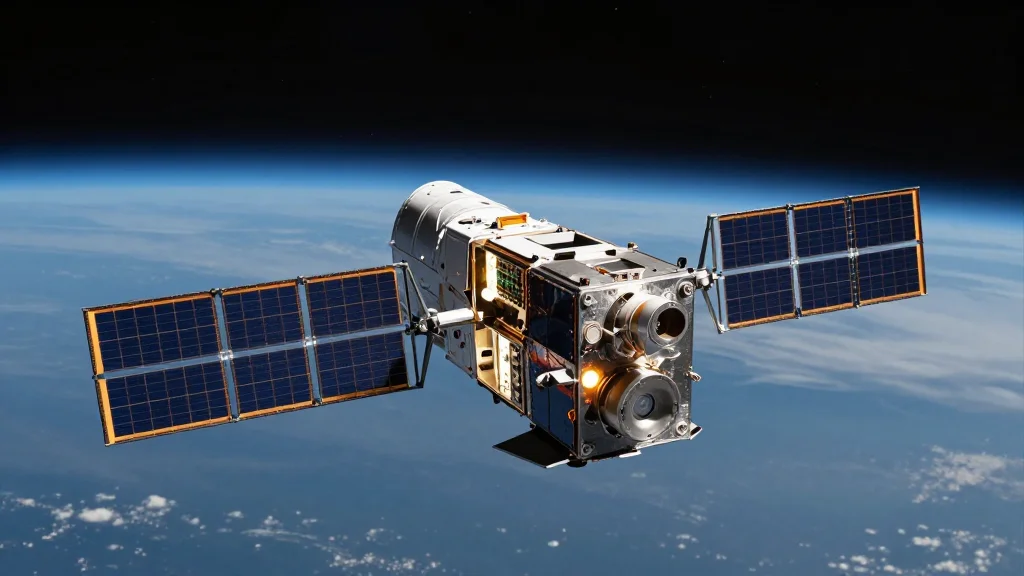
Architecturally, developers are exploring two divergent paths: a centralized hub on a space‑station‑style platform versus a distributed mesh of compute‑enabled satellites. The former emphasizes hardware maintenance and radiation shielding, while the latter relies on sophisticated orchestration algorithms to synchronize processing across dozens of nodes. Thermal management emerges as the primary engineering hurdle; without conventional heat pumps, designers must engineer servers that shed heat passively or use innovative radiators. Companies such as Sophia Space and Lonestar Data Holdings are prototyping radiation‑hardened storage modules and low‑mass, high‑efficiency processors to meet these constraints, signaling a maturing technology stack.
If the projected launch cadence materializes, the next three to five years could see a hybrid Earth‑space cloud architecture where orbital nodes complement ground data centers, offering ultra‑secure, immutable storage for critical workloads and off‑peak AI training capacity. This model promises to reduce latency for global users, diversify risk against terrestrial disruptions, and open new revenue streams for cloud providers willing to invest in space‑grade infrastructure. As investors and enterprises watch these pilots, the industry is poised to redefine the boundaries of cloud resilience and scalability.
Industry Builds the Case Around Architecture Options for Orbital Data Centers
Comments
Want to join the conversation?
Loading comments...