Companies Mentioned


Why It Matters
If SLS encounters additional setbacks, NASA could miss its lunar‑window, prompting Congress to reassess the program’s viability versus emerging commercial alternatives. The outcome will shape U.S. lunar strategy and budget allocations for the next decade.
Key Takeaways
- •Isaacman calls SLS fastest but not most economical path.
- •SLS flight rate lowest among NASA vehicles, raising concerns.
- •Recent wet dress rehearsal halted due to hydrogen fuel leak.
- •Additional rehearsals may push Artemis‑2 launch beyond March window.
- •Delays could pressure Congress to reconsider SLS versus Starship.
Pulse Analysis
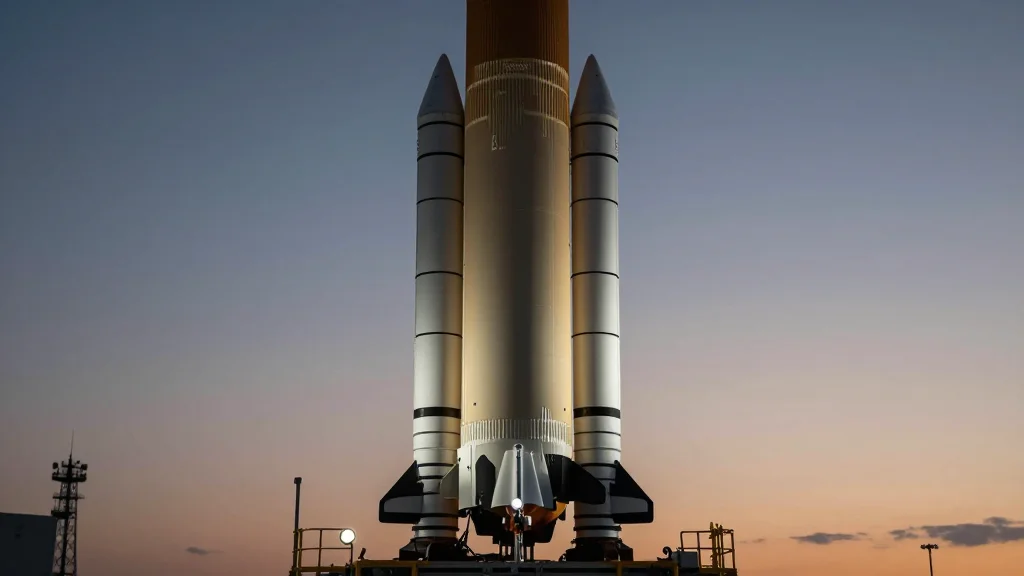
The tension between NASA’s legacy launch system and commercial heavy‑lift rockets has sharpened as the Artemis‑2 mission approaches. Isaacman’s candid acknowledgment of SLS’s cost and cadence issues underscores a growing awareness within the agency that the program’s heritage design may no longer align with modern launch economics. While SLS offers a proven, if expensive, pathway to the Moon, its multi‑year turnaround between flights hampers flexibility, especially when political timelines demand rapid progress.
Recent wet‑dress rehearsal failures, notably the hydrogen fuel leak that forced an early termination, illustrate the operational fragility of the SLS/Orion stack. Each additional rehearsal not only consumes scarce resources but also compresses the narrow launch window for Artemis‑2. Should further anomalies arise, NASA may be forced to postpone the mission into a later window, eroding confidence among stakeholders and potentially jeopardizing the broader Artemis V schedule.
In contrast, SpaceX’s Starship/Super Heavy system is positioning itself as a high‑frequency, low‑cost alternative, with multiple test flights slated within months. This stark performance differential is likely to intensify congressional scrutiny of SLS funding, especially as the administration seeks to outpace China’s lunar ambitions. Isaacman’s subtle pressure for a flawless countdown could be a strategic move to catalyze policy debate, urging lawmakers to consider a transition toward more sustainable launch architectures for future lunar and deep‑space endeavors.
Isaacman: SLS stands on very thin ice
Comments
Want to join the conversation?
Loading comments...