NASA Adds Three Uncrewed Lunar Missions to 2026 Schedule

Companies Mentioned

Why It Matters
The three uncrewed missions represent a tangible step toward NASA’s long‑term goal of a permanent lunar base, a cornerstone of the agency’s Artemis strategy. By expanding the data set on lunar resources, surface conditions, and communications, the missions reduce technical uncertainty for future crewed landings and habitat construction. At the same time, the Blue Origin New Glenn explosion underscores the fragility of the commercial launch ecosystem that underpins Artemis. A delayed or cancelled launch could ripple through NASA’s schedule, potentially pushing back crewed milestones and affecting downstream projects such as the Lunar Gateway and Mars‑bound missions. For the broader SpaceTech industry, the announcement signals continued government demand for launch services, sensor payloads, and lunar‑specific hardware. Companies that can provide reliable, cost‑effective launch options or lunar‑focused technologies stand to benefit from the increased cadence of missions. Conversely, the setback at Blue Origin may accelerate investment in alternative heavy‑lift solutions, reshaping the competitive dynamics among U.S. launch providers.
Key Takeaways
- •NASA announced three uncrewed lunar missions for 2026 to support Artemis and a 2029 permanent moon base
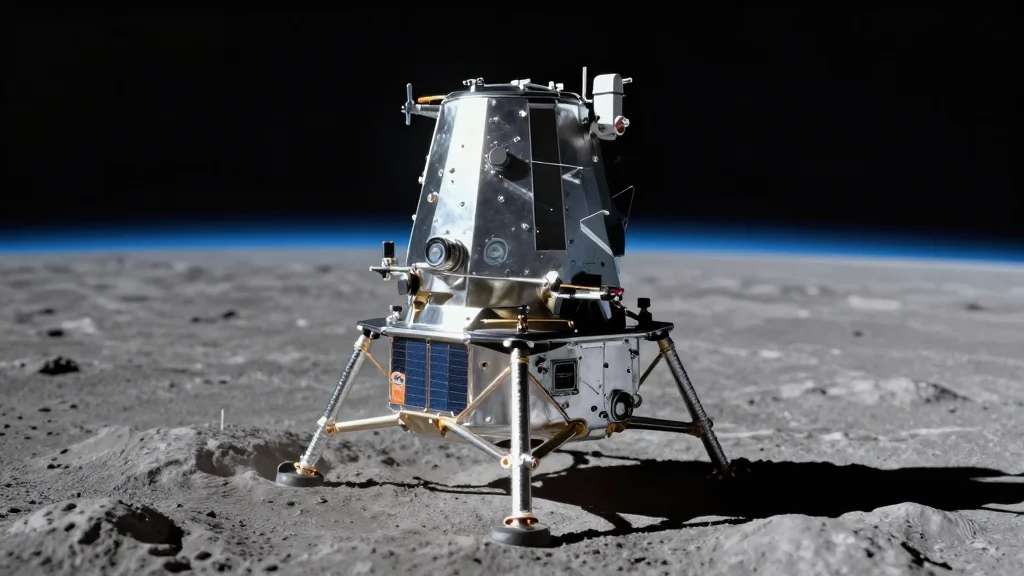
- •Missions include a polar reconnaissance satellite, a surface‑mapper lander, and a far‑side communications relay
- •NASA Administrator Jared Isaacman said the agency will evaluate near‑term impacts to Artemis
- •Blue Origin’s New Glenn rocket exploded during a static‑fire test, delaying its lunar lander launch
- •NASA recently awarded Blue Origin a contract worth hundreds of millions for moon‑base rovers and landers
Pulse Analysis
NASA’s decision to add three uncrewed lunar missions in 2026 reflects a strategic pivot toward data‑rich, low‑risk assets that can be delivered on existing commercial launch slots. Historically, NASA has relied on a mix of government‑owned rockets and commercial partners to fill gaps in its launch manifest. The recent New Glenn explosion highlights the risk of over‑reliance on a single heavy‑lift provider, especially as the Artemis program’s schedule tightens.
From a market perspective, the announcement is likely to boost demand for satellite‑bus manufacturers, lunar‑surface instrumentation, and high‑throughput communications payloads. Companies that have already qualified hardware for NASA’s lunar environment—such as those offering radiation‑hardened electronics or autonomous navigation—will see a surge in procurement opportunities. Meanwhile, launch providers like SpaceX and ULA are poised to capture additional flight slots, potentially driving down launch costs through increased competition.
Looking forward, the key variable will be how quickly Blue Origin can recover its launch capability. If the investigation and pad reconstruction extend beyond the next 12 months, NASA may need to re‑allocate the New Glenn‑dependent lander to an alternative vehicle, which could introduce integration delays and additional cost. The agency’s willingness to issue a supplemental RFP suggests it is preparing for such a scenario, reinforcing the importance of a diversified launch ecosystem for national space ambitions.
NASA adds three uncrewed lunar missions to 2026 schedule
Comments
Want to join the conversation?
Loading comments...