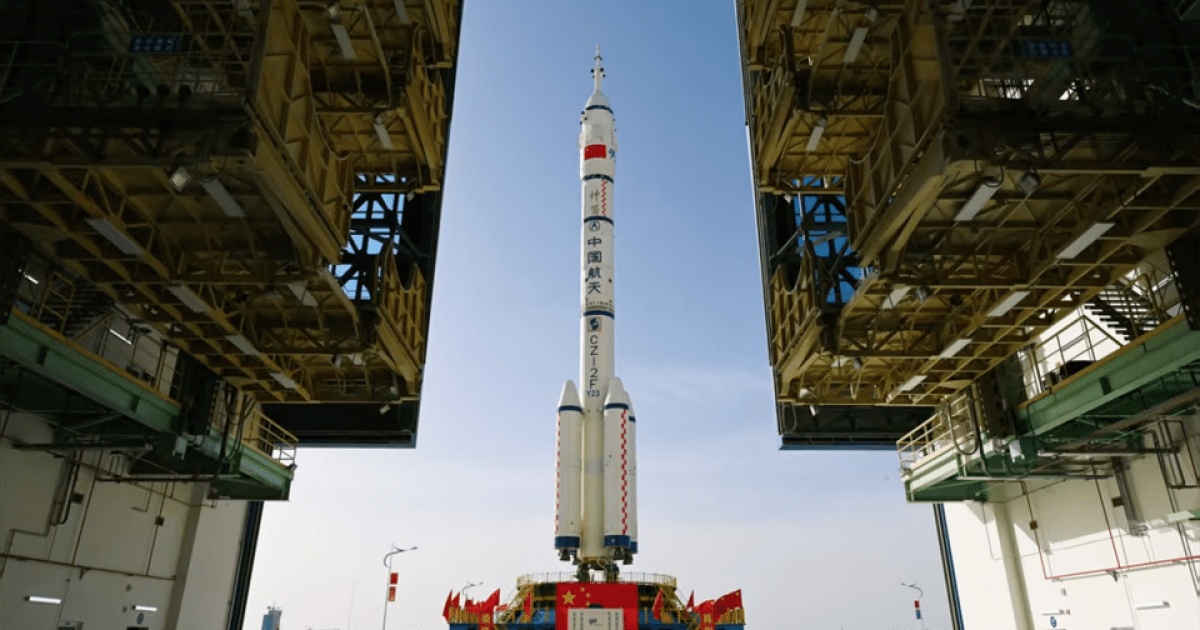
SpaceX, China Set for Busy Launch Week
Companies Mentioned
Why It Matters
The flurry of launches accelerates the race to dominate global satellite‑internet markets, with China’s new Long March variants and SpaceX’s expanding Starlink fleet vying for market share. Rapid deployment also raises concerns about orbital congestion and spectrum interference.
Key Takeaways
- •China’s Long March 12B debuted, delivering 20,000 kg payload for Qianfan constellation.
- •SpaceX schedules three Starlink launches this week, using Falcon 9 boosters and droneships.
- •Long March 6A, 8, and 2D missions add to China’s rapid launch cadence.
- •Starlink’s continued deployment pushes its megaconstellation toward 15,000‑satellite goal.
Pulse Analysis
China’s debut of the Long March 12B signals a strategic upgrade to its launch arsenal. The two‑stage, 72‑meter vehicle combines nine LOX‑kerosene engines and a 20‑ton payload capacity, positioning it to service the rapidly growing Qianfan broadband constellation, which aims for 15,000 satellites. Although the maiden flight did not attempt recovery, the design’s reusability hints at future cost reductions and a more competitive stance against Western providers, reinforcing Beijing’s ambition to become a dominant launch service exporter.
SpaceX’s aggressive schedule this week underscores its commitment to cementing Starlink’s market leadership. Three Falcon 9 missions will loft additional satellites, with boosters slated for drone‑ship landings, demonstrating the company’s operational efficiency and low‑cost turnaround. The cadence not only expands the constellation toward its 15,000‑satellite target but also showcases reusable technology that keeps launch costs below $60 million per flight, a price point that pressures rivals to innovate or lower fees.
The simultaneous surge from China and the United States intensifies concerns over orbital congestion and spectrum interference, especially as megaconstellations proliferate. Regulators and astronomers are watching closely, urging coordinated debris‑mitigation protocols and clearer frequency allocations. Looking ahead, upcoming launches from South Korea, Japan, and private Chinese firms suggest a diversifying market, where launch cadence, reusability, and cost efficiency will dictate which players secure long‑term satellite‑internet contracts.
SpaceX, China set for busy launch week
Comments
Want to join the conversation?
Loading comments...