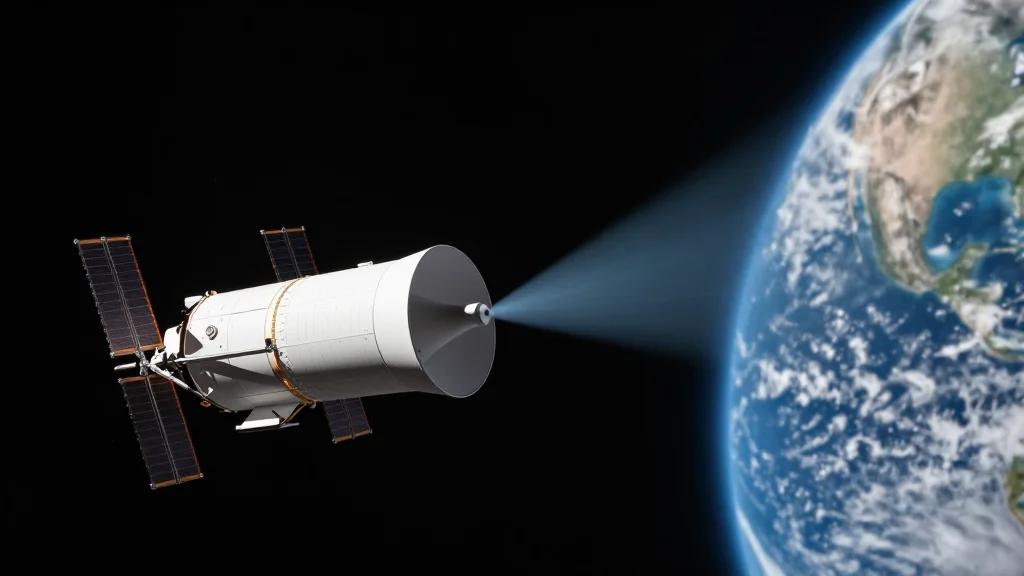
SpaceX Secures EchoStar’s $17 B Spectrum to Power Next‑Gen Starlink Direct‑to‑Cell

Companies Mentioned
Why It Matters
The acquisition reshapes the competitive dynamics of the satellite broadband market. EchoStar’s exit from its own LEO ambitions clears the field for SpaceX to become the primary provider of S‑band capacity, giving it a decisive edge over rivals still seeking spectrum. For consumers, the deal promises faster, more reliable mobile broadband in regions where terrestrial networks are sparse, potentially narrowing the digital divide. Regulatory scrutiny will test the FCC’s willingness to approve large‑scale spectrum transfers to a single commercial entity. Approval could set a precedent for future mega‑deals, influencing how spectrum is allocated among emerging satellite operators and traditional telecoms. The $2 billion debt‑service commitment also ties EchoStar’s financial health to SpaceX’s performance, creating a new interdependency in the industry’s financial ecosystem.
Key Takeaways
- •SpaceX buys EchoStar’s AWS‑4 and H‑block spectrum for $17 billion (half cash, half stock)
- •Deal adds 50 MHz of exclusive S‑band spectrum and global MSS licenses
- •SpaceX aims for 20 × throughput and 100 × capacity increase with next‑gen Starlink Direct‑to‑Cell
- •Agreement includes $2 billion of cash interest payments on EchoStar debt through 2027
- •EchoStar terminates $1.3 billion MDA Space satellite contract, signaling exit from its own LEO plans
Pulse Analysis
SpaceX’s $17 billion spectrum purchase is more than a financial transaction; it’s a strategic maneuver that consolidates the company’s foothold in the emerging satellite‑to‑cell market. By locking down 50 MHz of S‑band, SpaceX sidesteps the fragmented spectrum landscape that has hampered competitors, allowing it to design satellites that fully exploit the bandwidth for higher data rates and massive device density. This vertical integration mirrors the approach of terrestrial telecoms that own both spectrum and network infrastructure, giving SpaceX a cost‑advantage and operational flexibility that rivals will struggle to match.
EchoStar’s pivot away from its own LEO constellation reflects a broader industry trend where legacy satellite operators are monetizing assets rather than building new fleets. The $2 billion debt‑service clause ties EchoStar’s financial future to SpaceX’s success, effectively turning a former competitor into a creditor. This could accelerate consolidation, as smaller players may seek similar exits to avoid the capital‑intensive race to launch thousands of satellites.
Regulatory approval will be the litmus test. The FCC’s decision will signal whether it views spectrum concentration as a threat to competition or a pragmatic step toward faster broadband rollout. If approved, the deal could spur a wave of similar mega‑transactions, reshaping the market’s structure and potentially prompting antitrust reviews. For investors, the transaction underscores SpaceX’s ability to leverage its soaring valuation to acquire critical assets, reinforcing its position as the dominant force in commercial LEO services for the next decade.
SpaceX Secures EchoStar’s $17 B Spectrum to Power Next‑Gen Starlink Direct‑to‑Cell
Comments
Want to join the conversation?
Loading comments...