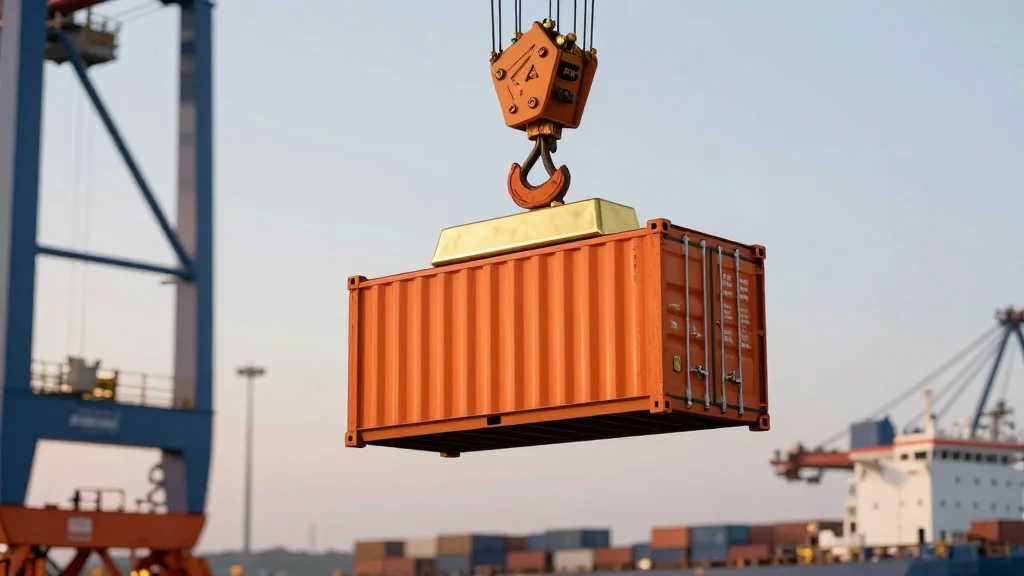
Supply‑Chain Strain Fuels Inflation Surge as Freight Costs Climb

Why It Matters
Supply‑chain bottlenecks are a primary driver of the current inflation surge. When freight costs rise, manufacturers pass higher logistics expenses onto wholesalers, which then filter through to consumers. In emerging markets like India, the strain is amplified by currency depreciation and capital outflows, threatening fiscal stability. In advanced economies, policy interventions such as energy‑price caps aim to shield households but also increase fiscal burdens, highlighting the trade‑off between immediate relief and longer‑term fiscal health. If unchecked, persistent freight‑rate inflation could entrench higher price expectations, prompting central banks to tighten monetary policy sooner than planned. This would raise borrowing costs for businesses, potentially slowing investment in logistics infrastructure and exacerbating the supply‑chain loop. Conversely, effective policy coordination—combining targeted subsidies, price caps, and strategic reserves—could dampen the inflation feedback and restore smoother flow of goods across borders.
Key Takeaways
- •India’s wholesale inflation rose to 8.3% in April 2026, the highest since October 2022
- •Luxembourg’s energy‑price cap package costs €450 million over two years
- •RBI kept the repo rate at 5.25% on June 5, 2026, citing inflationary pressures from fuel and power
- •Freight‑rate spikes are identified as a key transmission channel for global price pressures
- •Analysts warn the supply‑chain squeeze could trigger earlier monetary tightening worldwide
Pulse Analysis
The current supply‑chain shock mirrors the 2020‑21 pandemic surge, but the underlying drivers differ. Then, the bottleneck was primarily demand‑driven, as lockdowns halted production and logistics. Today, the stress stems from a confluence of geopolitical volatility in West Asia, a weakening rupee, and structural mismatches in energy markets. The Indian case underscores how macro‑financial vulnerabilities—capital outflows and currency depreciation—can amplify commodity‑price shocks, turning a temporary freight‑rate spike into a broader inflationary episode.
Europe’s response, epitomised by Luxembourg’s price‑cap agreement, reflects a shift toward fiscal tools to manage supply‑chain fallout. While such caps can blunt immediate consumer pain, they risk creating fiscal drag and may delay necessary market reforms in logistics and energy sourcing. The €450 million outlay, though modest relative to national budgets, signals a willingness to intervene directly in cost structures that were previously left to market forces.
Looking ahead, the decisive factor will be the speed at which alternative logistics pathways—such as diversified shipping routes, increased rail freight capacity, and strategic fuel reserves—can be scaled. If policymakers can mitigate freight‑rate volatility through infrastructure investment and coordinated trade policies, the inflationary feedback loop may be broken. Failure to do so could see central banks forced into tighter cycles, raising global financing costs and potentially stalling the post‑pandemic recovery momentum.
Supply‑Chain Strain Fuels Inflation Surge as Freight Costs Climb
Comments
Want to join the conversation?
Loading comments...